What Is the Best Detachable Container House from China?

Time:2026-09-18 Author:Oliver
0%

Choosing the best Detachable Container House from China requires more than comparing prices or attractive photographs. A reliable evaluation should examine materials, structural design, factory experience, delivery records, and after-sales support. The strongest manufacturers usually provide clear technical drawings, product specifications, inspection reports, and realistic installation guidance. These details matter when a unit must withstand heavy rain, strong sunlight, temperature changes, or repeated relocation.

A practical buyer should inspect the frame, wall panels, roof drainage, electrical system, and connection points. Galvanized steel framing can improve corrosion resistance, while insulated sandwich panels may support better indoor comfort. Door seals should close evenly. Floors should feel stable underfoot. Ask whether wiring follows the destination market’s requirements, because electrical expectations differ between countries. Container dimensions, loading methods, foundation needs, and crane access also affect the final cost.

Details reveal quality.

However, no single Chinese supplier is best for every project. A temporary site office, emergency accommodation unit, and permanent modular home require different standards. Some online claims may sound impressive but lack independent verification. That is where careful judgment is needed. Buyers should request recent project references, confirm production capacity, review warranty terms, and clarify who handles replacement parts. Even experienced purchasers can overlook local permits or transport limitations. A thoughtful comparison should therefore balance price, durability, customization, certification, delivery reliability, and communication. The best Detachable Container House is not simply the cheapest model; it is the option that performs safely and consistently in its intended location. Mistakes remain possible, so transparent documentation and pre-shipment inspection are valuable safeguards.
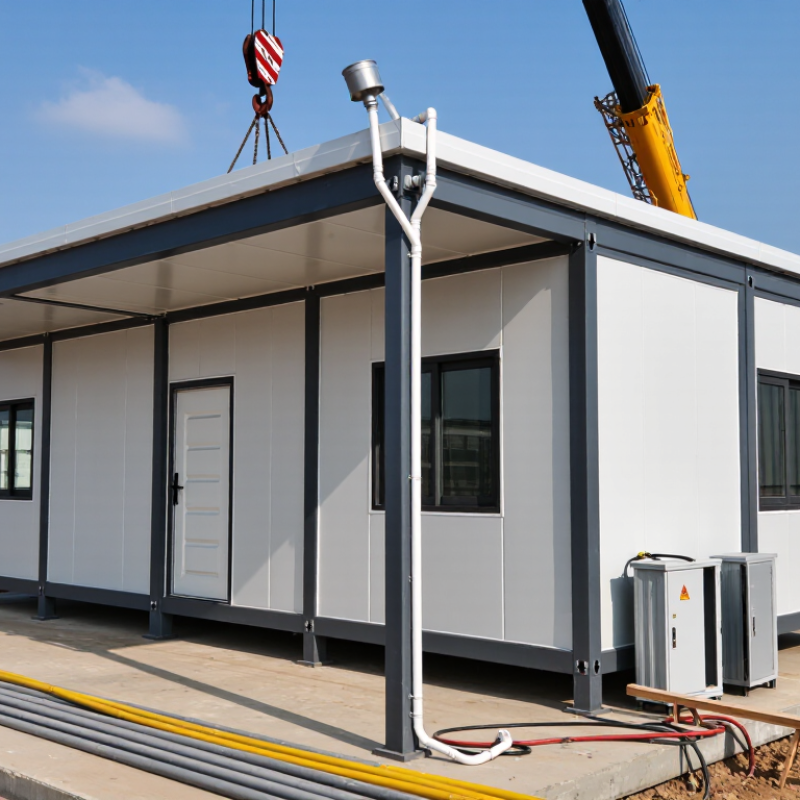
What Is the Best Detachable Container House from China?

What Is a Detachable Container House?

What Is a Detachable Container House?

A detachable container house is a prefabricated dwelling designed for quick assembly, removal, and relocation. Unlike a permanently welded container conversion, its walls, roof, floor, and steel frame usually connect with bolts or other reversible fittings. Workers can pack these parts into manageable units and rebuild the house elsewhere.

Its shape may follow familiar 20-foot or 40-foot container dimensions, which align with widely used ISO freight standards. However, it is not simply a shipping container with windows. A proper detachable model needs insulation, ventilation, drainage, electrical protection, and a stable foundation. McKinsey & Company’s 2019 modular construction analysis reported that modular methods could shorten project schedules by 20–50% and reduce costs by up to 20%. These figures support the concept, but they are not guaranteed. Transport distance, site access, climate, and local engineering requirements can change the result. In my experience, small design mistakes often appear around joints, doors, and bathroom connections.

Tips: Ask for a structural drawing, material specifications, and assembly records. Check whether panels can be replaced individually. Also inspect thermal performance, not only the exterior finish. A detachable house is not automatically sustainable; frequent transport may increase emissions. Reuse, repairability, and long service life matter more than a portable appearance.

How Are Detachable Container Houses Designed and Built?

The best detachable container house from China begins with practical design, not attractive drawings. Engineers usually plan a steel frame with bolted connections, replaceable wall panels, and reinforced lifting points. Standard module sizes simplify transport and reduce installation time. However, a poor layout can waste space quickly. Door swings, furniture positions, and service routes need checking before fabrication.

Inside the factory, workers cut steel sections, weld the frame, and inspect critical joints. Floor panels receive insulation, wiring conduits, and moisture-resistant layers before wall panels are fixed. A reliable structure should include thermal insulation, fire-resistant materials, drainage paths, and secure electrical protection. Local engineers must review wind, snow, seismic, and fire requirements. Requirements differ between regions. Factory precision helps, but it does not replace site inspection.

At the project site, a level foundation is essential. Workers connect modules with bolts, seal roof joints, and test water drainage after rain. They also check doors, windows, circuits, and plumbing pressure. Small gaps matter. A tiny roof seal failure can damage insulation within one season. One practical weakness is often overlooked: repeated dismantling may wear connection points and seals. Designers should allow accessible replacements and record every installation change. Photos, material certificates, welding records, and inspection reports make the building easier to trust and maintain.

Which Features Define the Best Models from China?

What Is the Best Detachable Container House from China?

The best detachable container house is not simply the cheapest or lightest model. It should balance transport efficiency, structural safety, comfort, and repeated assembly. A galvanized steel frame, reinforced corner posts, and certified lifting points are essential. Bolted connections also matter because they support faster relocation and easier maintenance.

McKinsey’s 2019 report on modular construction found that factory-built projects can reduce schedules by 20–50% and costs by up to 20%. These gains depend on disciplined production, not optimistic brochures. Look for documented welding inspections, dimensional checks, insulation data, and waterproofing tests. China’s factory advantage can be significant, yet quality may vary between production lines. That is the uncomfortable part.

Tips: Check the roof drainage after simulated heavy rain. Ask for thermal-transmittance values, fire-test documents, and corrosion protection details. Confirm the folded or packed dimensions before ordering. A model that looks efficient may exceed local transport limits. Also, verify wind, snow, seismic, and electrical requirements with a qualified local engineer. The best design is adaptable. It is not universal.

How Do Chinese Suppliers Compare on Quality and Cost?

What Is the Best Detachable Container House from China?

Chinese suppliers often compete through factory efficiency, standardized steel frames, and large-scale purchasing. McKinsey’s report, Modular Construction: From Projects to Products, estimates that modular methods can reduce construction time by 20–50% and costs by about 20%. These figures are useful benchmarks, not guarantees. A low quotation may exclude insulation upgrades, transport, foundations, wiring, or local installation.

Quality varies more than many buyers expect. During supplier inspections, check weld continuity, steel thickness, galvanization, roof drainage, and door alignment. Ask for test reports covering fire resistance, thermal performance, and electrical safety. China’s Ministry of Housing and Urban-Rural Development has reported that prefabricated buildings account for roughly one-quarter of new construction activity in recent national statistics. This growing experience supports better production control, but factory maturity still differs.

Look closely at the wall panel core. Mineral wool usually offers stronger fire performance, while low-cost foam panels may reduce the initial price. The cheaper option can perform poorly in humid or cold regions. Site visits help. So do sample assemblies. In my experience, a supplier with clear drawings, traceable materials, and realistic delivery terms is often safer than the lowest bidder. I would still allow a contingency budget. Hidden costs remain common.

How Can Buyers Choose and Import the Right Model?

Choosing the best detachable container house from China starts with the project, not the catalog. Define the intended use, local climate, site access, and expected service life. A mountain site may require stronger insulation and wind resistance. A coastal location needs careful corrosion protection. Measure the delivery route too. A beautiful unit is useless if a narrow gate blocks installation.

Buyers should request complete technical documents before paying a deposit. Check floor plans, steel thickness, insulation materials, electrical layouts, fire ratings, and plumbing details. Ask which tests support these claims. Confirm whether the design can meet local building and safety requirements. Product photos are not enough. Request videos of folding, packing, loading, and on-site assembly. Small details matter, including door seals, drainage slopes, window hardware, and replacement parts.

Import planning needs equal attention. Compare the quoted price with packaging, inland transport, port charges, insurance, customs duties, and installation equipment. Clarify delivery terms in writing. An independent pre-shipment inspection can identify damaged panels or missing fittings. It is also wise to approve a sample room before ordering many units. I have learned that buyers often focus on appearance and underestimate after-sales support. That mistake can become expensive. No model is perfect. Some units save space but require more assembly time; others offer comfort but cost more to transport. A reliable choice balances performance, documentation, logistics, and realistic expectations.

FAQS

What is a detachable container house?

It is a prefabricated dwelling designed for quick assembly, removal, and relocation. Its walls, roof, floor, and frame usually connect with bolts. It is not merely a shipping container with windows.

How is a detachable house different from a permanent container conversion?

A detachable model uses reversible fittings instead of permanent welded connections. Workers can separate the structure into manageable sections. That sounds simple, but joints can still cause problems.

Which materials and structural features should buyers inspect?

Look for galvanized steel frames, reinforced corner posts, and certified lifting points. Bolted connections support relocation and easier maintenance. Ask for structural drawings and material specifications.

What comfort systems should a suitable model include?

Essential systems include insulation, ventilation, drainage, and protected electrical wiring. Check thermal-transmittance values, not only the painted exterior. A shiny wall proves little.

Can these houses reduce construction time and cost?

Factory production may shorten schedules by 20–50% in suitable projects. Some studies also report cost reductions of up to 20%. These figures are not guaranteed.

What tests and documents should buyers request?

Request welding inspections, dimensional checks, insulation data, and waterproofing records. Ask for fire-test documents and corrosion-protection details. Documentation is easy to overlook.

Can a detachable house be moved anywhere?

No. Transport limits depend on packed dimensions, road access, and local regulations. Confirm the folded size before ordering. A compact design may still exceed transport limits.

How can buyers evaluate weather and site performance?

Ask a qualified local engineer to review wind, snow, seismic, and electrical requirements. Inspect roof drainage after simulated heavy rain. Small bathroom connections often deserve extra attention.

Is a detachable house automatically sustainable?

No. Frequent transportation can increase emissions and reduce environmental benefits. Long service life, repairability, and component reuse matter more. Portability alone is not sustainability.

Conclusion

A Detachable Container House is a modular building designed for quick assembly, disassembly, transportation, and reuse. Unlike permanent construction, its structural panels, frame, roof, flooring, and utility connections can be separated and relocated with relatively little site work. The best designs combine practical space planning with strong steel frames, durable insulated panels, weather-resistant finishes, safe electrical systems, and efficient ventilation. They may be configured as homes, offices, classrooms, accommodation units, or temporary facilities, depending on project requirements.

Chinese suppliers offer a wide range of models, often balancing standardized production, flexible customization, and competitive costs. However, buyers should compare more than the initial price. They need to review material specifications, load capacity, insulation performance, manufacturing quality, installation guidance, warranty terms, and after-sales support. Before importing, buyers should confirm dimensions, local building requirements, shipping conditions, documentation, taxes, and delivery responsibilities. The right choice is a model that matches the intended use, climate, budget, transport limitations, and required service life.


Oliver

Oliver

Oliver is a seasoned marketing professional with a wealth of expertise in driving brand awareness and engagement. With a deep understanding of our company's product offerings, he consistently delivers high-quality content that enriches our professional blog. His insights not only shed light on......