In recent years, Mobile Container Houses have gained immense popularity for their versatility and innovative designs. These structures offer a unique solution for various projects, from residential homes to pop-up businesses. The appeal lies in their affordability and sustainability, making them an attractive option for many.
However, selecting the best Mobile Container House for your needs can be challenging. Factors such as size, insulation, and layout matter significantly. Each project has unique requirements, and not every container house will suit your vision. It's essential to explore different designs and configurations before making a decision.
As you delve into the options available, consider both aesthetic and functional elements. Mobile Container Houses can serve multiple purposes, but they often require creative solutions to optimize space. Reflect on what your priorities are. Do you value modern design or energy efficiency? Understanding your needs will ensure the best outcomes for your next project.
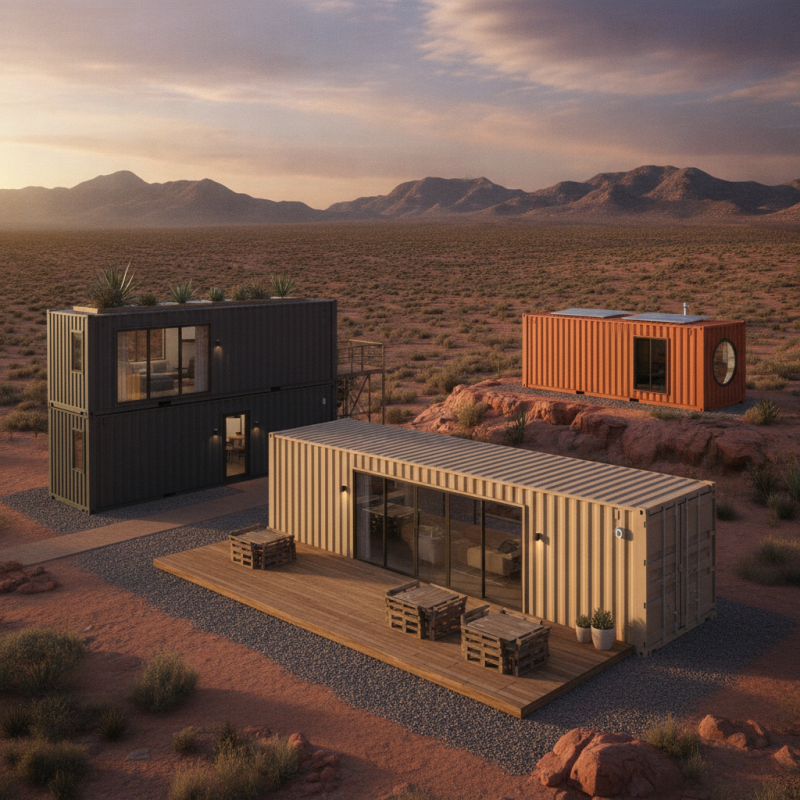
Overview of Mobile Container Houses and Their Benefits
Mobile container houses are transforming how we think about living spaces. These structures are versatile, affordable, and can be customized to suit various needs. With their modular design, they can be easily transported and installed in different locations. This flexibility makes them ideal for remote work sites or temporary housing solutions.
The benefits of mobile container houses are numerous. They promote sustainability by repurposing steel containers, which reduces waste. Additionally, they can be energy-efficient with the right insulation and renewable energy options. Their durability is another advantage; they withstand harsh weather better than traditional homes. However, there are challenges. Some may find them less spacious or aesthetically pleasing compared to conventional houses. This can impact their acceptance in certain communities.
Designing a comfortable mobile container home requires creativity. There’s often a limited amount of space, making it essential to utilize every corner wisely. Challenges can arise when plumbing and electrical systems are added. Ensuring proper ventilation can also be tricky. Many people overlook these aspects, leading to suboptimal living conditions. It's crucial to plan meticulously and think about future needs.
Key Features to Consider When Choosing Mobile Container Solutions
When considering mobile container house solutions, several key features play a crucial role. One important aspect is insulation. Proper insulation ensures energy efficiency and temperature control. Without adequate insulation, a container can become too hot or cold. This may lead to discomfort and higher energy costs over time.
Another consideration is layout flexibility. Different projects may require unique designs. Ensuring the containers can be easily modified is necessary. This flexibility allows you to create the ideal space, whether for housing, office use, or temporary structures.
Lastly, think about transportation ease. Mobile houses need to be portable, allowing for easy relocation. Poor design can make moving difficult. Inspect the dimensions and weight limits first. Reflect on how the container will be moved from one site to another. Planning these features carefully can save headaches later on.
Mobile Container House Solutions: Key Features Comparison
Popular Designs and Layouts for Mobile Container Homes
Mobile container homes have gained popularity for their versatility and efficiency. These homes can be customized to fit various needs, from single-unit designs to larger complexes. According to a recent industry report, around 70% of new builds in the housing sector are exploring alternative construction methods, like container homes.
When designing mobile container homes, consider the layout. An open floor plan maximizes space and light. Integrating large windows can enhance the ambiance. Utilizing multi-functional furniture can also save space, creating a cozy living area. Stackable designs allow for creative vertical solutions.
However, challenges arise in insulation and temperature control. Proper planning and material choice are essential.
Tips:
- Explore modular designs to expand or reduce space needs.
- Prioritize sustainable materials.
- Research local building regulations to ensure compliance.
- Stay open to modifications to improve functionality.
- Balancing aesthetics with practicality is key in mobile container setups.
- Always reflect on your lifestyle needs for optimal design.
Sustainable Practices in Mobile Container House Construction
Mobile container houses represent a sustainable construction trend. These structures utilize repurposed shipping containers, minimizing waste. Designers can enhance energy efficiency while reducing their carbon footprint. However, the process may not be without challenges. Some containers can be difficult to modify due to their structural integrity.
Integrating green technologies is essential. Solar panels are a popular choice. They reduce reliance on fossil fuels. Rainwater harvesting systems can also be beneficial, capturing and reusing water, which conserves resources. However, ensuring local climate compatibility is crucial. Choose materials and systems that fit the environment.
Tips for sustainability include optimizing the container's orientation. Position windows for natural light. This reduces the need for artificial lighting. Consider using insulation made from recycled materials; it helps maintain a comfortable indoor climate. Reflect on the lifecycle of materials used in the build. Sustainable choices will yield long-term benefits. Balancing these elements can lead to innovative solutions.
Comparative Analysis of Top Mobile Container House Manufacturers
Mobile container houses are gaining traction due to their versatility and efficiency. A recent industry report highlights a market growth rate of 6.3% annually, indicating rising interest in these eco-friendly solutions. Various manufacturers now offer unique designs and configurations tailored to different needs. Evaluating their offerings reveals significant differences.
Some manufacturers focus on durability and customization. They provide robust structures capable of withstanding extreme weather. However, not all options prioritize sustainability. Some materials used can impact long-term environmental goals. It's crucial to assess the trade-offs between quality and ecological impact. Clients often report challenges, like delivery times and assembly complexity, which can delay timelines.
On the pricing front, a comparative analysis shows a wide range. Some containers can cost as low as $1,500, while high-end models may exceed $30,000. This disparity often stems from features like insulation and design complexity. Potential buyers should carefully consider long-term costs alongside initial investments. Ultimately, the decision should balance quality, sustainability, and budget constraints. Understanding these dynamics can lead to better choices for future projects.
Best Mobile Container House Solutions for Your Next Project?
| Manufacturer |
Model |
Dimensions (ft) |
Weight (lb) |
Price ($) |
Material Type |
Energy Efficiency Rating |
| N/A |
EcoHome |
20 x 8 |
4000 |
20,000 |
Steel |
A |
| N/A |
FlexiSpace |
40 x 8 |
8000 |
35,000 |
Aluminum |
B |
| N/A |
QuickBuild |
30 x 10 |
6000 |
25,000 |
Corten Steel |
A+ |
| N/A |
Container Living |
24 x 8 |
4500 |
22,000 |
Recycled Steel |
B+ |
| N/A |
Modular Homes |
12 x 8 |
3000 |
18,000 |
Wood |
A |
FAQS
: They are made from repurposed shipping containers. This minimizes waste effectively.
They utilize reused materials, enhancing energy efficiency and reducing the carbon footprint.
Solar panels and rainwater harvesting systems are popular choices for sustainability.
Local climate influences material choices and overall system effectiveness.
They help maintain a comfortable indoor climate and support sustainability goals.
Some containers are difficult to modify due to their structural integrity, complicating design.
Optimizing window placement allows for natural light, reducing the need for artificial lighting.
Prices vary widely due to features like insulation and design complexity.
Clients report delays, which can affect project timelines and planning.
Evaluate durability, sustainability, and potential long-term costs alongside initial investments.
Conclusion
Mobile Container Houses are becoming increasingly popular for various projects due to their flexibility, cost-effectiveness, and sustainability. These structures offer numerous benefits, such as mobility, quick installation, and adaptability to different environments. When choosing a Mobile Container House, key features to consider include insulation, ventilation, and overall design to ensure comfort and functionality.
Additionally, various popular designs and layouts cater to diverse needs, making Mobile Container Houses suitable for everything from temporary housing to permanent residences. With a focus on sustainable practices in construction, these homes often incorporate recycled materials and energy-efficient systems. A comparative analysis of top manufacturers can help future buyers make informed decisions, ensuring they select a solution that meets their specific requirements and aligns with eco-friendly principles.

 ZHONGHUI HOLDINGS