In today's world, the need for affordable living solutions is more pressing than ever. Portable housing units are emerging as a viable option for many. They offer flexibility and can be placed in various locations. These units cater to individuals seeking cost-effective housing alternatives.
Portable housing units come in many shapes and sizes. Some are designed for short-term use, while others serve long-term needs. These homes can be surprisingly comfortable, with innovative designs allowing for efficient use of space. However, they may lack some traditional comforts. This trade-off requires careful consideration.
Despite their benefits, portable housing units are not without challenges. The initial investment can be high for some. Also, zoning regulations might complicate placement. While they promise affordable living, we must reflect on accessibility and sustainability. By scrutinizing these aspects, we can better understand the role of portable housing units in our future.
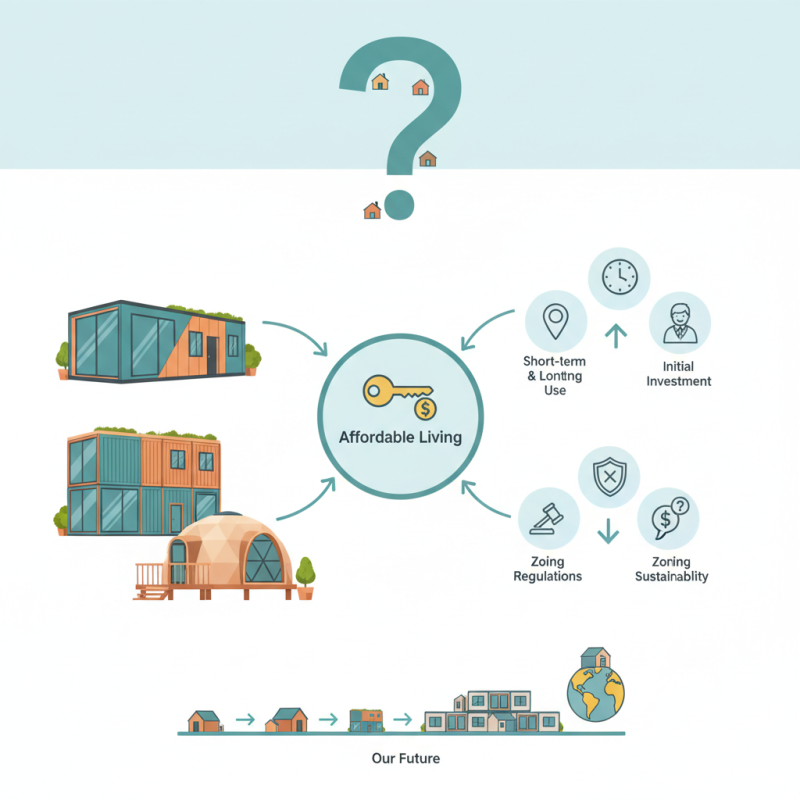
Best Portable Housing Units for Affordable Living Solutions
Portable housing units are gaining popularity as affordable living solutions. They offer flexibility and cost-effectiveness. Many people seek alternative living spaces due to high real estate prices. These units can be mobile, allowing residents to relocate easily. They come in various styles, from tiny homes to modular designs.
Tips: Consider your space needs. Make sure to choose a unit that fits your lifestyle. A small space can feel cramped quickly. Also, think about insulation and heating methods. It’s vital to ensure comfort year-round.
Some units can be customized, providing a personal touch. However, remember that customization can increase costs. Finding balance is key. Not every feature is essential. Research local regulations too. Not all areas allow portable homes. Being informed can save you headaches later.
Overview of Portable Housing Units and Their Benefits
Portable housing units are gaining popularity as affordable living solutions. They offer flexibility and convenience, appealing to various lifestyles. These units come in various designs, from tiny homes to modular units. They are easy to transport and can be set up in different locations. For individuals seeking mobility, this can be a game-changer.
One significant benefit of portable housing is cost-effectiveness. Compared to traditional homes, these units often require a lower initial investment. However, buyers must consider the long-term implications, such as maintenance costs. Some designs might compromise space, leading to challenges in storage and comfort. It's crucial to find a balance between price and livability.
Additionally, the environmental impact of portable housing should not be overlooked. They typically have a smaller footprint, which can lower energy consumption. Still, more sustainable options are available. Ensuring you make informed choices is essential. As with any form of housing, reflecting on your needs and preferences is vital. These units can indeed transform living arrangements, but careful consideration is necessary.
Types of Portable Housing Units: Overview and Comparison
Portable housing units have emerged as affordable living solutions for many. They come in various forms, each catering to different needs. Tiny homes are compact and versatile. They suit minimalists and those seeking mobility. Shipping container homes offer sturdiness and sustainability. These units can be stacked and modified for unique living spaces. Modular homes provide flexibility, allowing quick construction and customization.
When selecting a portable housing unit, consider your lifestyle. Think about size and layout. Some may feel cramped in a tiny home. Shipping containers can be expensive to convert but offer benefits. Always inspect materials and durability. Check insulation, especially in colder climates. Tips: Be aware of zoning laws. Not all areas permit mobile units.
Another option is yurts, which are eco-friendly and promote a connection with nature. They offer a spacious feel and can be quite beautiful. However, maintenance can be an issue. Canvas materials wear over time. Research local climate impacts on these designs. Avoid making rushed decisions based solely on appearances. Comfort and practicality should come first.
Best Portable Housing Units for Affordable Living Solutions
Key Features to Consider When Choosing Portable Housing
When choosing portable housing units, several key features come into play.
Space efficiency is crucial. Many people need a compact living area that maximizes comfort.
According to a recent report, 45% of buyers prioritize multi-functional designs.
These can include foldable furniture and modular layouts, ideal for maximizing limited space.
Durability is another essential factor. Portable housing should withstand harsh weather conditions.
A study found that 60% of users faced issues with low-quality materials, leading to potential leaks and wear.
Selecting materials that are weatherproof and resilient is vital. Prices vary widely, but investing in higher-quality units pays off long-term.
Tip: Assess your specific needs before buying. Consider who will live in the unit and how much space is truly necessary.
Energy efficiency is increasingly popular. Many units now include solar panels and energy-efficient appliances.
A report indicated that energy-efficient homes can reduce utility costs by up to 30%. This makes them
an attractive option for affordable living.
Tip: Look for units with good insulation. This can save money and enhance comfort.
Remember, while affordability is key, quality should not be compromised.
Reflect on what features matter most to you. Finding the right balance can lead to a satisfying living experience in portable housing.
Cost Analysis: Budgeting for Portable Housing Solutions
When considering affordable portable housing solutions, budgeting is key. Recent industry reports indicate that the average cost for these units ranges from $10,000 to $40,000, depending on size and features. This broad range can be daunting, yet it also highlights the flexibility in options available to potential buyers.
Housing costs can vary significantly based on location. Research shows that portable units often provide a more economical alternative when compared to traditional housing. They require lower maintenance costs and significantly reduced energy bills. However, the initial investment might still be a hurdle for some. Many people underestimate additional costs, such as land leases or utility hookups. These expenses can add up quickly, sometimes equating to thousands of dollars.
Tip: Always conduct a thorough cost analysis before purchasing. Consider not just the price of the unit, but the hidden costs associated with setting it up.
Another point to consider is resale value. Some models retain their worth better than others, and buyers should research this aspect. It’s essential to reflect on whether your investment will serve your long-term needs. For instance, consider how your housing solution fits into your lifestyle and future plans.
Tip: Think long-term. Portable housing should align with your long-term financial goals and living situation.
Real-Life Examples of Portable Living: Success Stories and Challenges
Portable housing units have emerged as innovative solutions for affordable living. Many people have embraced this lifestyle, finding both successes and challenges. One family successfully transitioned into a compact unit after downsizing. They enjoy a minimalist lifestyle, but space is often tight. With limited room for belongings, they learn to prioritize. They have adapted, using creative storage solutions to maximize functionality.
Another group of individuals faced hurdles when living in portable units. Weather conditions presented a major challenge. Extreme heat or cold can make these units uncomfortable. Many reported needing additional insulation and heating. Some also struggled with local regulations regarding portable housing. This led to temporary relocations and added stress. Their journey highlights the importance of planning and adaptability in portable living.
FAQS
: They are flexible living spaces that can be mobile. Options include tiny homes and modular designs.
They offer cost-effectiveness and adaptability, appealing to people facing high real estate prices.
Think about your space needs and insulation. A small space may feel cramped if not well-planned.
Yes, but custom features can increase costs. It's important to find a balance between desire and budget.
Additional expenses can include land leases, utility hookups, and maintenance. These can significantly add up.
Housing costs can vary by location. Portable units are often more economical alternatives to traditional homes.
Average costs range from $10,000 to $40,000 depending on size and features.
Research options that offer lower energy use and a smaller environmental footprint.
Consider your long-term needs and whether the unit fits your lifestyle and future plans.
Yes, some models retain value better than others. Research this before making a purchase decision.
Conclusion
Portable Housing Units are gaining popularity as an affordable living solution, offering flexibility and practicality for various needs. These units come in different types, from tiny homes to mobile trailers, each with unique features and benefits that cater to diverse lifestyles. When selecting a portable housing unit, important factors to consider include size, durability, insulation, and amenities that suit individual needs.
A detailed cost analysis helps potential buyers budget effectively for their portable housing solutions, ensuring they find an option that fits their financial goals. Real-life examples highlight the success stories of individuals and families who have embraced portable living, showcasing both the challenges and the rewards associated with this innovative housing trend.

 ZHONGHUI HOLDINGS