Choosing a Single Container House can be a complex decision. Experts in the field, like architect Sarah Johnson, emphasize, “The right design impacts your living experience.” With various styles and functionalities available, it's crucial to match your needs with the right container.
The benefits of a Single Container House are numerous. They are eco-friendly and often budget-friendly. However, buyers must consider size, layout, and insulation carefully. Many overlook insulation, which can lead to uncomfortable temperatures. Think about your climate and lifestyle.
A Single Container House offers flexibility in design but requires thoughtful planning. Some designs may not maximize space efficiency. Reflect on what you truly need. Each decision shapes your living environment, making it essential to explore your options and consult professionals for the best outcome.
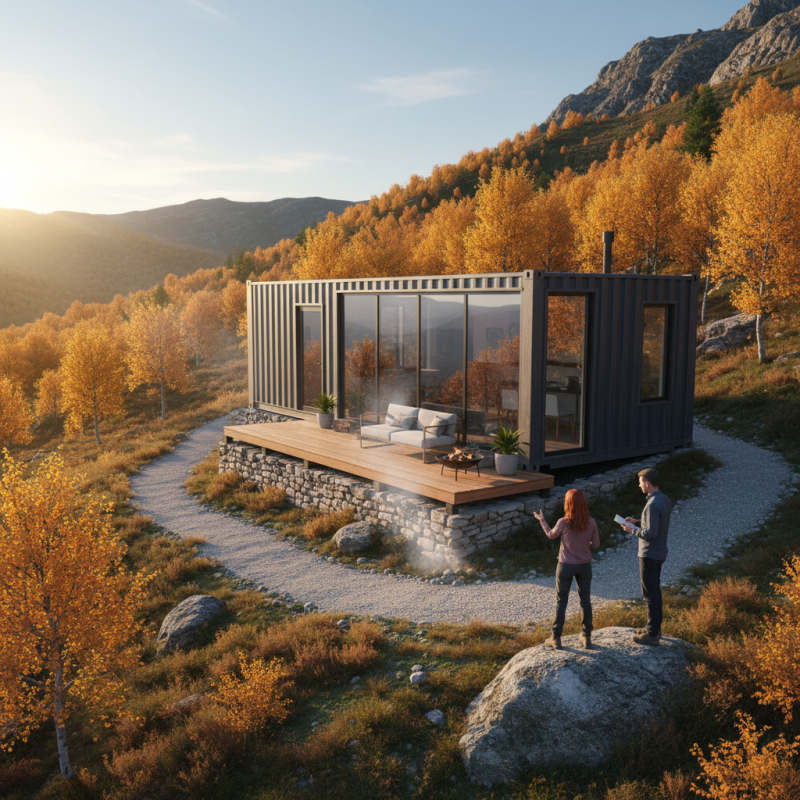
Choosing the right single container house starts with a deep understanding of your housing needs and preferences. Reflect on your lifestyle. Do you prefer a compact space or a larger area with separate rooms? Identify the essential features you desire. Consider space for hobbies or work. A well-planned layout can make a difference.
Think about your location. Will your container home be in a bustling city or a serene countryside? Each setting has its own requirements. For urban living, you may need better insulation and security features. In contrast, rural areas might require more sustainable solutions. Also, reflect on your social life. Will you host guests often? This can influence the design too.
Don't forget about future needs. Your circumstances might change, influencing your space requirements. A single container might feel perfect today, but think ahead. A little extra space can save you trouble later on. Evaluate your budget realistically, balancing quality with affordability. Each decision impacts your comfort and satisfaction down the road.
Single container houses have gained popularity for their versatility and eco-friendliness. These homes are often crafted from repurposed shipping containers, making them a sustainable choice. According to industry reports, the market for container homes is projected to grow by 23% annually through 2025. This growth reflects the increasing demand for affordable housing solutions.
There are various types of single container houses available. Some are minimalist, designed with basic living features. Others incorporate innovative designs with large windows and open spaces. According to a survey, 65% of homeowners prefer designs that maximize natural light. However, these designs can sometimes compromise privacy. It’s important to balance aesthetics with functionality when selecting a container home.
While many prefer the stylish appeal of container houses, not every model suits everyone’s needs. Some may lack insulation, leading to temperature fluctuations. Others might have limited space, making them unsuitable for larger families. Understanding these pros and cons is crucial. Conduct thorough research and consider your long-term living requirements before making a choice.
| House Type | Size (sq ft) | Price Range ($) | Features |
|---|---|---|---|
| Standard Container Home | 160 - 320 | 20,000 - 40,000 | Basic amenities, insulated, customizable |
| Luxury Container Home | 320 - 640 | 70,000 - 150,000 | High-end finishes, modern design, solar panels |
| Eco-Friendly Container Home | 160 - 400 | 30,000 - 60,000 | Recycled materials, energy-efficient, green roof |
| Mobile Container Home | 160 - 320 | 25,000 - 55,000 | Wheels, quick setup, versatile |
| Family Container House | 480 - 800 | 80,000 - 120,000 | Multiple rooms, larger kitchen, outdoor space |
Choosing the right location for your single container house is crucial. It can significantly impact your living experience. Start by assessing the site's topography. Flat land might be easy to build on, but sloped areas offer unique views. Think about sunlight exposure too. A south-facing site might allow for natural heating, while shaded spots could require additional energy sources.
Environmental factors play a key role in your decision. Consider the local climate. Areas with heavy snowfall need durable materials. Meanwhile, regions prone to flooding require elevated foundations. Evaluate the wildlife in your area. Encounters with insects or rodents can affect your comfort. Noise levels from nearby roads or industrial sites should also be considered.
Look into zoning regulations. Some areas may have strict guidelines for container houses. A site that seems perfect might not meet these requirements. Research local amenities as well. Access to shops, schools, and healthcare can enhance your quality of life. Balance your ideal location with practical needs to avoid future regrets.
When considering a single container house, budget plays a crucial role. The average cost of constructing a container home ranges from $10,000 to $35,000. Factors include size, location, and design complexity. According to a report by Container Home Society, costs can rise significantly with custom designs and high-quality materials. It's essential to outline all potential expenses, from land purchase to installation.
Budgeting can be complex. Unexpected costs often arise during construction. Industries experts suggest allocating an additional 15-20% for unforeseen issues such as permits and site preparation. Research reveals that many homeowners underestimate these costs, leading to financial strain.
Tips:
- Create a detailed budget sheet.
- Account for additional expenses.
- Seek advice from experienced builders.
Understanding financing options is equally important. Traditional loans may not be available for unconventional structures. Explore alternatives like personal loans or construction financing. Many lenders need to see a solid plan and proof of the container’s durability.
Remember, a container home might seem cost-effective at first. Yet, maintenance and potential upgrades can add to your overall expenditure. Evaluate your long-term needs and think critically about the investment.
When considering a single container house, understanding building regulations is crucial. Each area has unique codes dictating what can be built. Research these regulations early. You may find limitations on height, size, or even the materials used. Ignoring these rules can lead to costly changes or even demolition.
Engage with local building authorities. They can provide insights and specific requirements. Additionally, survey local providers. Look for those with experience in modular and container homes. Their expertise can guide you through local challenges and ensure adherence to codes. Experience matters, as regulations can vary significantly.
Tips: Always keep documentation handy. Take notes during conversations with authorities and providers. This practice helps in decision-making later. Consider reaching out to existing container homeowners for insights. Their experiences can reveal unexpected challenges and recommend reliable professionals. Reflecting on these aspects early helps ease the building process.
: They are created from repurposed shipping containers. This makes them eco-friendly.
The market is projected to grow by 23% annually through 2025. This shows rising demand.
While stylish designs attract, they might compromise privacy. Striking a balance is essential.
Assess the land's topography and sunlight exposure. This impacts natural heating and views.
Look at local climate and wildlife. Snow and flooding may require durable materials and elevation.
Regulations dictate size, height, and materials. Ignoring them can lead to costly alterations.
Survey local providers with experience in container homes. Their expertise helps navigate local codes.
Maintain notes from conversations with authorities and providers. This aids in future decision-making.
Their experiences can highlight unexpected challenges. They might recommend trustworthy professionals.
Some may lack insulation or space, making them unsuitable for larger families. Research reflects these concerns.
When choosing the best Single Container House for your needs, it's essential to start by understanding your housing requirements and personal preferences. Consider what amenities are necessary, the number of occupants, and your lifestyle. Next, explore the different types of Single Container Houses available, as they can vary in design and functionality.
Assessing the location and environmental factors is also crucial; this includes the climate, terrain, and proximity to resources. Additionally, evaluating your budget and overall cost considerations will help narrow down your options. Finally, researching providers and ensuring compliance with local building regulations will safeguard your investment and contribute to a smooth construction process. By following these steps, you'll be well-equipped to select a Single Container House that fits your needs perfectly.

ZHONGHUI HOLDINGS