The demand for prefab container houses has surged in recent years. According to a research report by Transparency Market Research, the global modular construction market is expected to reach USD 157 billion by 2023. This growth reflects the increasing preference for sustainable and affordable housing solutions. Prefab container houses are appealing for their versatility and reduced construction time. However, choosing the right one requires careful consideration.
Many buyers often overlook important factors. The design, size, and intended use of a prefab container house directly impact its functionality. It's essential to evaluate local zoning laws too, as regulations can vary significantly. Engaging with experienced professionals can help navigate these complexities.
Yet, many people make decisions based on aesthetic appeal alone. This can lead to regrettable choices down the line. A thorough assessment of structural integrity and insulation is crucial for long-term satisfaction. Knowledge of these elements will ensure that your prefab container house serves your needs effectively and sustainably.
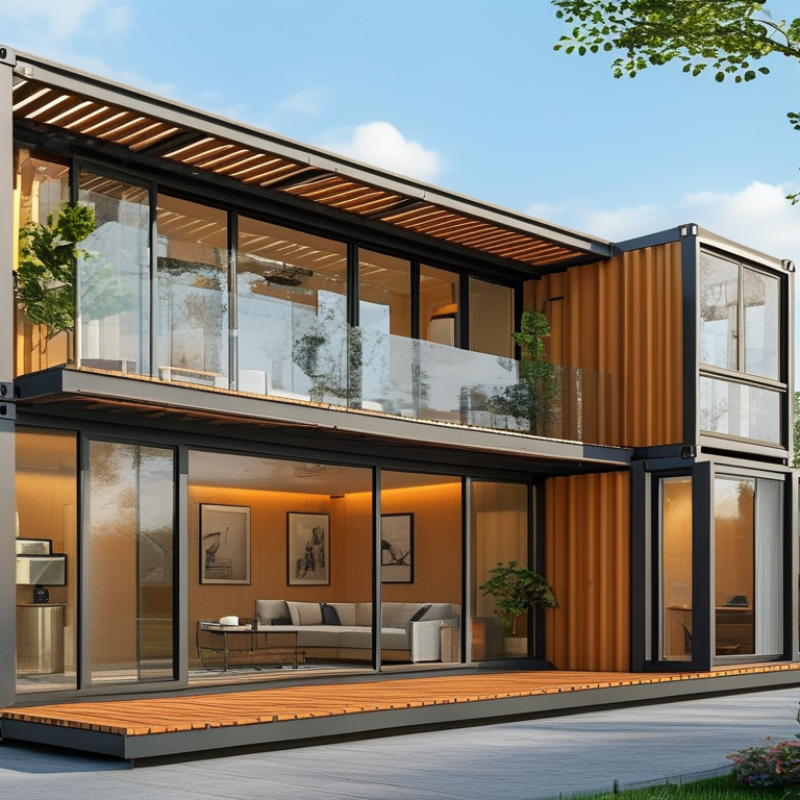
Choosing the right prefab container house involves understanding your unique needs and preferences. Begin by assessing your lifestyle. Do you need a spacious home office? Or perhaps a cozy retreat? These questions shape your decisions. The size and layout of the house is crucial. Think about how many rooms you require and the overall footprint you have for installation.
Next, consider your climate. Are you in a warm area or somewhere cold? Insulation becomes key in both cases. You want a container house that ensures comfort through all seasons. Look into energy-efficient options if you aim for sustainability. This can save costs and benefit the environment.
Also, reflect on your aesthetic preferences. Do you favor modern designs or more rustic styles? The exterior finishes and interior layouts can heavily influence your satisfaction. It’s essential to visualize how the house will fit in your environment. Remember that perfection is an illusion. Some features may need compromises. Scrutinize each option carefully, weighing pros and cons. This thoughtful approach helps you find a container house that truly feels like home.
When exploring prefab container houses, consider their types and designs carefully. Shipping container homes are growing in popularity. According to a recent report by Grand View Research, the global modular construction market is expected to reach USD 157 billion by 2025. The flexibility of container houses allows for various designs, from minimalist studios to multi-story units.
Many people are attracted to their eco-friendly features. However, potential buyers must also be aware of insulation needs and the impact of local climate. In regions with extreme temperatures, adequate insulation can be a challenge. It’s crucial to assess site conditions before making a decision. This includes zoning regulations, access to utilities, and the container's condition.
Prefabricated containers offer unique design opportunities. Customization options range from modern aesthetics to rustic finishes. Still, it’s important to reflect on personal needs. Open floor plans may work for some, while others may prefer defined spaces. Every choice influences comfort and functionality. Addressing these factors thoughtfully leads to a more satisfying living experience in a container home.
When evaluating the budget for a prefab container house, several key factors come into play. Material costs can vary significantly, depending on your choices. Steel, insulation, and finishing materials impact the final price. It’s essential to factor in transportation and installation costs too. Some prefab units may look affordable but higher shipping expenses can inflate the overall budget.
Maintenance is another crucial cost that often gets overlooked. Container houses require regular upkeep to prevent rust and damage. While these homes are designed to withstand harsh conditions, they still need attention and care. Look for options that demand less maintenance to save money in the long run.
You may feel tempted to compromise on quality to stay within budget. However, cheaper materials can lead to more significant problems later. Finding a balance is key. Invest in durable materials where it counts, even if it means adjusting your overall budget. Everyone wants a beautiful, budget-friendly home, but cheap choices can lead to regrets and increased costs later on. Pay attention to long-term value.
When choosing a prefab container house, assessing location and land requirements is crucial. The site’s geography impacts construction costs and feasibility. According to a recent industry report, nearly 30% of prefab projects face delays due to site-related issues. Therefore, conducting a thorough site analysis is essential.
Consider local zoning laws and land use regulations. Proper planning can prevent costly mistakes. For instance, regions with strict regulations may limit height or design options. Evaluating soil stability and drainage is also important. You need a solid foundation to ensure longevity.
Tip: Investigate nearby amenities, like schools and hospitals. Proximity boosts property value and enhances your living experience.
The land requirements for prefab houses can vary significantly. A typical container home occupies around 320 square feet. However, this can change based on your layout needs and local guidelines. Always verify that the land can accommodate utilities such as water and electricity.
Tip: Engage a local contractor to guide you through these factors. They provide insight into the unique challenges of your area. A well-informed decision can save time and resources in the long run.
| Criteria | Details | Considerations |
|---|---|---|
| Location | Identify local zoning laws and regulations | Ensure compliance with building codes |
| Type of Land | Flat, sloped, or irregularly shaped land | Assess foundation requirements based on land type |
| Utilities Access | Availability of water, electricity, and sewage | Consider off-grid options if utilities are unavailable |
| Climate | Temperature, humidity, and precipitation levels | Choose materials and insulation accordingly |
| Size Requirements | Desired living space and configuration | Plan for future expansions if needed |
| Budget | Overall costs including land, utility setup, and house | Factor in long-term maintenance costs |
| Environmental Impact | Assessment of ecological considerations | Aim for sustainable building practices |
When selecting a prefab container house, sustainability is a crucial factor. Many options prioritize eco-friendly materials and energy-efficient designs. Look for insulation that minimizes energy loss. This helps in maintaining comfortable indoor temperatures. Double-glazed windows also play a significant role in energy efficiency. They reduce heat transfer, making your home more comfortable year-round.
Solar panels are another vital feature. They can significantly cut energy costs over time. Consider houses with built-in solar options. These often come with optimized layouts for maximum sun exposure. Rainwater harvesting systems are also worth considering. They allow for sustainable water use, reducing dependency on municipal sources.
Choosing a prefab house with these features can be complex. Some homes may excel in one area but lack in another. Be mindful of your specific needs. Personalize your choices based on climate and local resources. A sustainable home should reflect both efficiency and your lifestyle.
: Prefab container houses come in various designs, including minimalist studios and multi-story units.
These homes are eco-friendly and offer unique design opportunities. Flexibility allows for personalization.
In extreme temperatures, effective insulation can be a challenge. This greatly affects comfort levels.
Site assessment is crucial. About 30% of prefab projects face delays due to site issues.
Local zoning laws dictate what can be built. They may restrict height and design options.
A typical container home occupies around 320 square feet, but requirements can vary.
Check for utilities like water and electricity availability before making a purchasing decision.
Consider personal preferences. Open plans may suit some, while others may prefer defined spaces.
Local contractors understand unique challenges. They can offer useful insights and save you time.
It’s important to reflect on insulation and design choices that impact overall satisfaction and comfort.
Choosing the right Prefab Container House involves a careful assessment of your specific needs and preferences, as these structures can vary greatly in design and functionality. Begin by understanding what size, layout, and amenities are essential for your lifestyle. Next, explore the diverse types and designs available, from minimalist styles to more complex configurations, ensuring they align with your vision of home.
Budgeting is another crucial factor; evaluate the costs associated with purchasing and customizing a Prefab Container House, including installation expenses. Additionally, consider the location and land requirements, as these will impact both logistics and zoning regulations. Lastly, prioritize sustainability and energy efficiency features, which can enhance your living experience while contributing positively to the environment. By addressing these elements, you can make an informed decision that best suits your preferences and circumstances.

ZHONGHUI HOLDINGS