Choosing the right Detachable Container House can be a daunting task. These innovative structures offer flexibility and sustainability, but not all options are suitable for everyone. According to industry expert David West, "The best detachable container house meets your specific needs while providing comfort and functionality."
When selecting a container house, consider your lifestyle and requirements. Do you need extra space for a home office, or perhaps a guest room? The design choices are vast, but quality varies. Look for durable materials and reliable construction to ensure longevity.
Remember, the perfect Detachable Container House isn't just about aesthetics. It's vital to assess factors like insulation, ventilation, and ease of transport. Each choice comes with its own set of challenges. Be prepared to reflect on your priorities and make informed decisions. Balancing personal needs with practicality is the key to finding the ideal solution.
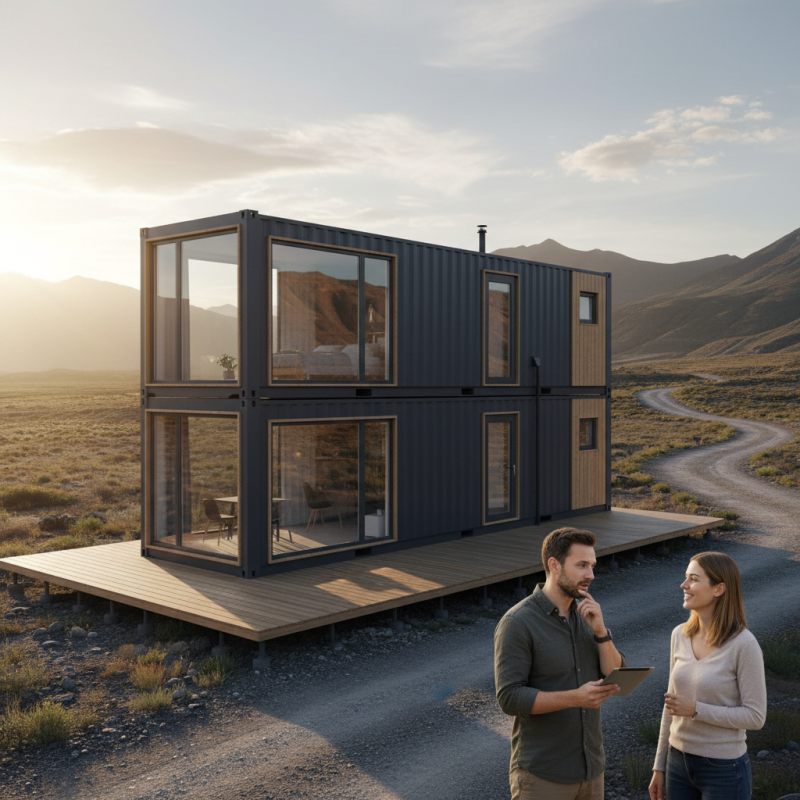
Factors to Consider When Selecting a Detachable Container House
When selecting a detachable container house, various factors come into play.
First, consider the design and layout. This choice affects how space will be utilized. A well-planned interior
maximizes functionality. Reports indicate that adaptable
spaces can increase livability by up to 30%. Think about how many rooms you need and how the layout
meets your lifestyle.
Material quality is another crucial aspect. Strong, durable materials
enhance longevity. Industry standards indicate that using high-quality insulation can lower energy costs by
approximately 20%. Be aware, though, that some designs may not offer
optimal insulation if chosen poorly.
Investigate the environmental impact as well. Some
containers might be repurposed, minimizing waste and reducing the ecological footprint.
Cost is often a major consideration too. The initial investment can
range widely. While cheaper options may seem attractive, they might lack durability. This can lead to more
expenses over time due to repairs. Keep in mind that while budget is essential, quality should not be sacrificed.
Balancing affordability with durability requires careful thought and analysis.
Understanding Different Types of Detachable Container Houses
When selecting a detachable container house, it’s vital to understand the various types available. Each design caters to different needs and preferences. For instance, some units are crafted for residential use, while others function as offices or temporary accommodations. According to a recent industry report, the global market for modular and container-based structures is expected to reach $73.4 billion by 2026, indicating a growing demand for versatile living spaces.
Residential detachable container houses typically feature insulation and utility connections. They offer comfort akin to traditional homes. In contrast, commercial units prioritize efficiency and can often be customized for various business needs. They often lack the high-end finishes of residential models. This disparity can raise questions about functionality versus aesthetics. Not all designs guarantee durability or energy efficiency, which requires careful consideration.
Additionally, one must be mindful of zoning regulations and site preparation costs. Some detachable homes may not meet local building codes, leading to compliance challenges. It’s essential to engage with professionals who understand these complexities. Failure to do so might result in costly modifications or delays. Choosing the right type of detached container house requires balancing personal needs and practical constraints, necessitating thorough research and reflection.
Assessing Your Space and Design Requirements
When choosing a detachable container house, assessing your space and design requirements is crucial. Start by measuring the area where you plan to place the unit. Consider the layout and any existing features, such as trees or fences. A well-planned site will enhance the container's integration into your environment.
Next, think about your design preferences. What style aligns with your vision? Modern, rustic, or minimalist? Sketching your ideas can help clarify your thoughts. Pay attention to the number of windows and doors, as they impact natural light and airflow. Functionality is essential, too. Consider how you’ll use the space. A home office, guest room, or studio will have different needs.
You might feel overwhelmed by options. It’s common to second-guess your choices. Reflect on your needs frequently, and don't rush the decision-making process. Make adjustments as you gather more information. Observing completed projects can inspire your design choices. Visit local demonstrations if available. Engaging with other enthusiasts can offer new perspectives and valuable insights. Explore different configurations before finalizing your design.
Evaluating Cost and Budget Constraints
When considering a detachable container house, understanding cost and budget constraints is critical. According to recent industry reports, the average cost for these structures can range from $15,000 to $50,000. This variability largely depends on size, materials, and customization options. It’s essential to evaluate how these factors align with your financial capabilities.
Many buyers underestimate the additional costs. Site preparation, permits, and utility connections each add to the total. For instance, preparing a site can cost anywhere from $1,000 to $5,000. Failing to account for these expenses can lead to budget overruns, which are regrettably common in this market. Financial planning should allow for at least a 10% buffer to accommodate potential unexpected costs.
Additionally, financing options may not always be straightforward. Some lenders view detachable container homes as unconventional, which could affect loan approvals and interest rates. Research on lending criteria and explore various financial options thoroughly. This may not be the ideal solution for everyone, prompting a reassessment of one's financial strategy and readiness for such an investment.
Identifying Functional Needs and Use Cases for Your Container House
When selecting a detachable container house, identifying practical needs is crucial. Survey data indicates that over 70% of users value flexibility and adaptability in their living or working spaces. Think about how you plan to use the container. Will it serve as an office, a guest house, or even a workshop? Understanding your primary use case helps narrow down options.
Space requirements are vital. For example, if you need a family home, a larger unit with multiple rooms is ideal. The average container size is 20 to 40 feet, accommodating various layouts. Studies show that nearly 50% of container users reported benefits from additional storage solutions. Consider what you need for storage to optimize your container home.
Another aspect to reflect on is local regulations. Zoning laws can vary greatly, affecting installation and use. It’s essential to verify these before making a decision. A container house may offer mobility, but it must also align with local codes. Realist insights suggest that buyers sometimes overlook site-specific challenges. Being aware of these factors from the outset can save time and resources.
FAQS
: Start with design and layout. This affects space utilization and overall livability.
High-quality materials enhance longevity. Poor insulation can lead to higher energy costs.
Yes, some are for residential use, while others serve as offices or temporary housing.
Initial investment varies widely; cheaper options may lead to more repairs over time.
Very important. Non-compliance can result in costly modifications or delays.
Options include modern, rustic, or minimalist. Personal preference plays a big role.
Measure the area and consider existing features like trees or fences.
Yes, professionals can help navigate compliance and design complexities.
The variety of options can lead to second-guessing. Take your time and reflect.
Visit completed projects or local demonstrations to observe potential ideas.
Conclusion
When it comes to selecting the best Detachable Container House for your needs, several key factors must be taken into account. First, it's essential to understand the various types of detachable container houses available, as they offer different features and designs suited for diverse requirements. Assessing your available space and design preferences is crucial to ensure that the container house fits seamlessly into your desired environment.
Additionally, evaluating your budget and cost constraints will help narrow down your options, making it easier to find a solution that meets your financial expectations. Lastly, identifying the functional needs and specific use cases for your detachable container house allows you to choose a design that aligns with your lifestyle, whether it's for residential living, office space, or temporary housing. By carefully considering these aspects, you can make a well-informed decision that satisfies your individual needs.

 ZHONGHUI HOLDINGS