How to Choose the Best Folding Container Office for Your Needs?

Time:2026-08-09 Author:Sienna
0%

In recent years, the demand for Folding Container Offices has surged. These versatile spaces offer flexibility and efficiency for various industries. According to a report by Grand View Research, the global portable office market is projected to reach $60 billion by 2028. This significant market growth underscores the importance of choosing the right folding container office to meet specific needs.

Industry expert, Dr. Max Schneider, notes, “A well-selected folding container office can drastically enhance productivity and workplace satisfaction.” His observation highlights the critical nature of selecting the appropriate model. With options available in various sizes and configurations, it’s essential to consider both functionality and aesthetics.

However, many buyers overlook details such as insulation and ergonomic design. These factors directly impact usability and employee comfort. Investing time in research can yield substantial benefits. As this market evolves, businesses must adapt their choices to maintain a competitive edge. Selecting the perfect folding container office is not just about space; it’s about creating an optimal environment for success.
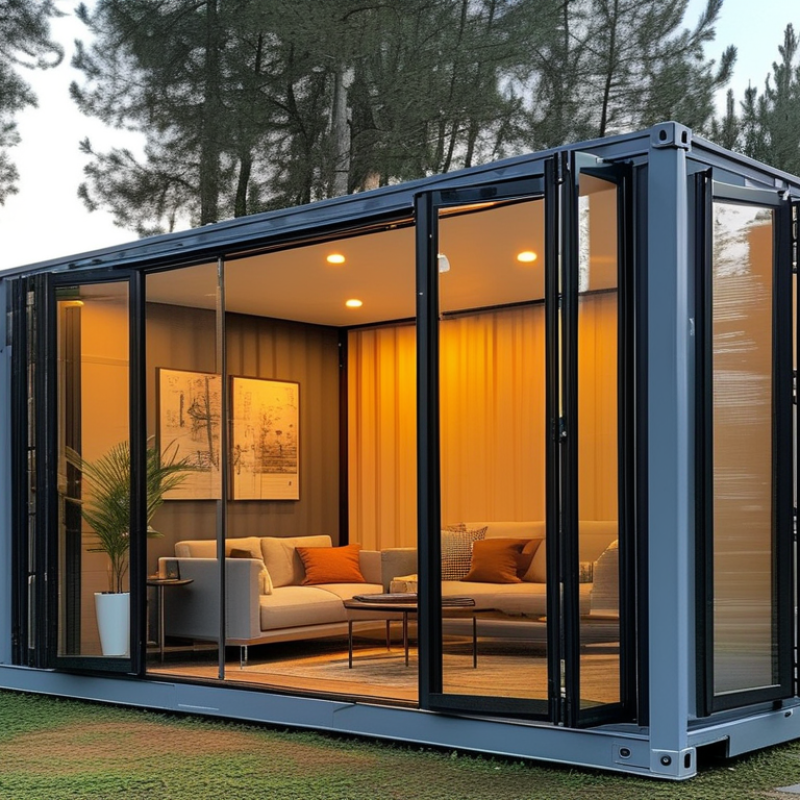
How to Choose the Best Folding Container Office for Your Needs?

Understanding the Basics of Folding Container Offices

Folding container offices are becoming popular for various work environments. They offer versatility and can be customized to meet different needs. Understanding their basics is crucial for making an informed choice.

Space and layout are key factors. Before you decide, measure your available area. Consider how many people will use the space. Think about furniture, equipment, and storage. Customization options can enhance usability. However, overthinking can lead to paralysis by analysis. Aim for a balance between functionality and comfort.

Tips: Always assess your priorities. Do you need mobile options? Determine your power and water supply needs. Remember that flexibility can increase costs, so weigh your options carefully. Evaluate if you really need additional features. Sometimes, simple solutions are more effective.

Assessing Your Space and Site Requirements

Choosing the best folding container office requires careful consideration of your space and site needs. Begin by assessing the dimensions of your available area. Measure your space accurately. This will help you visualize how the container can fit into your existing layout. Consider the flow of movement within the space. A well-placed container can enhance accessibility and improve work efficiency.

Next, evaluate the site conditions. Check the ground stability and drainage. An uneven surface can lead to complications later. If you're placing the unit outdoors, consider the exposure to sunlight and wind. Are there trees or structures nearby? They can cast shadows or create obstacles. Reflect on the local zoning regulations, too. Understanding these will prevent future headaches.

Lastly, remember to account for your specific needs. How many people will use the office? Will additional utilities, like electricity and water, be necessary? Define your requirements clearly before making a decision. A thorough assessment ensures the chosen folding container office will accommodate both your professional needs and site specifications effectively. This process may take time, but a well-thought-out approach leads to better outcomes.

Comparison of Folding Container Office Types Based on Size and Usability

Evaluating Materials and Construction Quality

When selecting a folding container office, materials and construction quality greatly impact durability and functionality. High-quality materials ensure your office withstands adverse weather and regular use. Look for container offices made from steel or aluminum, as these materials offer excellent strength and resistance to corrosion. Insulation is also crucial. Effective insulation keeps the temperature stable, enhancing comfort and productivity.

Tips: Examine the container's finishing. Smooth welds and sealed joints indicate better construction. Check for any signs of rust or damage. A well-constructed model will likely last longer and require fewer repairs.

Furthermore, consider the design elements. Windows and doors must be properly fitted to prevent leaks. Pay attention to the flooring; it should be sturdy yet easy to maintain. A good floor not only supports activities but also adds to the overall aesthetic.

Tips: Review user feedback for real-world insights. Look for comments on durability and comfort levels. Engaging with past users can reveal strengths and weaknesses you may not initially consider.

Identifying Your Budget and Cost Considerations

When selecting a folding container office, establishing a clear budget is essential. Think about your overall needs. Factor in the space required, necessary features, and any additional expenses. These might include transportation, installation, and maintenance costs. A well-defined budget helps narrow down options effectively.

Consider your priorities. Are you willing to spend more for durability? Or do you prefer a budget-friendly option with basic functionality? It's crucial to align your budget with your requirements. Often, cheaper options may lead to unexpected costs down the road. If the structure doesn't last, you might need to replace it sooner than expected. That can strain your finances in the long run.

Take time to research different configurations. Each type of folding container office has its strengths and weaknesses. Some offer better insulation but might cost more upfront. Analyze your priorities against these features. Investing in reliability may also save money over time. Reflect on whether a budget option will genuinely meet your needs.

Comparing Features and Customization Options

When selecting a folding container office, customization options play a crucial role. According to a recent industry report by the Modular Building Institute, approximately 62% of businesses value design flexibility. This means that choosing the right layout, size, and additional features can significantly impact functionality. Modular offices can include multiple configurations to meet specific business needs, from open layouts to private workspaces.

Tip: Consider your team's workflow and how space can enhance productivity. For example, if your team thrives on collaboration, an open design might be best.

Customization extends beyond basic design. Many companies want amenities such as energy-efficient heating, cooling systems, and insulation to optimize comfort. Research shows that energy-efficient buildings can reduce operational costs by up to 30%. However, not all options are necessary for every situation. Each feature should be assessed based on your location and climate.

Tip: Make a list of must-have features and compare them against your budget. The right balance here can lead to long-term satisfaction.

FAQS

: What are folding container offices?

: Folding container offices are versatile spaces customized for various work environments. They are portable and adaptable.

How do I ensure the space fits my needs?

Measure your available area accurately. Consider how many people will use the office and the furniture layout.

What site conditions should I check before placement?

Assess ground stability and drainage. Look for nearby trees or structures that may impact sunlight and accessibility.

Why is insulation important in folding container offices?

Proper insulation stabilizes temperature, enhancing comfort and productivity. Choose containers with effective insulation materials.

What materials should I look for in construction?

Steel or aluminum offer durability and corrosion resistance. Examine finishing details for quality indications, like smooth welds.

How can I ensure long-term functionality?

Check for sturdy flooring and properly fitted windows and doors. These elements prevent leaks and support daily activities.

What should I consider regarding additional features?

Assess your power and water supply needs carefully. Sometimes, keeping it simple is more effective and cost-efficient.

How can I gather insights on different models?

Review user feedback for durability and comfort insights. Engaging with past users reveals strengths and potential weaknesses.

What are common pitfalls when choosing a folding container office?

Overthinking features may lead to paralysis by analysis. It’s crucial to find a balance between functionality and comfort.

How important is site planning for container offices?

Thoughtful planning impacts work efficiency. Ensure your layout facilitates smooth movement and aligns with your operational requirements.

Conclusion

When considering a Folding Container Office, it’s essential to understand the fundamental aspects that influence your choice. Start by assessing your space and site requirements to ensure that the container will fit both physically and functionally in your intended location. Evaluating the materials and construction quality is crucial, as it affects durability and longevity. Additionally, identifying your budget and cost considerations will help narrow down your options without compromising on quality.

Furthermore, comparing features and customization options allows you to tailor the Folding Container Office to meet your specific needs. By paying attention to these factors, you can make an informed decision that aligns with your personal or business requirements, ensuring that your new workspace is both practical and effective.


Sienna

Sienna

Sienna is a skilled marketing professional with a deep expertise in our company’s core products and services. With a passion for innovation and detail, she plays a pivotal role in crafting insightful blog posts that not only highlight the unique features of our offerings but also provide valuable......