In recent years, Foldable Container Houses have emerged as a practical housing solution. These innovative structures offer mobility and versatility at an affordable price. Yet, many potential buyers remain unaware of the best practices in purchasing them. According to Dr. Emily Harper, a leading expert in sustainable architecture, “Foldable Container Houses represent a breakthrough in modern living.” This statement reflects the growing significance of these homes in today's housing market.
Finding a reliable supplier can be challenging. The demand for quality, affordable Foldable Container Houses has led to a surge in options, making choices overwhelming. Buyers often face misleading advertisements that showcase glamorous designs but fail to meet essential standards. It's crucial to research thoroughly and consider factors like durability and insulation when selecting a model.
Moreover, many people underestimate the importance of permits and local regulations. This oversight can lead to unexpected costs and delays. Being informed about zoning laws is vital for a successful purchase. Ultimately, the journey to acquiring a Foldable Container House can be rewarding but requires careful consideration and awareness of potential pitfalls.
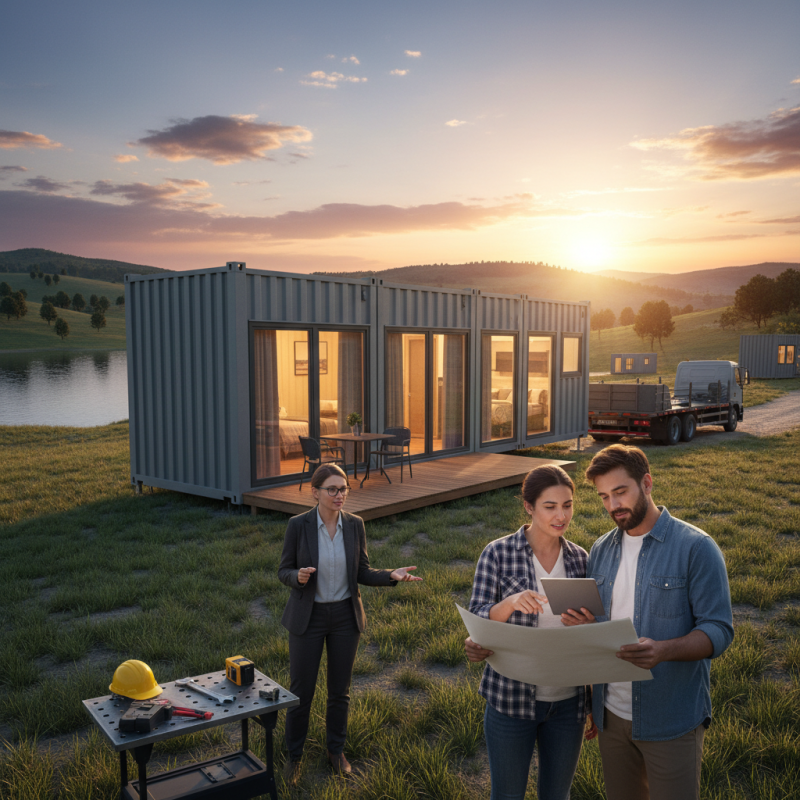
Foldable container houses are gaining popularity for their flexibility. They are an innovative solution for affordable housing. According to the Global Modular Construction Market report, the market is expected to grow significantly, with a projected CAGR of 6.5% from 2021 to 2028. This trend indicates increasing acceptance of modular solutions worldwide.
One major benefit of foldable container houses is sustainability. They can be reused and repurposed. Many designs are energy-efficient as well. For example, using solar panels can minimize utility costs. Moreover, a study from the International Energy Agency highlighted that modern designs can reduce energy consumption by up to 30%. However, some customers may encounter challenges such as zoning restrictions.
Tips: When considering a foldable container house, check local regulations. It’s essential to partner with experienced builders. Research design options that suit your climate and lifestyle.
The affordability is another appealing aspect. Prices can vary considerably based on size and location. A study by the National Association of Home Builders found that the average cost per square foot for modular homes is about $100 less than traditional builds. However, hidden costs may arise in transportation and setup, so budgeting is crucial.
: They can reduce construction costs by up to 30%. This is significant in today's housing market.
Explore online platforms and local suppliers. Many websites connect buyers with manufacturers.
Yes, not all containers suit every climate. Some may need modifications for areas with heavy snowfall.
Assess the quality of construction. Look for durable insulation and reliable structural integrity.
It's crucial. Energy-efficient windows and doors reduce utility bills and increase comfort.
Ensure the layout suits your lifestyle. A poorly designed space can cause future issues.
Local laws can affect your options. Researching these regulations can prevent unexpected challenges.
Yes, consider potential resale value. It's key for a smart long-term investment in housing.
Some may not fit well in all climates. You may face zoning regulations that complicate ownership.
Yes, many companies offer customization options. This can help meet your specific needs and preferences.
Foldable Container Houses are gaining popularity due to their versatility and cost-effectiveness. These innovative structures offer numerous benefits, such as ease of transport, quick setup, and sustainability. However, several factors can affect their cost, including materials used, design complexity, and location. Potential buyers should explore various options to find affordable Foldable Container Houses, considering both online and local resources.
Before making a purchase, it's crucial to negotiate prices effectively and understand the essential aspects of ownership, such as zoning regulations and maintenance requirements. By prioritizing these considerations, buyers can ensure a rewarding investment in Foldable Container Houses that meet their needs without exceeding their budget.

 ZHONGHUI HOLDINGS