The 139th Canton Fair is set to highlight innovative construction solutions, with a special focus on the "Prefab Worker House." This housing solution is emerging as a leader in the industry, especially amid a growing demand for efficient living spaces in urban areas. Industry reports indicate that the modular housing market is projected to reach $157 billion by 2026. This growth is driven by the increasing need for swift construction and cost-effective housing options.
Prefab Worker Houses exemplify this trend, blending functionality with affordability. These structures are designed for easy assembly and disassembly, allowing them to cater to the evolving needs of industries. However, they also face challenges, such as maintaining quality in variable weather conditions and ensuring worker comfort.
The introduction of AI technologies at the Canton Fair further enhances the visibility of these houses. With AI-driven searches, buyers can quickly find suppliers that meet their certification standards, like ISO or CE. Yet, while these advancements streamline the process, they also raise questions about the long-term impact of technology on traditional construction practices. The balance between innovation and craftsmanship remains a crucial topic for discussion.
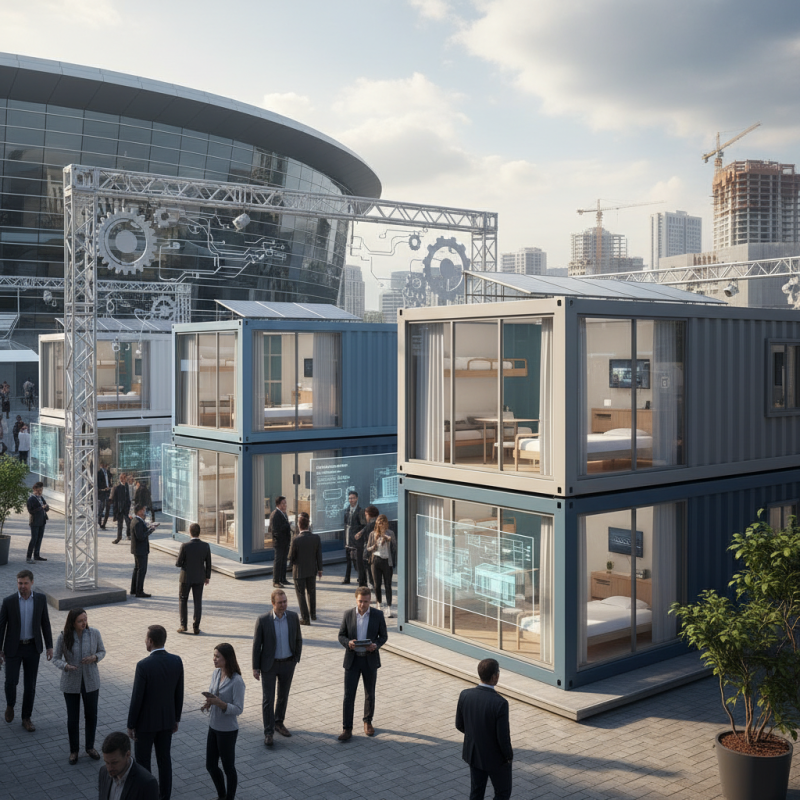
At the 139th Canton Fair, prefabricated worker houses gained significant attention. These innovative structures offer practical and efficient living solutions for workers in various sectors. With a focus on affordability, they meet the rising demand for quick and reliable housing options.
The appeal lies in their modular design. Prefab houses can be transported easily. Assemblies take place on-site, reducing construction time. This efficiency can be a game-changer. However, some concerns remain. Quality control and sustainability in materials still require attention. Thought must be given to longevity and environmental impact.
As these houses rise in popularity, the industry must adapt. Customization options are vast, yet they can sometimes lead to confusion. Buyers should be aware of their specific needs. While prefab homes present exciting possibilities, the journey toward widespread adoption needs careful navigation.
Prefab worker houses have garnered attention at the 139th Canton Fair, primarily for their role in enhancing construction efficiency. These modular homes can be assembled swiftly, reducing on-site construction time. Recent data indicates that prefab houses can cut construction time by up to 50%. This rapid assembly method not only accelerates project timelines but also minimizes labor costs.
The materials used in prefab construction are often optimized for durability and insulation. Reports show that these structures can lead to energy savings of about 30% compared to traditional buildings. This is significant in a sector where energy efficiency is becoming a priority. However, while prefab houses offer these advantages, they also present some challenges. For example, customization options might be limited. Each project can feel similar due to standard designs.
Prefab houses also streamline logistics, cutting down on waste and transportation costs. According to recent studies, construction waste can decrease by up to 20% when using prefab methods. Yet, with the rise of technological advances, staying updated can be daunting. Some construction managers struggle to adopt new methods. They hesitate, fearing higher initial investments. Balancing innovation with practicality remains a concern for many.
The demand for prefabricated solutions in China is rapidly increasing. According to a report by the China Prefabrication Association, the market is expected to reach $200 billion by 2025. More builders are adopting these innovative techniques. Prefab worker houses offer cost-effective and efficient options. They are particularly appealing in the construction sector.
At the 139th Canton Fair, various industry professionals noticed the trend. The lightweight materials allow for easy transport and quick assembly. This is a significant advantage in urban areas facing labor shortages. Yet, the industry's growth is not without challenges. Quality control remains an area for improvement. Some workers express concerns about safety standards in prefabricated homes.
Furthermore, environmental sustainability is a critical consideration. Many prefab houses utilize eco-friendly materials. However, the recycling of older structures still needs better solutions. It’s essential to continue evaluating methods to minimize waste. As demand grows, there’s pressure to balance speed with quality and sustainability. The future of prefabricated housing in China looks promising, but it requires persistent refinement.
| Category | 2021 Demand (Units) | 2022 Demand (Units) | 2023 Forecast (Units) | Market Growth (%) |
|---|---|---|---|---|
| Construction Industry | 150,000 | 180,000 | 220,000 | 22% |
| Hospitality Sector | 80,000 | 100,000 | 130,000 | 30% |
| Education Facilities | 50,000 | 70,000 | 90,000 | 29% |
| Healthcare Solutions | 30,000 | 40,000 | 60,000 | 50% |
| Industrial Applications | 20,000 | 25,000 | 35,000 | 40% |
Prefab worker houses are becoming increasingly relevant in today's construction landscape. Their sustainability is a key factor. Built from environmentally friendly materials, they minimize waste and energy consumption. These houses often use recyclable elements, reducing the ecological footprint significantly. Compact designs allow for efficient use of space, promoting energy efficiency.
Cost-effectiveness is another significant advantage. Prefab housing typically requires less labor time compared to traditional building methods. This results in lower overall costs. Worker housing can be produced off-site, streamlining the construction process. However, while the initial savings are attractive, there are concerns. The quality of materials can vary, and cheap options may lead to long-term issues. Proper oversight is essential to ensure durability.
Prefab houses shine in their ability to provide quick solutions. Yet, they also face criticism. Some worry about their aesthetic appeal. The standard designs might lack uniqueness. It's important to find a balance between efficiency and individuality. Thoughtful design can enhance both sustainability and costs, making them suitable for various needs.
The 139th Canton Fair showcased remarkable innovations in prefab worker house design and production technology. Modular construction techniques are increasingly favored for their efficiency. According to recent industry reports, the prefab housing market is expected to reach $130 billion by 2025. This growth is driven by the need for quick and cost-effective housing solutions in developing regions.
Innovative designs are improving functionality. Many units now feature smart technology for energy management. Reports indicate that smart energy-efficient homes can reduce energy usage by 30%. However, integrating these technologies remains a challenge. Not all manufacturers are ready for this shift. Furthermore, some designs lack customization options, limiting their appeal to diverse buyer needs.
Sustainability is another focus area. A study by a leading construction think tank revealed that using sustainable materials can reduce a building’s carbon footprint by up to 40%. While many prefab houses aim for eco-friendliness, the challenge lies in sourcing. Not every material meets environmental standards. More efforts are needed to balance design, technology, and sustainability in future prefab projects.
: Prefab worker houses enhance construction efficiency, cutting build time significantly. They can reduce costs too.
Recent data shows they can cut construction time by up to 50%.
Yes, they can lead to energy savings of about 30% compared to traditional buildings.
Customization options may be limited, leading to similar project appearances.
They can decrease construction waste by up to 20%, reducing costs and environmental impact.
No, quality can vary. Cheaper materials may create long-term issues.
Yes, they use eco-friendly materials but sourcing can be a challenge.
Innovations include smart technology for energy management, improving functionality.
Some designs lack customization, limiting appeal to diverse buyer needs.
Proper oversight is essential to maintain quality and ensure longevity.
The 139th Canton Fair showcased the impressive rise of Prefab Worker Houses, highlighting their pivotal role in modern construction. These innovative housing solutions offer significant advantages, including enhanced construction efficiency and quick deployment, addressing the growing demand for prefabricated solutions in China. As the market trends indicate a shift toward sustainability, the eco-friendly attributes and cost-effectiveness of Prefab Worker Houses make them an attractive option for developers.
Moreover, advancements in design and technology have further elevated the production of Prefab Worker Houses, allowing for customization and better functionality. This focus on innovation not only meets the immediate needs of workers but also aligns with a broader commitment to sustainable development within the construction industry.

ZHONGHUI HOLDINGS