In the realm of modern construction, "Steel Structure" stands out for its robustness and versatility. Renowned structural engineer Dr. Emily Carter emphasizes, "Steel structures are not just resilient; they redefine how we design spaces." This highlights the transformative impact of steel in building design and construction.
Steel structures provide advantages in many applications, from residential homes to towering skyscrapers. They offer strength, flexibility, and speed of construction. Additionally, their sustainability aspect is increasingly recognized. However, challenges do exist. The initial cost can be higher than traditional materials. Anticipating maintenance needs is crucial as well.
Despite some criticisms, steel structures contribute significantly to modern architecture. Their durability and efficiency make them a preferred choice for many projects. Understanding both benefits and drawbacks is essential for professionals in the field. Embracing evolving technologies can lead to innovative uses in future designs.
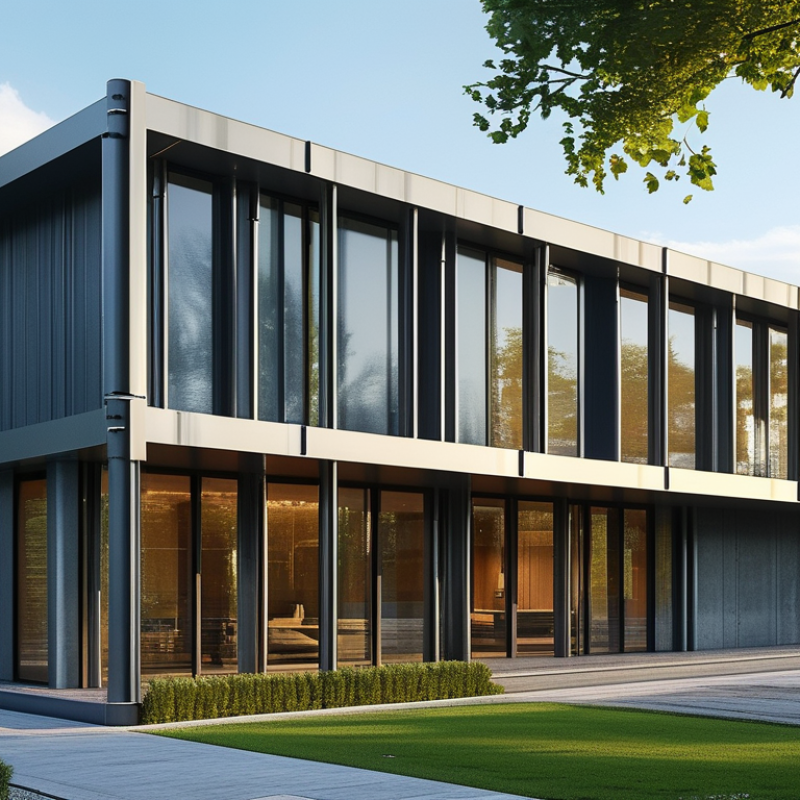
What is Steel Structure?
Steel structures are an essential aspect of modern construction. They are made from steel beams and columns, providing strength and flexibility. The use of steel allows buildings to reach greater heights and span wider spaces. This is particularly useful for industrial buildings and high-rise offices. Steel structures can be easily adapted to various designs, enhancing architectural creativity.
One key benefit of steel structures is their durability. They resist environmental factors better than many other materials. Corrosion-resistant coatings can extend their lifespan. However, it is crucial to consider maintenance needs to avoid long-term issues. Overlooking maintenance can lead to structural weaknesses or unexpected costs.
Tips for choosing steel structures include assessing long-term goals. Consider the building's intended use and location. Additionally, seek expert advice on design and materials. Engaging professionals early can prevent costly mistakes later on. Always prioritize safety and compliance with local regulations while planning any steel structure project.
Advantages of Using Steel Structures
Steel structures offer numerous advantages that make them a popular choice in construction. They are known for their strength, durability, and versatility. The lightweight nature of steel allows for easier handling and installation, reducing labor costs. This is particularly beneficial in projects with tight timelines. Steel structures can support large spans, enabling open spaces without the need for numerous columns.
Another significant benefit is their resistance to environmental factors. Steel is not susceptible to pests, mold, or decay, which can be issues in wooden constructions. Additionally, steel structures can withstand extreme weather conditions. This contributes to long-term savings on maintenance and repair costs. However, the initial investment might be higher when compared to other materials.
In terms of design, steel provides flexibility. Architects can create innovative designs that push boundaries. Yet, it's important to consider potential challenges. For instance, the thermal conductivity of steel can lead to energy inefficiency if not properly insulated. This consideration requires careful planning. Overall, the advantages of steel structures are compelling, but they demand thoughtful implementation.
Common Applications of Steel Structures
Steel structures have become increasingly popular in various industries due to their numerous benefits. Common applications include industrial buildings, bridges, and residential frameworks. These structures are known for their durability, strength, and flexibility. For example, many factories utilize steel frames because they can support heavy machinery and withstand harsh environments.
Tips: When considering a steel structure, assess the specific site conditions. This helps determine the best design approach. Each project is unique, so a tailored solution is essential for optimal performance.
Another common application is in bridges. Steel is often chosen for its tensile strength and ability to span long distances without support. This reduces the need for multiple columns, creating more usable space beneath the bridge. In residential buildings, steel framing allows for innovative designs. It can enable open floor plans and larger windows. However, there are discussions about the aesthetic appeal of steel compared to traditional materials.
Tips: Always engage with a structural engineer for advice. Their expertise ensures safety and compliance. Investing time in the planning phase pays off, as it can prevent costly modifications later.
What is Steel Structure Benefits and Applications Explained?
| Application |
Benefits |
Common Uses |
| Residential Buildings |
Strong, durable, and economical |
Single-family homes, multi-family apartments |
| Commercial Properties |
Rapid construction and design flexibility |
Office buildings, shopping malls |
| Industrial Structures |
High load-bearing capacity |
Factories, warehouses, power plants |
| Bridges |
Long-span capability, resilience |
Roads, railways, pedestrian walkways |
| Infrastructure Projects |
Sustainability and recyclability |
Highways, airports, stadiums |
Comparative Analysis with Other Building Materials
Steel structures stand out in the construction industry, showing distinct advantages over traditional materials like wood and concrete. One significant benefit of steel is its strength-to-weight ratio. Steel can support heavy loads while remaining lighter than concrete or wood. This quality allows architects greater flexibility in design. They can create larger open spaces without interior columns, enhancing functionality.
However, steel structures require rigorous anti-corrosion measures. This consideration is critical in humid or coastal areas. Unlike concrete, steel is susceptible to rusting when exposed to moisture. On the other hand, concrete is more durable in these environments but often lacks flexibility in design. Wood, while aesthetically pleasing and renewable, has limitations in structural integrity over time. It can warp or rot, particularly in less controlled climates.
Moreover, the need for maintenance in steel structures can be a point for reflection. Builders must consider the long-term costs associated with upkeep. Concrete may offer a lower maintenance option but at the cost of weight and design freedom. Each material has its pros and cons, making the choice context-dependent. An informed decision hinges on specific project needs and environmental factors.
Future Trends in Steel Structure Design and Construction
The future of steel structure design and construction holds exciting possibilities. As the industry embraces new technologies, methods will evolve. Advanced software is enabling architects to create more complex designs. This flexibility can lead to innovative commercial buildings and bridges.
Sustainability is also becoming a key focus. Recyclable steel reduces waste and energy consumption. Innovative fabrication techniques are emerging, allowing for faster assembly and lower costs. Modular construction is gaining traction, yet it presents challenges in site integration and logistics.
Furthermore, smart technologies are being integrated into steel structures. Sensors can monitor structural integrity, enhancing safety. However, issues related to data security must be addressed. Overall, while advancements are promising, the industry must navigate these complexities to realize the full potential of steel structures.
Benefits of Steel Structures
This chart illustrates the various benefits of steel structures based on their key attributes: durability, cost efficiency, sustainability, design flexibility, and speed of construction. Each benefit is rated on a scale from 0 to 100, showcasing the advantages associated with steel in modern construction.
FAQS
: A steel structure consists of steel beams and columns. It provides strength and flexibility for construction projects.
Steel structures are durable and can withstand environmental factors. They are suitable for high-rise buildings and industrial use.
Maintenance is crucial for avoiding long-term issues. Neglect can result in structural weaknesses and unexpected costs.
They are widely used in industrial buildings, bridges, and residential frameworks. Their strength and flexibility support diverse uses.
Steel has a superior strength-to-weight ratio. However, it requires anti-corrosion measures unlike concrete, which is more durable in moisture.
Assess the intended use and site conditions. Tailored solutions ensure optimal performance based on unique project needs.
Steel may have less aesthetic appeal than traditional materials. This is a discussion point for some projects and designs.
Engage with a structural engineer for guidance. Their expertise helps ensure compliance with safety regulations and standards.
Steel requires maintenance and anti-corrosion measures. Builders should reflect on long-term upkeep costs associated with steel structures.
Yes, the flexibility of steel allows for innovative designs, such as open floor plans and larger windows in buildings.
Conclusion
Steel structures are a modern building approach characterized by their strength, durability, and versatility. They offer numerous advantages, including reduced construction time, lower maintenance costs, and a wide range of design possibilities. The lightweight nature of steel allows for innovative architectural designs while maintaining high structural integrity. Common applications of steel structures span across various sectors, including commercial buildings, bridges, and industrial facilities, showcasing their adaptability to different environments and needs.
In comparison with traditional building materials like wood and concrete, steel structures stand out due to their superior tensile strength and resistance to environmental factors. As we look to the future, trends in steel structure design emphasize sustainability and efficiency, incorporating advanced technologies such as prefabrication and smart materials, which promise to enhance the performance and reduce the environmental impact of steel construction. Overall, the steel structure remains a cornerstone in modern architecture, prioritizing both functionality and ecological responsibility.

 ZHONGHUI HOLDINGS