Why Choose Assemble Container House for Your Next Project?

Time:2026-05-25 Author:Charlotte
0%

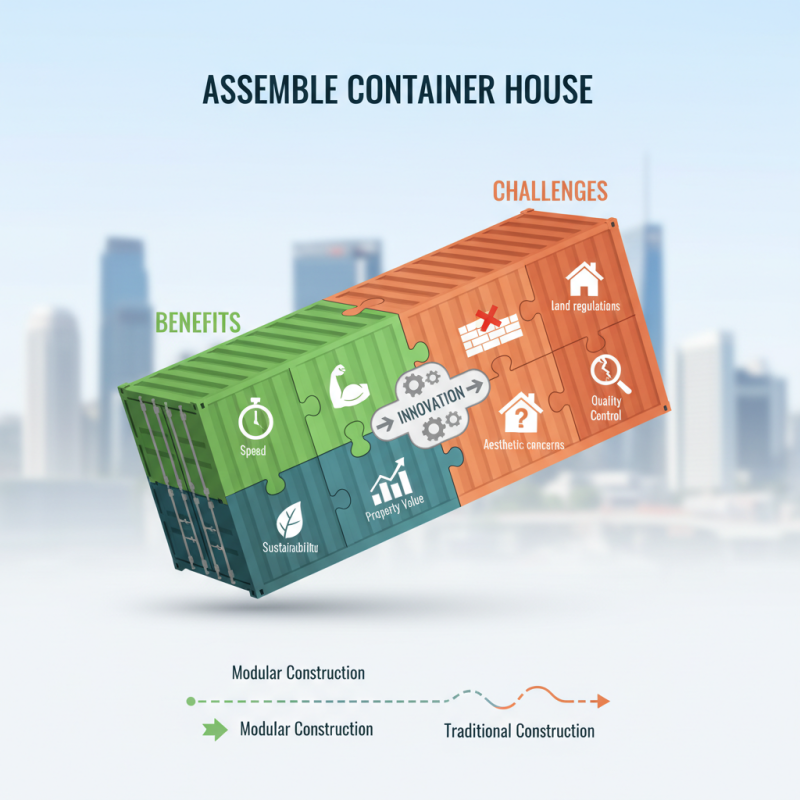
Assemble Container House is redefining modern construction. This innovative approach offers speed and flexibility, appealing to today’s builders. According to the World Economic Forum, modular construction can reduce project timelines by up to 50%. As urban areas grow, rapid deployment structures are crucial.

The Assemble Container House presents sustainability benefits. Using repurposed shipping containers minimizes waste and reduces the carbon footprint. The Urban Land Institute reports that sustainable construction can improve property values by up to 25%. This statistic highlights the economic advantage of choosing containers over traditional methods.

However, the Assemble Container House concept is not without challenges. Land regulations can complicate deployment. Additionally, advocates need to address aesthetic concerns. Quality control remains essential to ensure structural integrity. Despite these issues, the potential for innovation in the container house market is immense. The approach combines practicality with modern design.
Why Choose Assemble Container House for Your Next Project?

Advantages of Assemble Container Houses in Modern Construction Practices

As urbanization accelerates, the need for efficient housing solutions becomes critical. Assemble container houses present a feasible alternative. These structures utilize shipping containers repurposed for living and working spaces. Reports indicate that modular construction can reduce build time by up to 50%. This rapid deployment appeals to developers and communities facing housing shortages.

One of the significant advantages is sustainability. Using existing containers minimizes material waste, supporting eco-friendly practices. According to studies, building with recycled materials can lower overall carbon footprint by 30%. Furthermore, container houses typically offer flexible designs. Their modular nature allows for easy customization based on client needs and site restrictions.

Despite the benefits, there are challenges. Insulation and thermal comfort must be addressed. Containers can become uncomfortably hot or cold, affecting livability. Proper engineering and design improvements are necessary for optimal performance. Moreover, zoning restrictions may complicate deployment in some areas, limiting location options. Addressing these hurdles will be essential for wider acceptance in modern construction.

Cost Efficiency of Container Houses Compared to Traditional Building Methods

Container houses are gaining traction as an alternative to traditional construction methods. One major advantage is cost efficiency. According to a study by the National Association of Home Builders, container homes can reduce overall costs by up to 20%. This is largely due to shorter construction times and fewer materials needed. Such savings are attractive for both residential and commercial projects.

The modular nature of container houses allows for rapid assembly. A report from the Container Architecture Institute indicates that these homes can often be completed in as little as 6-12 weeks. This is significantly faster than the 6-12 months often required for conventional buildings. Additionally, container houses often incur fewer labor costs due to the simplicity of assembly.

However, it's essential to recognize potential drawbacks. Not every location can accommodate container structures. Zoning laws and building codes vary greatly. Some areas might not be open to alternative designs. It's critical to research local regulations before proceeding. Overall, while container homes offer enticing financial benefits, a thorough understanding of your project's context is crucial for success.

Sustainability Impact: Eco-Friendly Aspects of Container Housing Solutions

Container houses are revolutionizing the way we think about sustainability and eco-friendly living. With their unique design, they minimize the use of traditional building materials. This significantly reduces waste. Each container repurposed means less burden on landfills and fewer trees cut down for lumber.

Moreover, container homes can be highly energy efficient. Many designs incorporate solar panels and green roofs. These features lower energy consumption. They offer natural insulation, reducing heating and cooling costs. It’s a practical choice for eco-conscious builders. However, not every design utilizes these features equally. Some homes may miss opportunities for improvements.

Ventilation is also crucial in container housing. Poor airflow can lead to condensation issues. That means potential mold growth. Addressing these challenges is essential for long-term sustainability. It requires careful planning and knowledge. Builders must consider every element to ensure eco-friendliness is truly achieved.

Customization and Flexibility in Design for Container House Projects

Container houses offer remarkable customization and flexibility for modern projects. Each container can be tailored to your specific needs. You can choose the layout, size, and even the finishes. This level of personalization allows for unique designs that reflect your style or functional requirements.

When creating a container house, consider the environment. The design should harmonize with its surroundings. Colors, materials, and landscaping play a vital role in this. Ensure your container house blends in rather than stands out awkwardly.

**Tips:** Think about using natural light. Large windows can enhance the interior space. Also, acoustics can be an issue; soundproofing might be necessary. Revisit your plans often. Design can evolve as construction progresses. Flexibility will lead to better outcomes.

Speed of Construction: Timelines and Benefits of Using Container Homes

Container homes have become increasingly popular for their rapid construction timelines. Builders appreciate that these homes can be assembled quickly, often within weeks rather than months. The modular nature of container structures allows for easier transport and setup. This efficiency minimizes labor costs and reduces the overall project timeline.

Choosing a container house can also lead to fewer delays. Traditional construction often encounters unexpected issues, like weather or permit complications. Container homes, however, are less susceptible to these setbacks. The design can be pre-planned to match local codes, ensuring smoother inspections. Homeowners can move in faster, enjoying their new spaces sooner.

Yet, it’s crucial to consider the potential drawbacks as well. Not every site is ideal for container construction. Land preparation and foundation work may still require significant time and investment. Builders should carefully assess their location and resources before committing. Each project presents unique challenges that require thoughtful planning. Ultimately, while container homes offer fantastic speed, thorough preparation is essential for success.

FAQS

: What are assemble container houses?

: Assemble container houses are repurposed shipping containers used for living and working spaces.

How do container houses impact construction time?

They can reduce build time by up to 50%, making them quicker to deploy.

What are the sustainability benefits of container houses?

Using existing containers minimizes waste and can lower carbon footprint by 30%.

Can container houses be customized?

Yes, they offer flexibility in layout, size, and finishes to meet specific needs.

What environmental considerations should be made?

Designs should harmonize with the surroundings, using appropriate colors and landscaping.

What challenges come with container houses?

Insulation and thermal comfort are concerns, requiring proper engineering solutions.

How does sound affect container house design?

Acoustics can be an issue, so soundproofing may be necessary for comfort.

How often should designs be revisited during construction?

Regularly reviewing plans is important as design can evolve throughout the process.

What can compromise the deployment of container houses?

Zoning restrictions may limit where these houses can be built.

Is flexibility in design important for container houses?

Yes, it often leads to better outcomes and more functional spaces.

Conclusion

Assemble Container Houses offer a range of advantages in modern construction practices, making them an attractive option for various projects. These homes are highly cost-efficient compared to traditional building methods, allowing for significant savings without compromising quality. Additionally, their eco-friendly aspects contribute to sustainability, aligning with the increasing demand for environmentally responsible housing solutions.

The design of Assemble Container Houses also allows for remarkable customization and flexibility, catering to the unique needs and preferences of homeowners. Moreover, the speed of construction is a notable benefit, as these structures can be assembled in a fraction of the time it takes to build conventional homes. Overall, Assemble Container Houses represent a forward-thinking approach to construction that meets contemporary demands for efficiency, sustainability, and adaptability.


Charlotte

Charlotte

Charlotte is a seasoned marketing professional with a deep understanding of the company's portfolio and a passion for elevating its presence in the market. With a keen eye for detail and a commitment to excellence, she ensures that our professional blog is regularly updated with insightful articles......