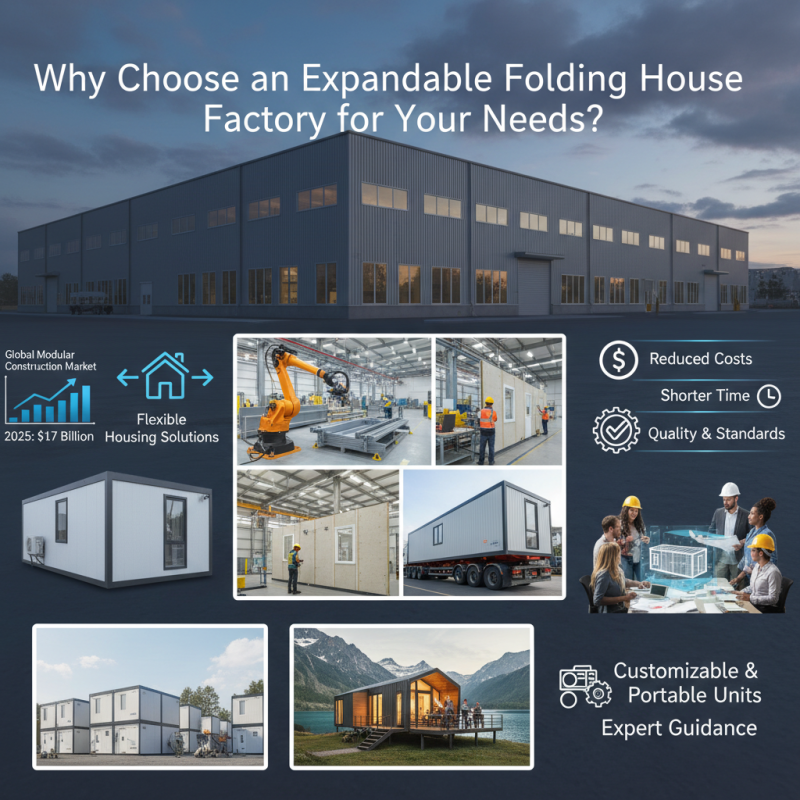
The need for flexible housing solutions has surged in recent years. According to a report by Grand View Research, the global modular construction market is expected to reach $157 billion by 2025. An expandable folding house factory offers innovation and efficiency in this growing industry.
These factories specialize in producing customizable and portable housing units. They cater to diverse needs, from emergency shelters to vacation homes. Their streamlined production processes reduce costs and time, appealing to both consumers and developers.
Choosing an expandable folding house factory can present challenges. Not all manufacturers offer the same quality or standards. It's vital to evaluate the factory's reputation and past projects. The right factory can provide not only a product but also expert guidance in navigating the complexities of modular living.
Expandable folding houses come in various types to suit different needs. These structures are designed to be versatile and adaptable. The most common types include portable cabins, foldable homes, and pop-up houses. Each type offers unique advantages.
Portable cabins are often used for temporary housing or on construction sites. They can provide a quick solution when space is limited.
Foldable homes are another innovative option. They can be easily collapsed and transported, making them ideal for remote locations. These homes can also be set up rapidly. On the other hand, pop-up houses offer a more permanent solution. They can be configured quickly and often come with sustainable features.
Each option has its pros and cons. When evaluating these types, consider the intended use, location, and duration of stay. Some designs might not withstand severe weather. Others may lack adequate insulation. Choosing the right type requires thoughtful consideration of individual needs and situations.
Choosing an expandable folding house factory can significantly impact your housing solutions. One major advantage is flexibility. These structures can adapt to various needs. Whether you require extra space for a growing family or a temporary workspace, expandable folding houses can accommodate those changes seamlessly.
Another key benefit is cost-effectiveness. Traditional construction can be expensive and time-consuming. In contrast, expandable houses are often more affordable. The shorter build time reduces labor costs. Plus, materials used can be more sustainable. This results in lower maintenance costs in the long run.
Consider durability too. High-quality expandable houses are designed to withstand different weather conditions. They can function well in diverse environments. However, the choice of factory matters. Not all factories have the same reputation for quality. Potential buyers should conduct thorough research. Assess the materials and techniques used in production. Reliable factories maintain high standards, ensuring customer satisfaction.
When considering a folding house manufacturer, several factors are crucial. Quality is non-negotiable. A report from the International Housing Association reveals that over 70% of buyers prioritize building materials. Durable materials not only enhance the longevity of the structure but also ensure safety. Another important aspect is design flexibility. A renowned design firm states that custom designs can increase user satisfaction by 60%. Make sure to assess a manufacturer's ability to offer multiple design options.
Production capacity should not be overlooked. According to industry data, manufacturers with higher production capacities can meet urgent demands effectively. This reliability can be vital in unforeseen situations, such as natural disasters or housing shortages. Check the manufacturer's past projects. Viewing completed work will provide insights into their craftsmanship and capability.
After evaluating these factors, consider customer reviews. Trustworthy feedback can indicate a manufacturer's reliability. Websites specializing in construction reviews often highlight significant insights. Be cautious, though; not all reviews are genuine. Conducting thorough research is essential. Engage in conversations with past clients when possible. Their experiences can illuminate potential pitfalls or strengths of the manufacturer you are considering.
Quality control is vital in the production of expandable folding houses. Each stage of the manufacturing process must undergo strict oversight. This ensures that the final product meets safety and performance standards. Effective quality control minimizes defects and enhances durability, which are key factors in customer satisfaction.
One common challenge is maintaining consistent material quality. Sourcing reliable suppliers is crucial. Variations in materials can lead to structural issues. Workers must be trained to identify and address these concerns. Regular inspections should be part of the routine. This practice helps catch problems early and allows for timely corrections.
Another focus is on design and functionality testing. Each prototype undergoes stress tests. This simulates real-world conditions to assess performance. Continuous feedback loops aid in optimizing designs. However, adjustments can introduce new complexities that require careful evaluation. Identifying flaws early is essential, but it's also a learning process that evolves with ongoing production.
| Quality Control Measure | Description | Assessment Frequency | Responsible Department |
|---|---|---|---|
| Material Inspection | Verifying the quality of raw materials before production. | Every batch | Quality Assurance |
| In-Process Quality Checks | Continuous monitoring during the production process. | Hourly | Production Team |
| Final Product Inspection | Thorough checking of finished products before packaging. | After production | Quality Assurance |
| Customer Feedback | Gathering and analyzing consumer feedback for quality improvements. | Quarterly | Customer Service |
| Compliance Audits | Ensuring manufacturing processes meet industry regulations and standards. | Annually | Compliance Team |
The growing trend of expandable folding houses highlights their cost-effectiveness. According to a report by the International Modular Construction Association, modular structures can reduce construction costs by up to 20%. This is a significant saving for various applications such as housing or commercial spaces. The use of pre-fabricated materials minimizes on-site labor costs, which can soar with traditional construction methods.
Expandable folding structures also offer flexibility. They can be adapted to different uses, from temporary offices to emergency shelters. Data from Global Market Insights indicates that the demand for modular homes is projected to grow by 6% yearly. This reflects a shift in how people view housing affordability. While expandable houses are innovative, they are not without challenges. Quality control can sometimes be an issue. Consumers must ensure that their chosen manufacturer adheres to industry standards.
Durability is another factor to consider. Some expandable houses may not withstand extreme weather conditions. This raises concerns about longevity and maintenance costs. Therefore, thorough research is essential when selecting a factory for expandable folding structures. Consumers should weigh initial savings against potential long-term expenses.
: Quality of building materials is crucial. Design flexibility and production capacity are also important.
Durable materials enhance safety and ensure the structure lasts longer.
Custom designs can improve user satisfaction significantly.
Higher capacity allows manufacturers to meet urgent demands effectively during crises.
Review their completed projects. Look for insights into their quality and design capabilities.
They can provide useful insights, but not all reviews are genuine.
Conduct thorough research and talk to past clients. Their experiences can reveal important details.
It ensures that the final product meets safety and performance standards and minimizes defects.
Sourcing reliable suppliers is vital; variations can lead to structural issues.
Prototypes undergo stress tests to simulate real-world conditions and assess performance.
When considering modern housing solutions, an Expandable Folding House factory offers a versatile and efficient option. Various types of expandable folding houses are available in the market, catering to different requirements. The key advantages of choosing such a factory include customizable designs, rapid construction times, and their ability to meet diverse needs, from temporary accommodations to permanent residences.
Selecting a folding house manufacturer entails careful consideration of several factors, including production quality and adherence to quality control measures. Ensuring that the manufacturer implements strict quality controls during production is essential for long-lasting structures. Additionally, the cost-effectiveness of expandable folding houses makes them an attractive choice for both individual and commercial needs, providing an economical solution without compromising on quality or functionality.

ZHONGHUI HOLDINGS