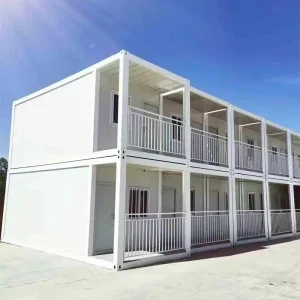
Explore our industrial-grade, code-compliant, and structurally optimized prefab units ready for deployment across Malaysia and Southeast Asian markets.
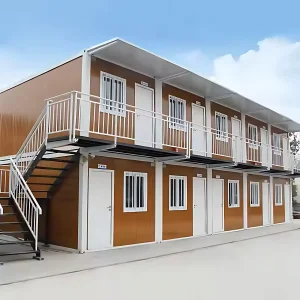
The global construction industry is experiencing a paradigm shift from traditional cast-in-situ concrete methods to advanced prefabrication. In Southeast Asia, and particularly within Malaysia, this transition is heavily catalyzed by the Construction Industry Development Board’s (CIDB) Industrialized Building Systems (IBS) strategic roadmap. The convergence of rapid urbanization, strict labor policies, and demanding environmental ESG mandates makes prefabricated modular structures the modern standard for high-speed infrastructure delivery.
Foshan Zhonghui Green Building Integrated Housing Co., Ltd., headquartered in the high-tech industrial node of the Guangdong-Hong Kong-Macao Greater Bay Area (Guangzhou/Foshan), acts as a primary catalyst for this transition. By leveraging regional industrial clusters and advanced modular design workflows, the company provides turnkey solutions to developers across Johor Bahru, Kuala Lumpur, Penang, and East Malaysia. Our structures offer a robust answer to both local legislative compliance (such as Act 446 structural requirements for worker housing) and commercial viability demands.
Malaysia's construction landscape is distinct, characterized by tropical rainfall regimes, high humidity indexes, and aggressive coastal corrosion profiles. Traditional construction exposes materials to degradation during prolonged installation cycles. Prefabrication guarantees structural and metallurgical integrity through controlled indoor manufacturing. This structural reliability is essential for large-scale mining operations, petrochemical expansions, agricultural worker housing, and tourist resort developments across regions like Langkawi and the Genting Highlands.
Why Tier-1 Contractors and Procurement Directors Partner with Zhonghui Green Building Integrated Housing.
Deploying advanced heavy-gauge steel cold-forming lines, automated robotics for precise structural welding, and advanced quality assurance protocols. Our scale allows us to fulfill bulk orders quickly, ensuring reliable project delivery timelines for infrastructure developments.
We provide one-stop, end-to-end support spanning structural engineering calculations (BS/EN codes), architectural customization, dynamic 3D modeling, international freight logistics coordination, and detailed onsite installation guidance.
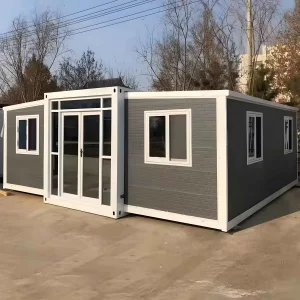
Supported by 46 utility and invention patents. We lead in the application of eco-friendly insulation cores (polyurethane, rockwool), energy-recovery systems, and innovative structures such as our 3-in-1 expandable container houses.
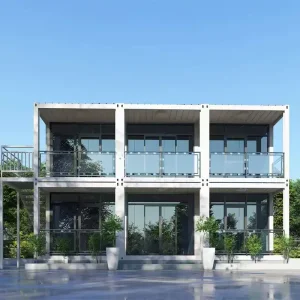
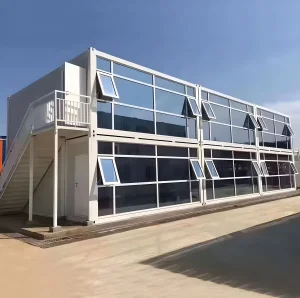
Engineering adaptable building configurations. Every unit is engineered for variable payloads, dynamic modular stacking configurations (up to three stories), and variable dimensional profiles to suit site constraints.
Modern prefabrication demands high material specifications. The table below outlines the structural, mechanical, and insulation performance metrics engineered by Foshan Zhonghui for the tropical and marine climates of Malaysia:
| Structural Parameter | Material Specification | Performance Indicators |
|---|---|---|
| Primary Steel Framing | Hot-dip galvanized, high-tensile structural steel (Q355B or Q235B) | Zinc coating density ≥ 275g/m²; structural design life up to 30 years in coastal applications. |
| Wall & Ceiling Panels | High-density Rockwool or Polyurethane (PU) sandwich panels | Thermal conductivity ≤ 0.038 W/m·K; fire resistance class rating: Class A1 (non-combustible). |
| Wind Load Compliance | Reinforced modular gussets and structural corner joints | Engineered to withstand wind speeds up to 120km/h (typhoon-resistant configurations). |
| Anti-Corrosion Finish | Marine-grade epoxy zinc-rich primer + polyurethane top coating | Salt spray resistance ≥ 1000 hours; prevents atmospheric rusting in high-humidity zones. |
In hot tropical environments like Malaysia, reducing heat gain is critical to minimizing long-term cooling costs. Zhonghui integrated housing incorporates modern design principles to address this challenge:
A trusted global brand in green building construction, integrated design, and one-stop box rental and procurement services.
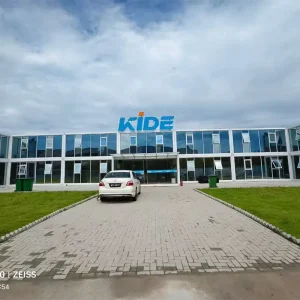
Foshan Zhonghui Green Building Integrated Housing Co., Ltd. is located in the central industrial hub of the Guangzhou-Foshan metropolitan area. We serve as a comprehensive industrial partner offering integrated R&D, design, manufacturing, logistics, and installation services.
Over 15 years of industry leadership, our engineering team has developed and secured 46 invention patents and utility model patents. Our products and creative designs have won industry recognition, including container architecture innovation honors and top ten influential brand awards.
We operate extensive domestic manufacturing centers and maintain sales, logistics, and service outlets in major Chinese hubs including Shanghai, Hangzhou, Nanjing, Shenzhen, Guangzhou, Foshan, Chengdu, and Chongqing. Our global operations export modular solutions to clients worldwide, combining quality engineering with cost efficiency.
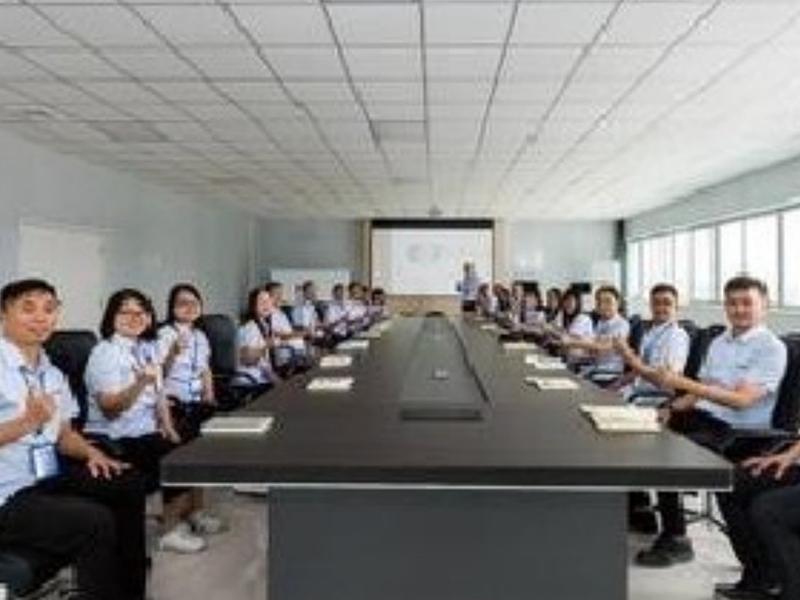
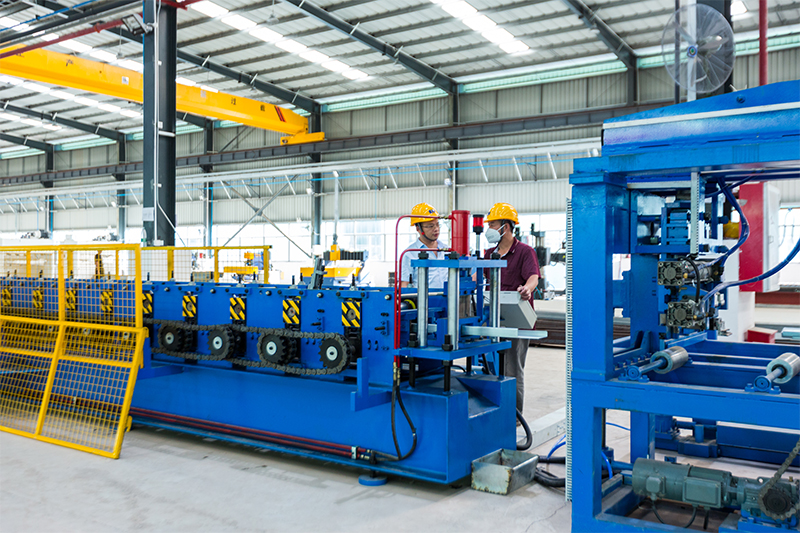
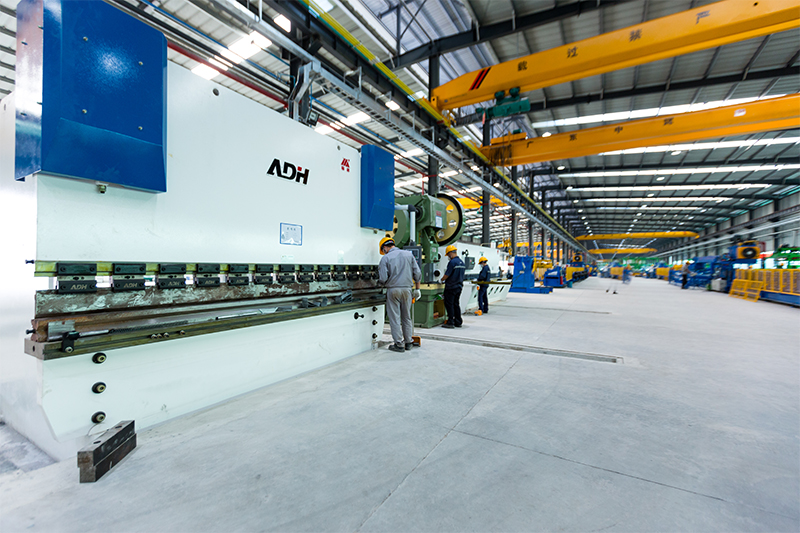
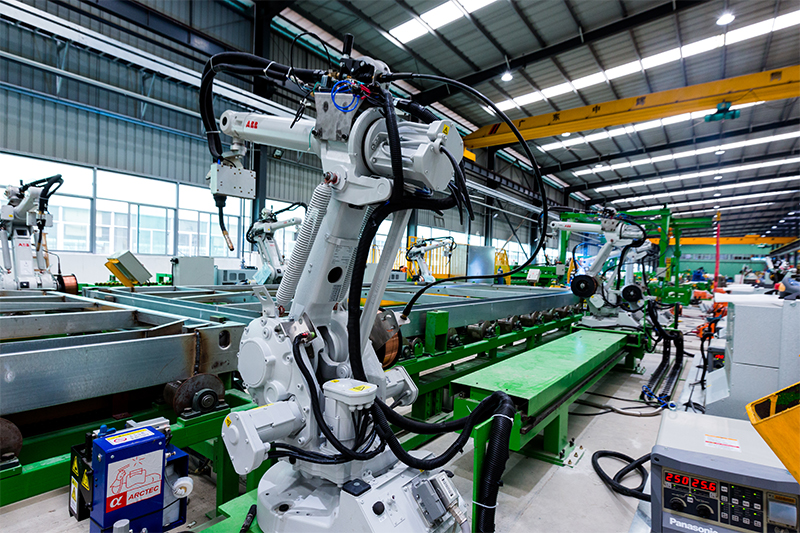
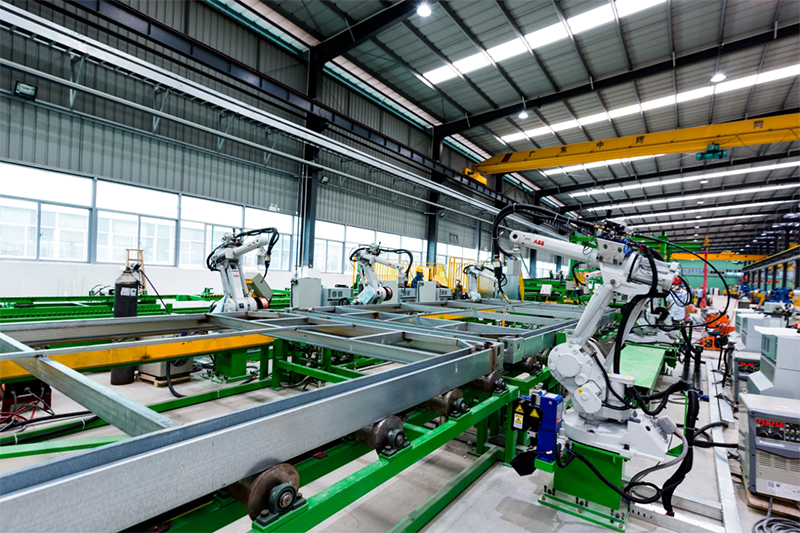
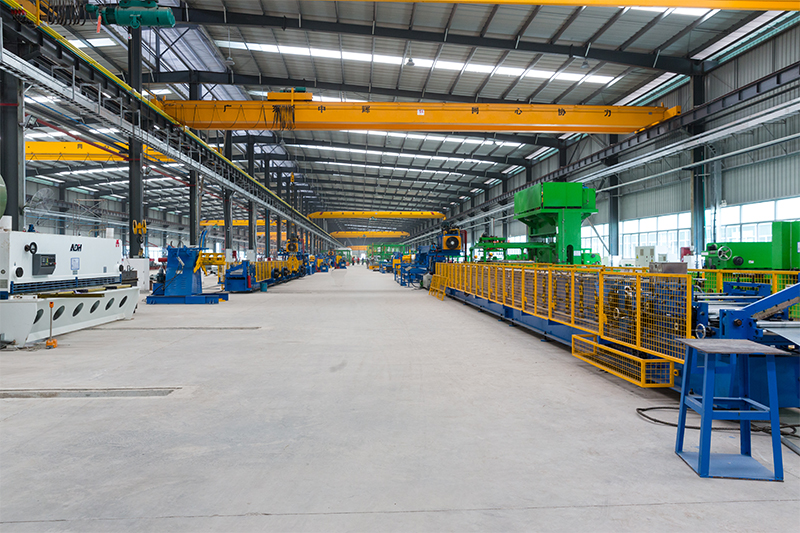
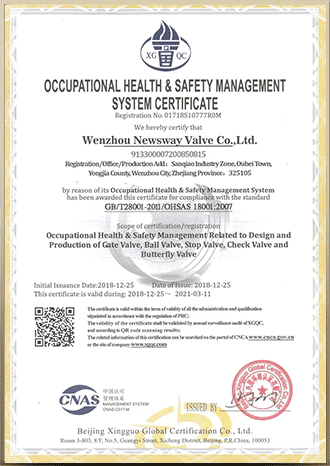
Our commitment to rigorous QA/QC standards and structural verification.
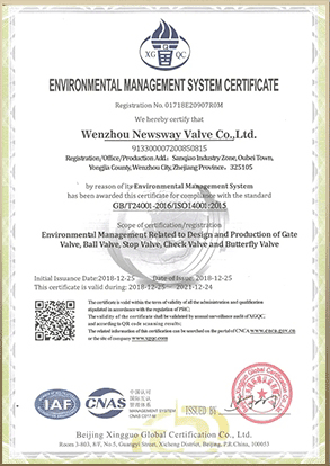
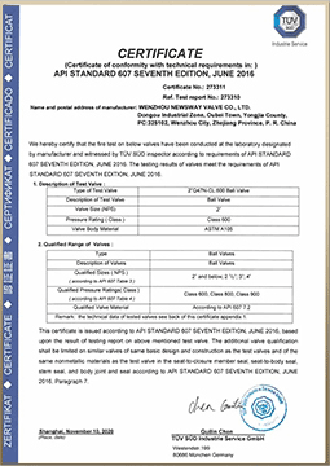
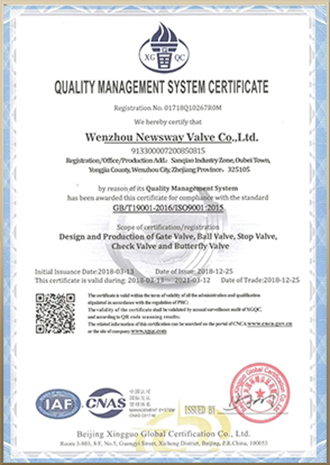
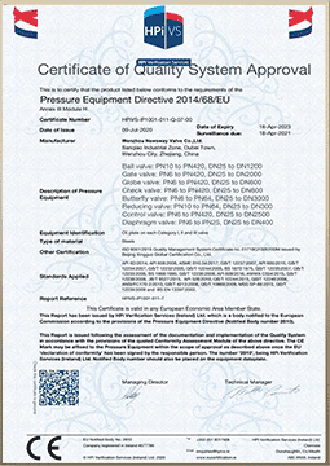
The feasibility of commercial prefabrication relies on robust logistics and cost management. By partnering with China-based manufacturers like Foshan Zhonghui, Malaysian developers gain structural and financial advantages. China's integrated supply chain clusters offer access to high-grade steel, insulation materials, and architectural fittings, allowing us to maintain competitive pricing without compromising quality standards.
Understanding the working capital challenges faced by construction companies, Zhonghui offers flexible financing structures, including zero-deposit and shared-freight booking arrangements for qualified projects. This approach minimizes upfront capital expenditure and reduces overall logistics costs, making modular procurement highly competitive.
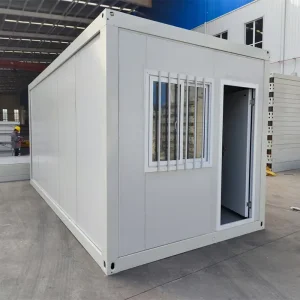
To reduce ocean freight costs, we design our containerized units for efficient shipping packing. Our flat-pack, detachable, and expandable units are optimized for standard 40ft High Cube (HC) shipping containers. Flat packs pack down flat, allowing up to four units to ship in the space of a single standard container, significantly reducing per-unit shipping costs.








Our prefabricated systems are designed for versatile deployment across key sectors of the Malaysian economy:
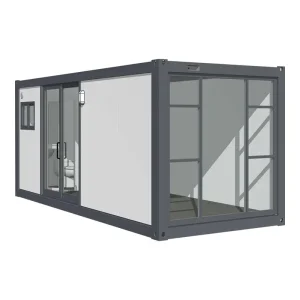
The Malaysian Ministry of Human Resources strictly enforces the Employees' Minimum Standards of Housing, Accommodations and Amenities Act 1990 (Act 446). Contractors face heavy penalties for failing to provide adequate housing. Zhonghui detachable and foldable container houses are designed to meet these requirements, offering appropriate ceiling heights, cross-ventilation, and dedicated sanitary facilities. These structural modules can be deployed, inspected, and certified within days.
Modern developers leverage prefabricated modular systems to build light commercial structures, satellite offices, and sports facilities quickly. Our systems have successfully built modular football clubs, changing facilities, and media boxes, saving developers significant time compared to traditional brick-and-mortar builds.
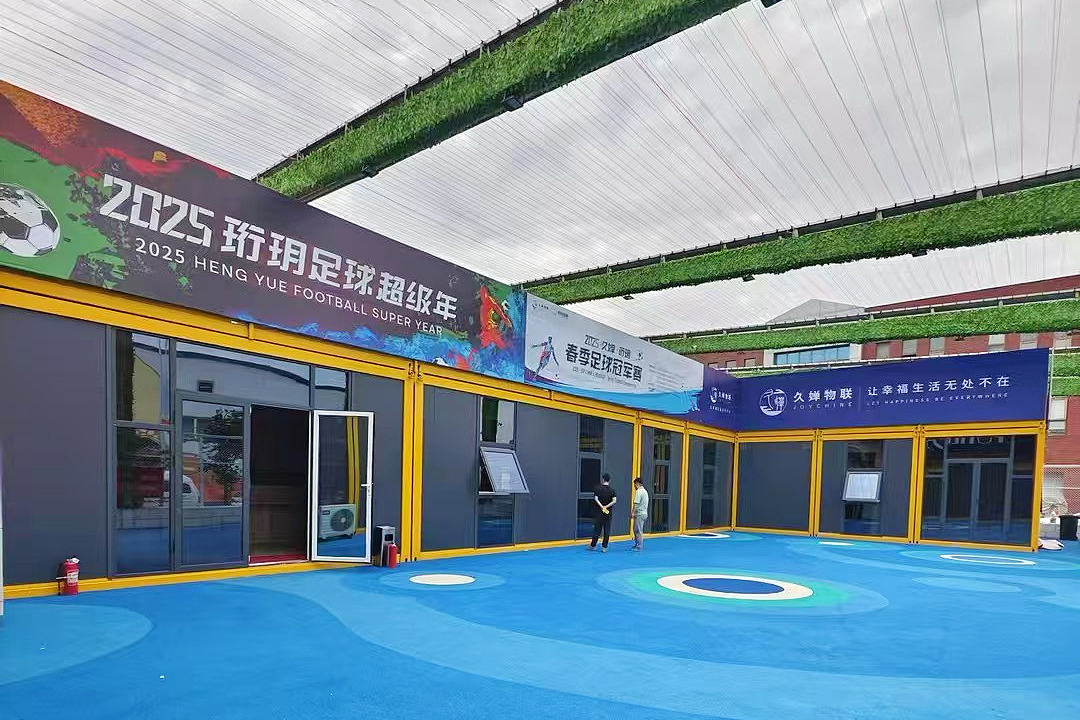
Modular Football Club Complex Integration
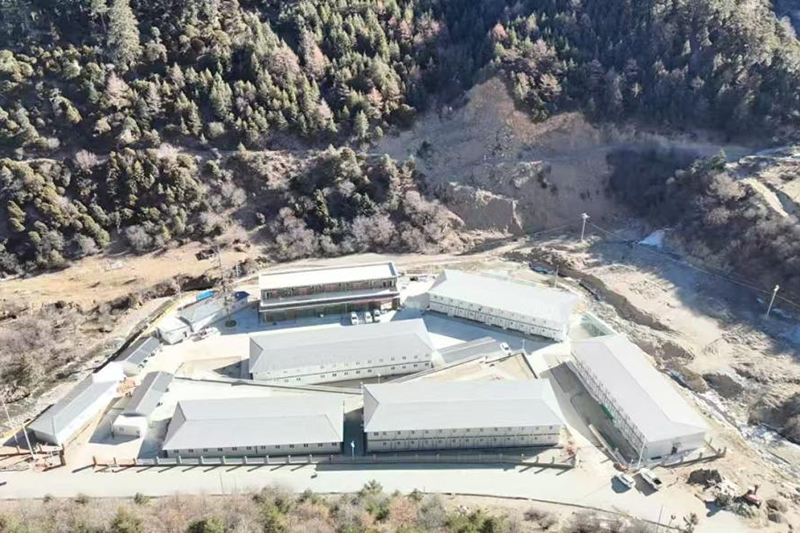
Multi-story Temporary Container Site Office
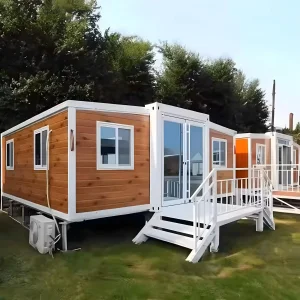
Malaysia's hospitality sector requires eco-friendly structures that minimize local environmental impact. Flat-pack modular systems can be assembled on-site with minimal heavy machinery. Premium models can be fitted with wood plastic composite (WPC) cladding, large low-E glass glazing, and custom interior finishes, offering a modern aesthetic that fits into natural environments without disrupting them.
The future of prefabricated construction is defined by automation, smart technology, and sustainable materials. Zhonghui’s research and development roadmap focuses on integrating advanced smart technologies into our modular designs:
Expert insights on modular prefabrication, logistics, local building compliance, and technical configurations.
Select your required model configuration and contact our engineering sales team for dynamic quotes and custom layout designs.
 ZHONGHUI HOLDINGS