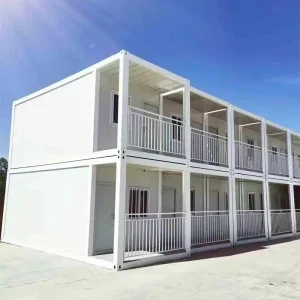
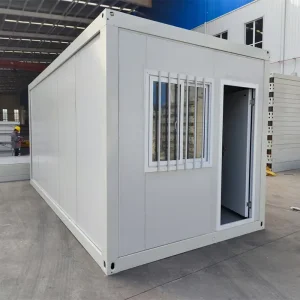
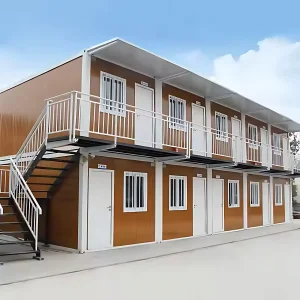
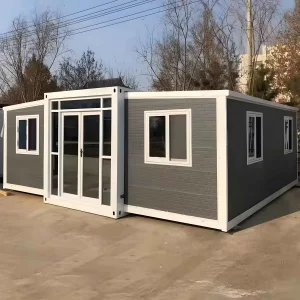
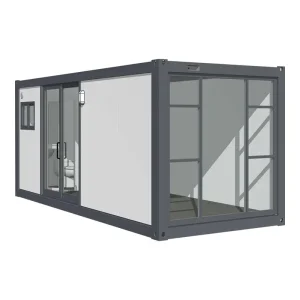
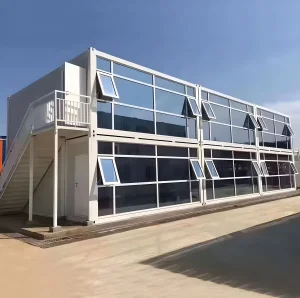
The Philippine construction sector is experiencing a monumental paradigm shift. Traditional brick-and-mortar masonry, while historically standard, is facing criticism due to extended building timelines, escalating logistical expenses, and vulnerability to severe geographical events. As an archipelago situated within the Pacific Ring of Fire and the direct pathway of Western Pacific typhoons, the Philippines demands structural systems that are agile, structurally unified, and highly resilient.
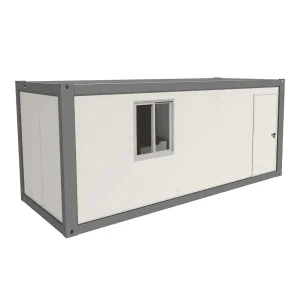
Consequently, industrial-grade modular container housing has emerged as the definitive solution. By manufacturing structural frames under strict quality control regimes within standardized factories and shipping them flat-packed or pre-assembled to Manila, Cebu, Davao, or remote island sites, businesses can reduce construction durations by up to 70%. These units serve as critical infrastructure for B2B procurement divisions across BPOs, infrastructure contractors, agricultural cooperatives, and premium eco-tourism operators.
As a premier wholesale manufacturer, Foshan Zhonghui Green Building Integrated Housing Co., Ltd. spearheads the engineering development of these modular systems, optimizing structural loads specifically for the unique wind, seismic, and thermal requirements of the Philippine market.
International institutional developers, commercial entities, and state-backed contractors are increasingly standardizing their temporary facilities using steel modular container houses. The primary drivers behind global container procurement align perfectly with the immediate challenges faced by the Philippine domestic market:
Traditional site development in remote parts of Luzon, Visayas, or Mindanao can stall due to unpredictable tropical rainfall and materials shortages. Pre-fabricated, factory-certified flat-pack components arrive on-site with pre-installed electrical systems and plumbing configurations, enabling immediate assembly.
The Philippines requires strict compliance with the National Structural Code of the Philippines (NSCP). Zhonghui container houses utilize cold-formed high-tensile steel frames (Q235B/Q355B structural steel grade) engineered to withstand wind loads of up to 250 km/h and high-magnitude seismic events.
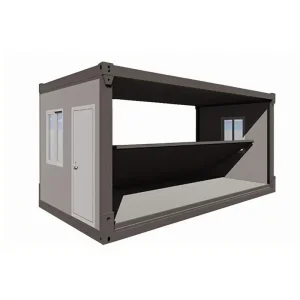
Optimized dimensioning allows flat-packs and collapsible structures, like our sliding Z-box modular houses, to fit seamlessly within standard high-cube shipping containers. This minimizes ocean freight tariffs per square meter, providing a major cost advantage for wholesale buyers.
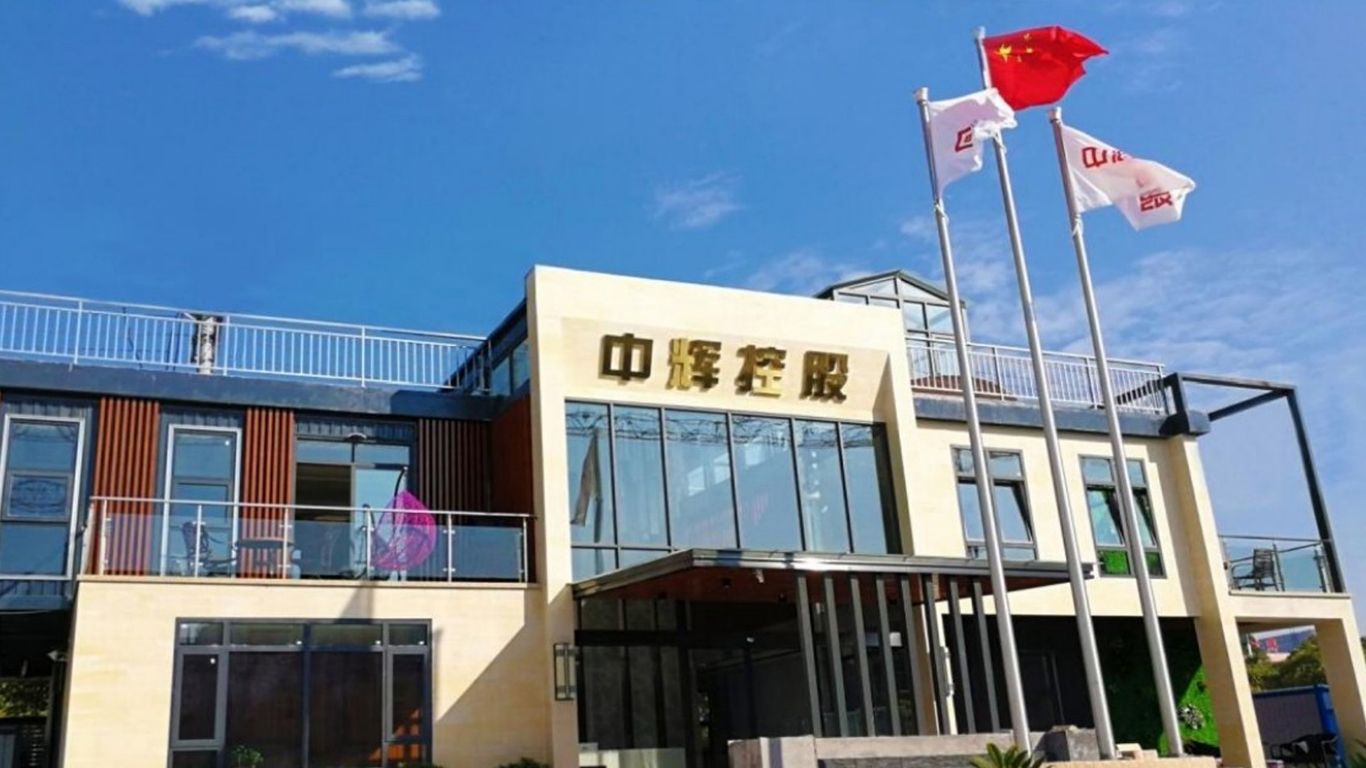
Located in the dynamic Guangzhou-Hong Kong-Macao Greater Bay Area, Foshan Zhonghui Green Building Integrated Housing Co., Ltd. is a comprehensive industrial enterprise. We integrate manufacturing, detailed engineering design, R&D, international sales, operation, and lifecycle service. Our goal is to provide B2B clients with one-stop, zero-risk modular container solutions.
Founded by a core technical team with over 15 years of continuous dedication, Zhonghui has constructed a robust network. We possess 46 invention patents and utility model patents, testifying to our technical expertise. Our accomplishments have earned prestigious accolades, including the Container Creativity Floater Award, the Consumer Top Ten Lovable Brand, and the Top 10 Influential Brands in the Modular Industry.

Choosing a container manufacturer requires examining technical specs. Below is the structural and mechanical blueprint of our core products engineered for the Philippines.
| Specification Parameter | Standard Flat-Pack System | Expandable / Z-Box System | Geothermal Heavy-Duty System |
|---|---|---|---|
| Primary Steel Frame | Q235B Cold-formed steel (3.0mm profiles) | Q355B Hot-dip galvanized structural profile | Q355B Steel frame + integrated structural core |
| Typhoon Resistance | Up to Category 4 (180 km/h) | Up to Category 5 (220 km/h) | Up to Category 5+ (250+ km/h) |
| Seismic Resistance Grade | Magnitude 7.5 (PGA 0.4g) | Magnitude 8.0 (PGA 0.5g) | Magnitude 8.2+ (PGA 0.6g) |
| Thermal Insulation | 50mm Glasswool / EPS sandwich panel | 75mm Polyurethane (PU) sandwich panel | 100mm PU / Rockwool with Geothermal barrier |
| Wall Panel U-Value | 0.45 W/m²K | 0.28 W/m²K | 0.18 W/m²K |
| Flooring System | 18mm Fiber cement + PVC flooring | 20mm MGO fireproof board + SPC flooring | 22mm Fiber cement + anti-static steel layer |
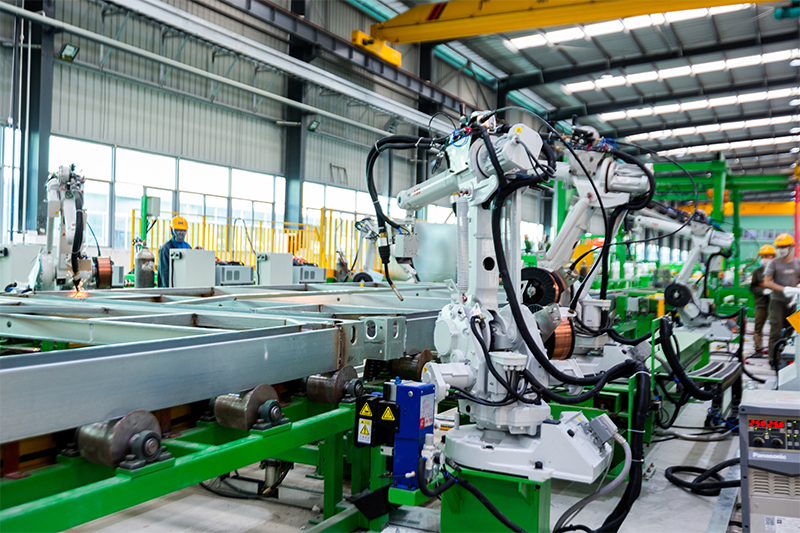
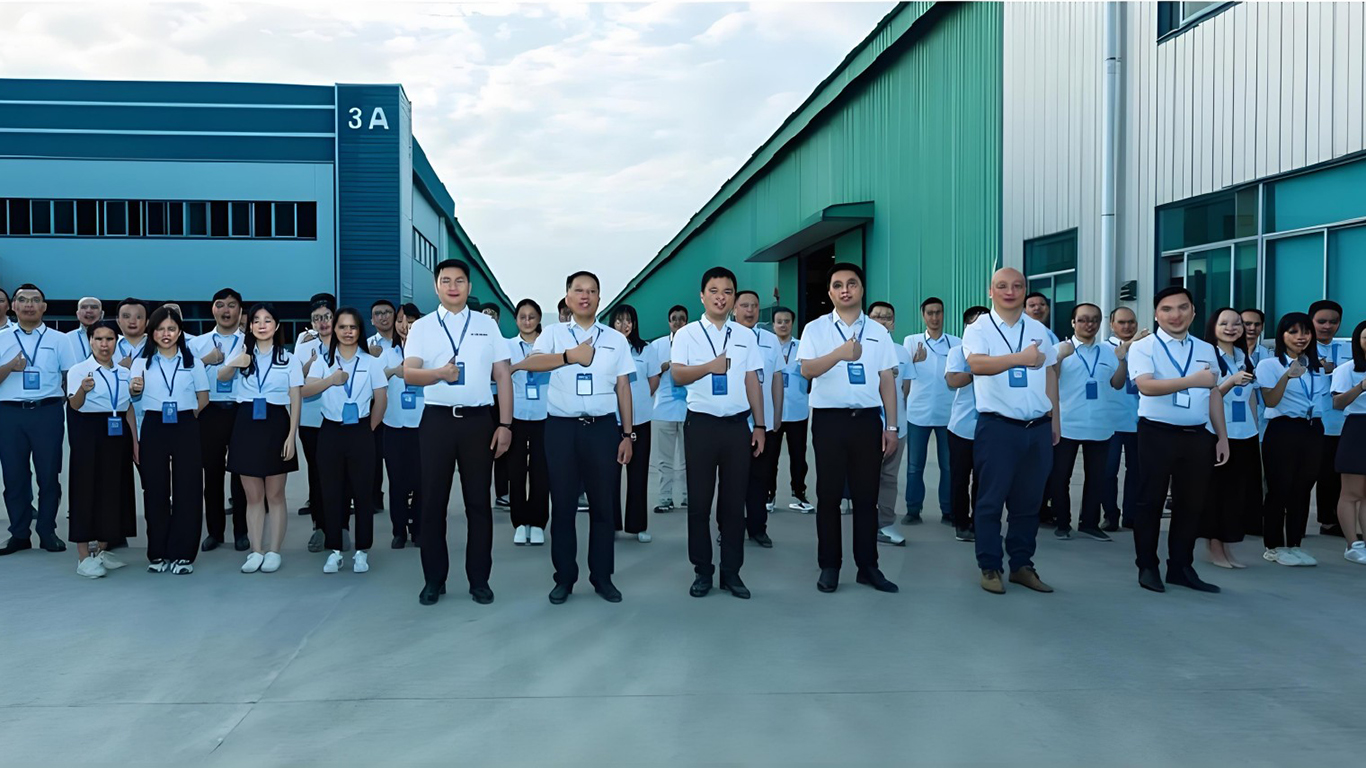
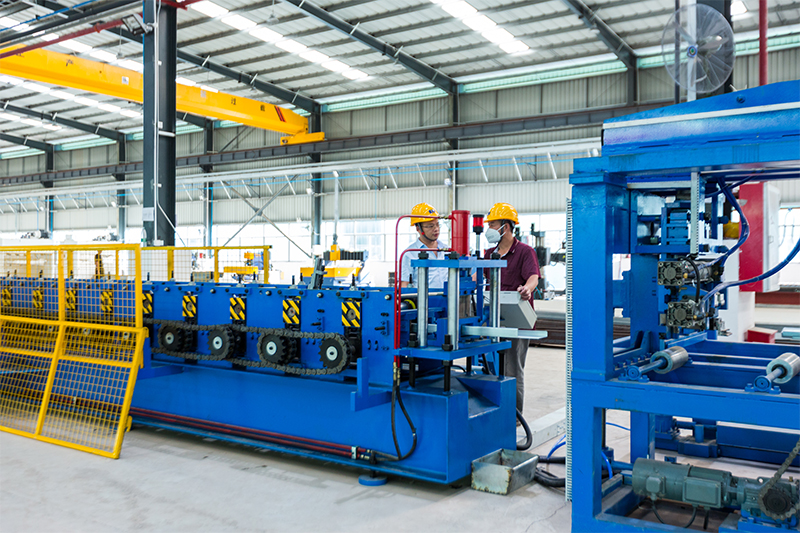
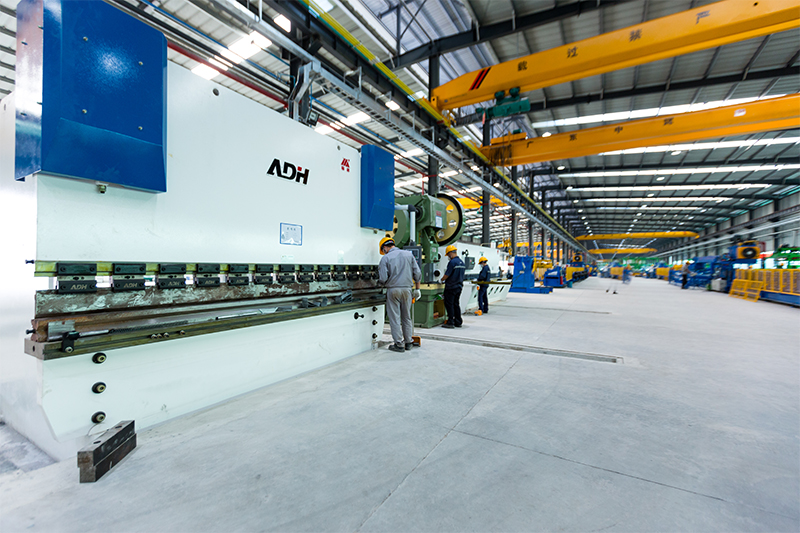
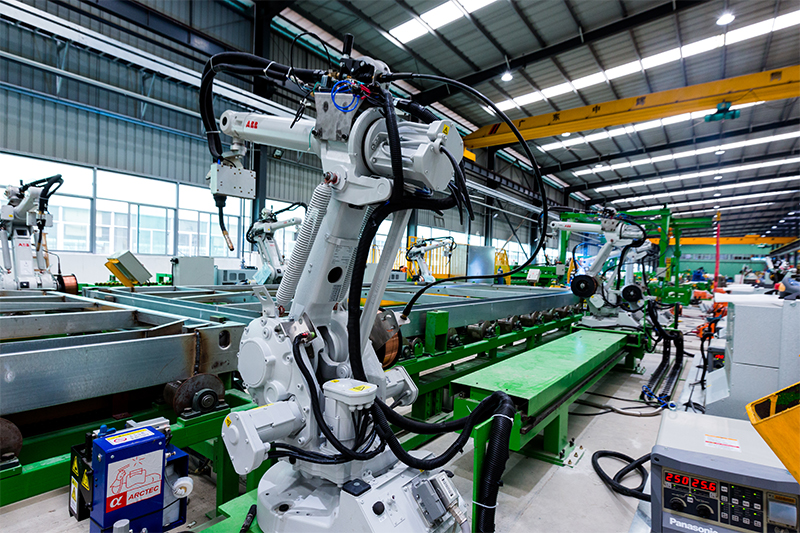
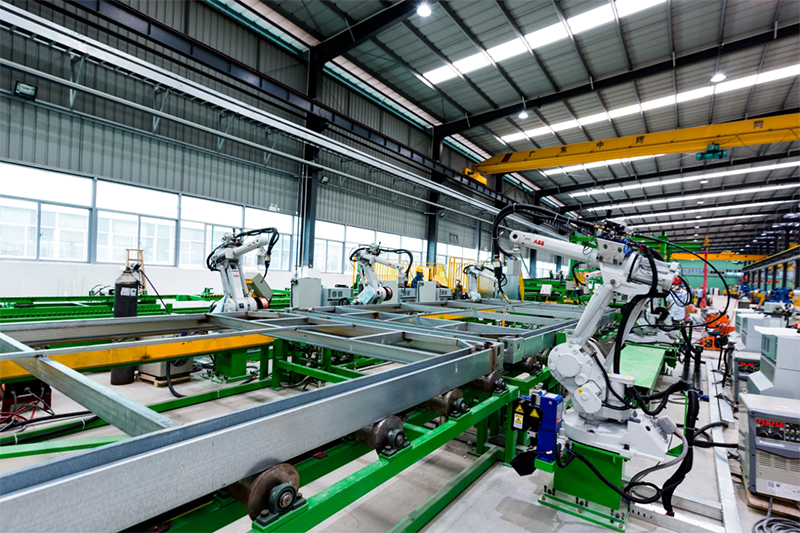
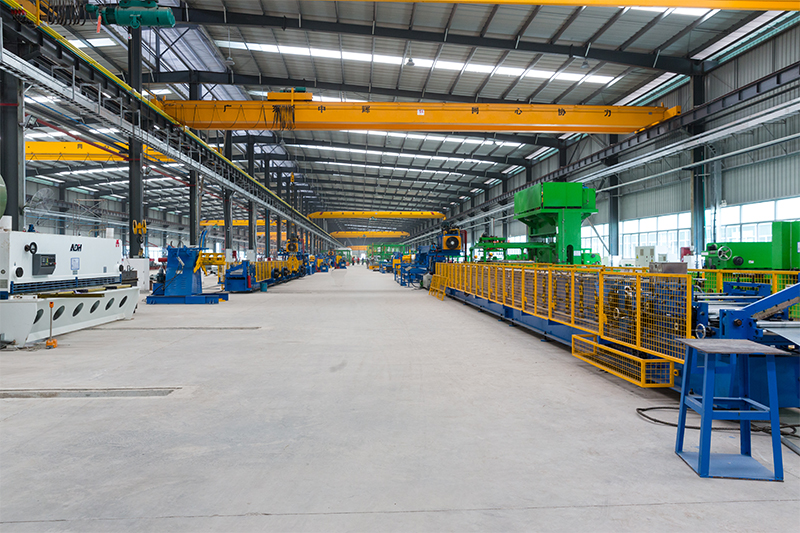
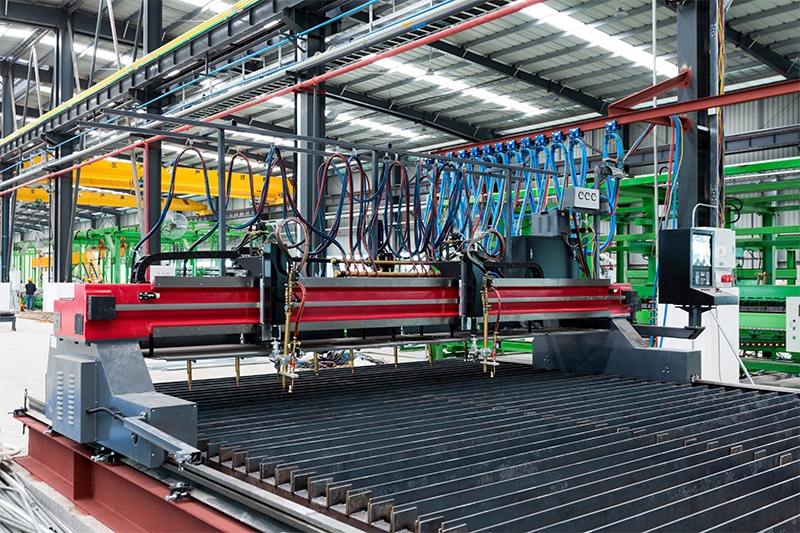
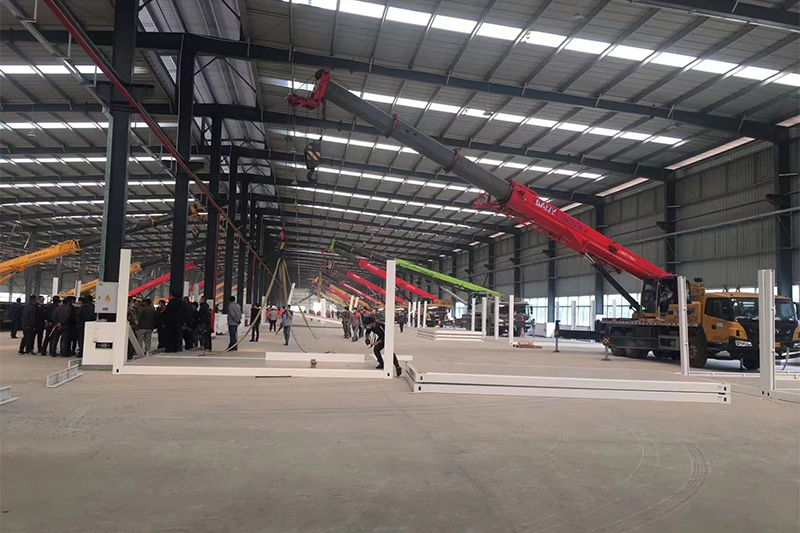
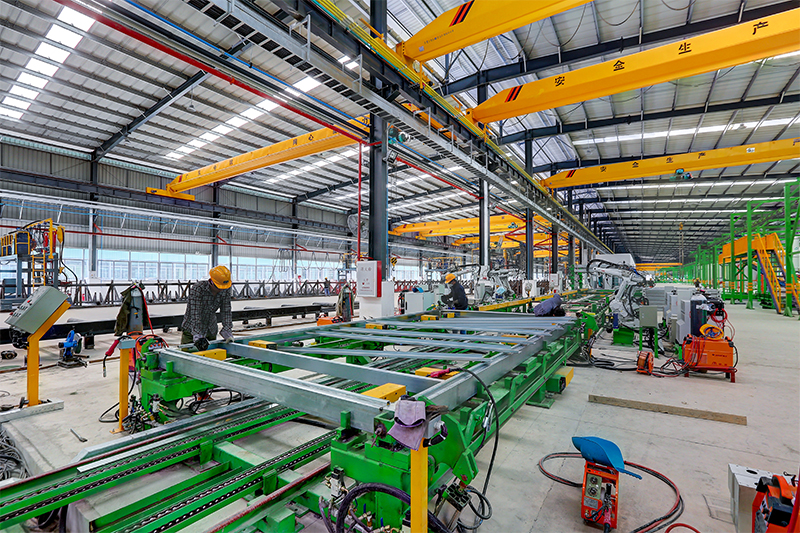
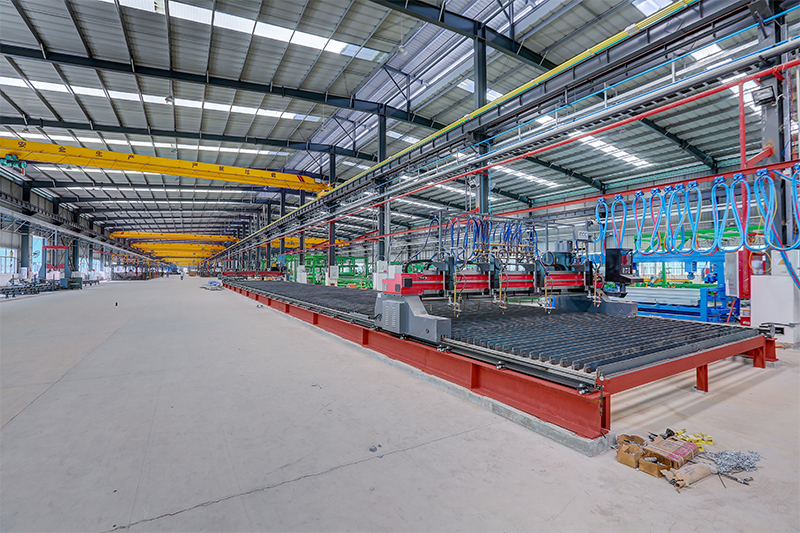
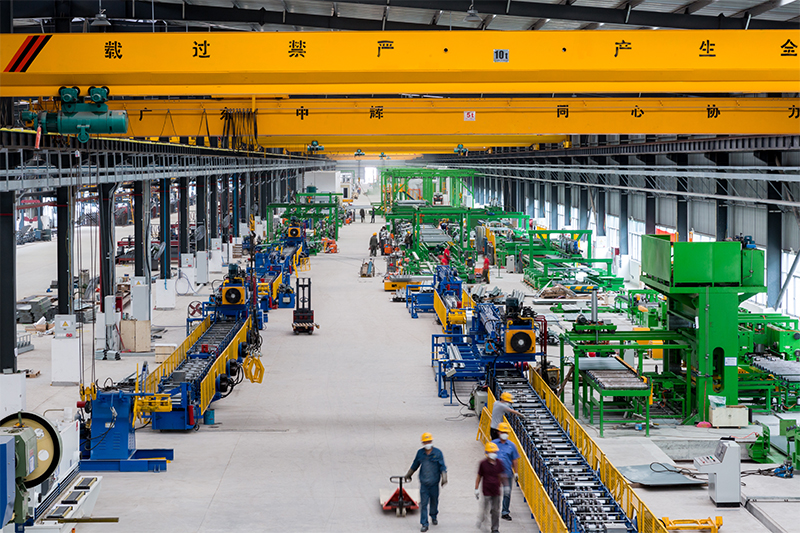
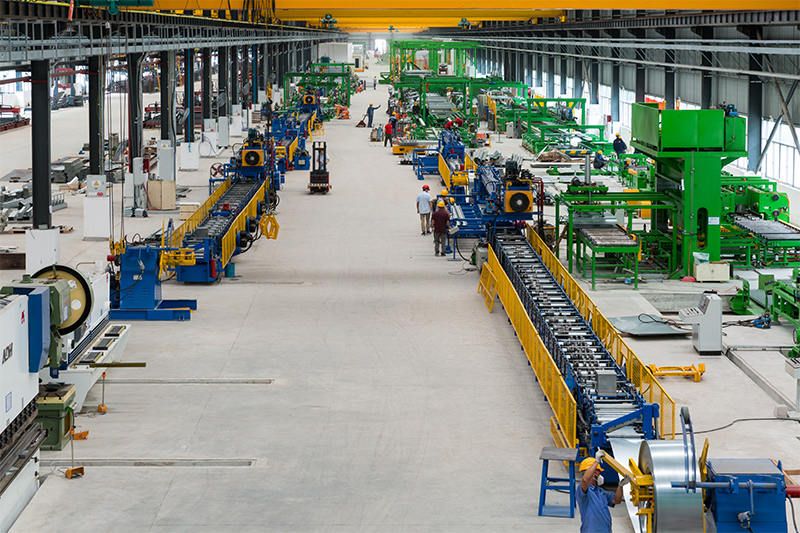
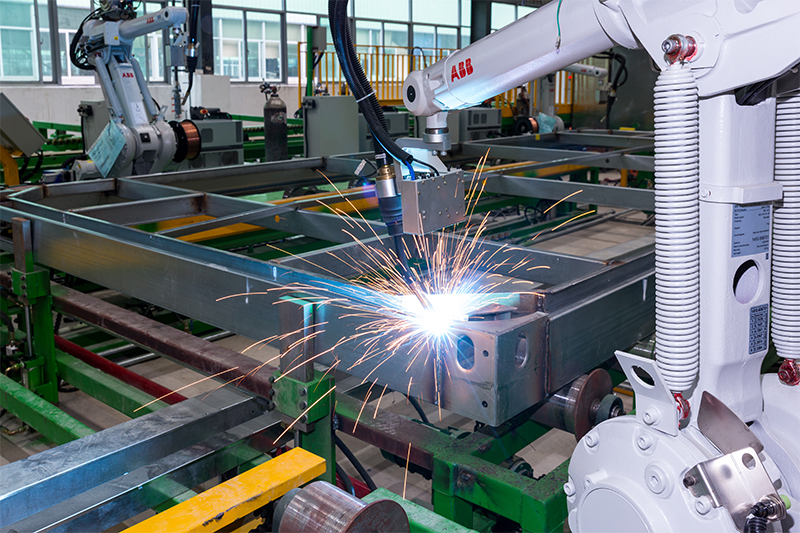
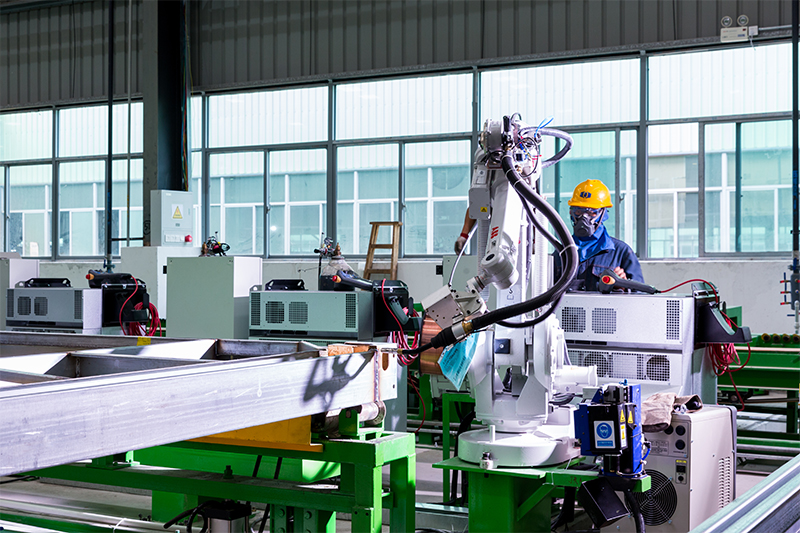
Equipped with state-of-the-art factories, high-speed automated robotic welding systems, and structural stamping machines, we guarantee dimension stability, precise fabrication, and rapid lead times for volume institutional orders.
We provide comprehensive, end-to-end service. From early-stage site master planning and structural calculation reports to logistical coordination and site assembly installation guides, our engineers protect your capital investment.
Backed by 46 national patents, we continually advance geothermal regulation, water-shedding roof systems, and structural framing. This research translates directly into longer life expectancies for buildings located in coastal environments.
We tailor layout configurations, interior architectural trims, insulation variables, window dimensions, and external claddings. This flexibility meets the specialized requirements of diverse commercial projects.
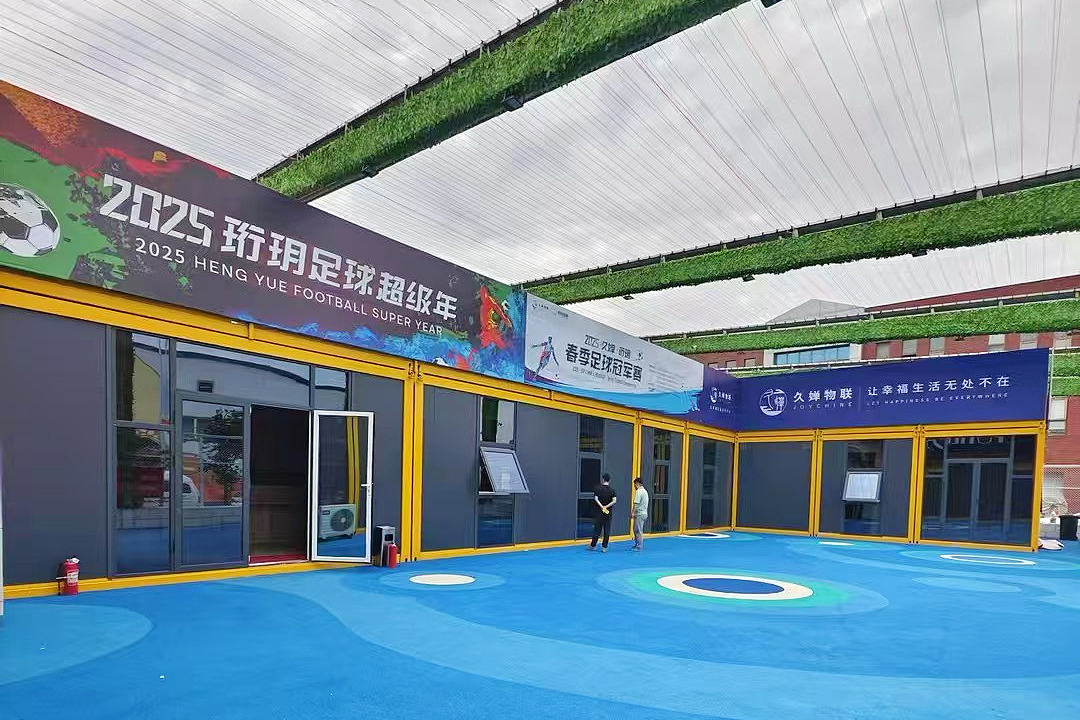
Zhonghui Green Building solutions operate across diverse commercial landscapes, from luxury sports venues to heavy industrial workshops.
Our structures allow swift implementation of custom stadiums, VIP lounges, locker facilities, and administrative headquarters. The project above highlights a Modular Football Club built using Zhonghui's structural systems.
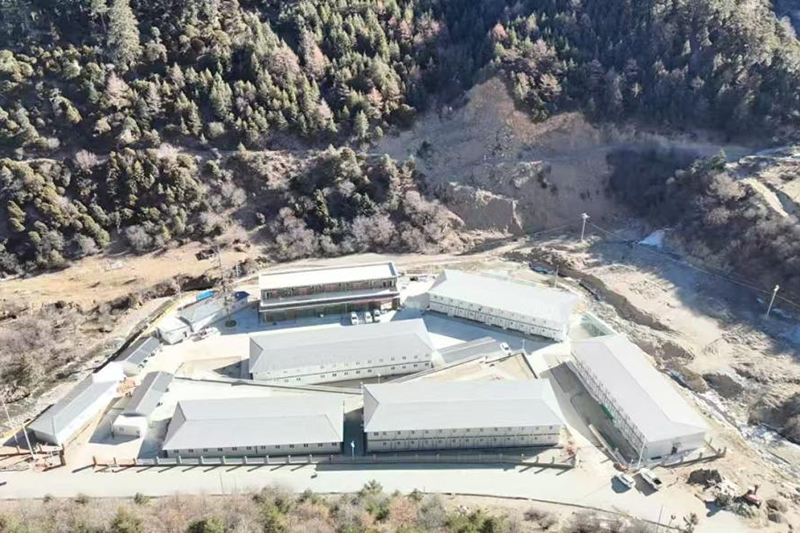
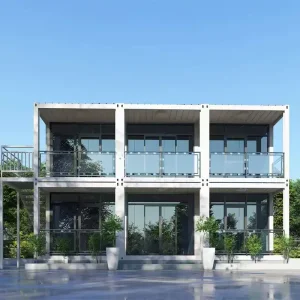
We provide durable housing structures designed for immediate local installation. These systems prioritize thermal insulation, fire protection, and spatial comfort, making them ideal for high-density applications.
Our heavy-duty modular units are engineered to serve as site headquarters, laboratory complexes, and automated data monitoring stations on active construction sites.
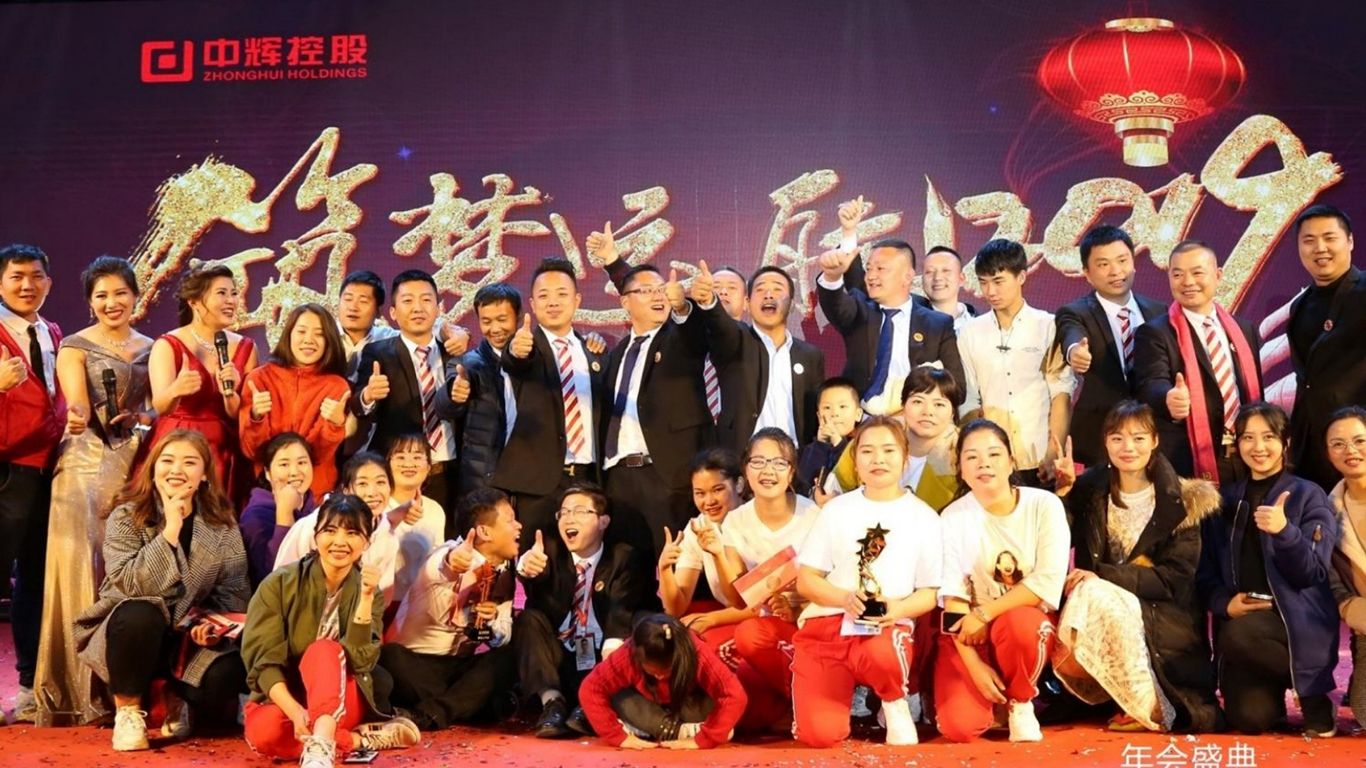
Our technical strength relies on continuous investment in human capital and strict adherence to international quality management protocols.
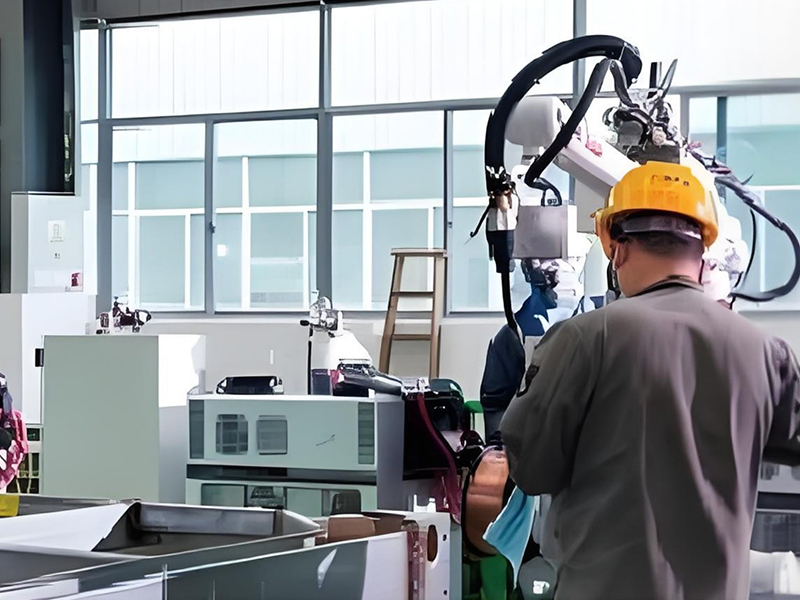
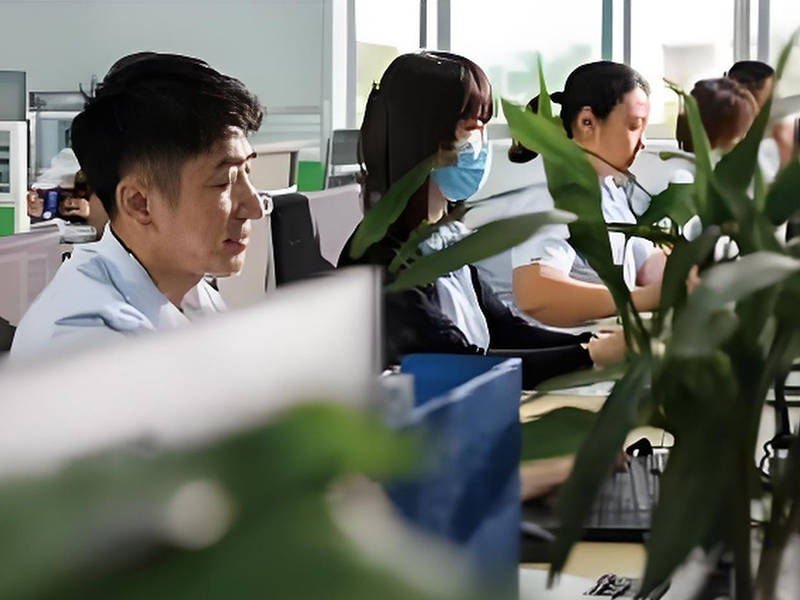
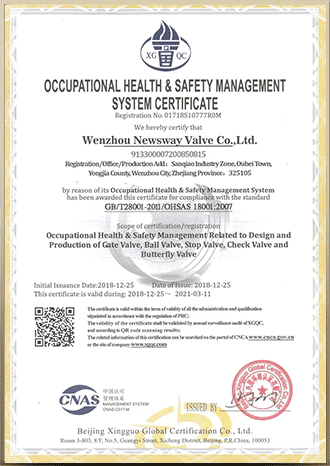
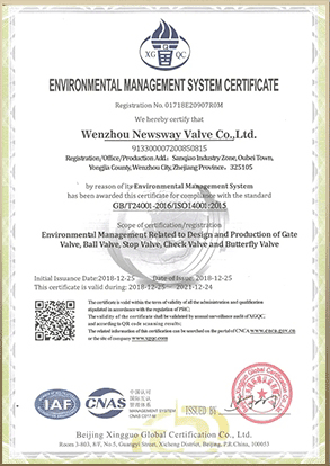
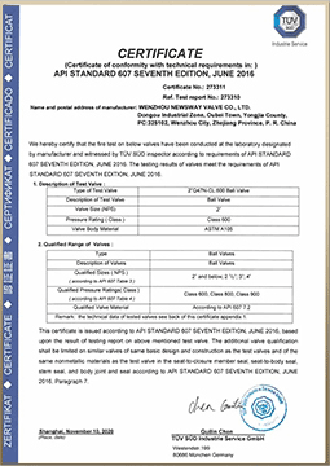
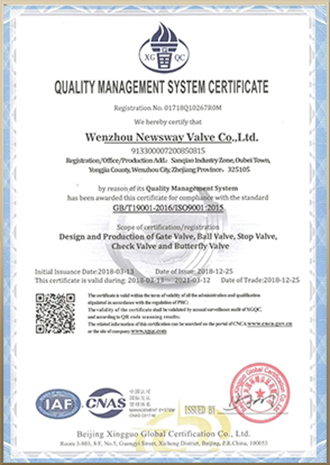
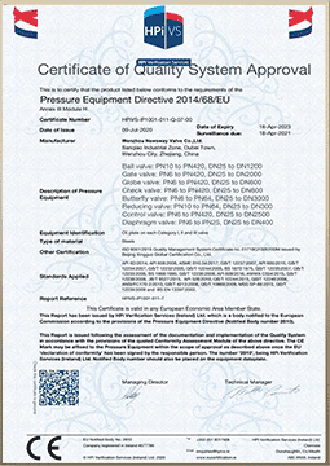
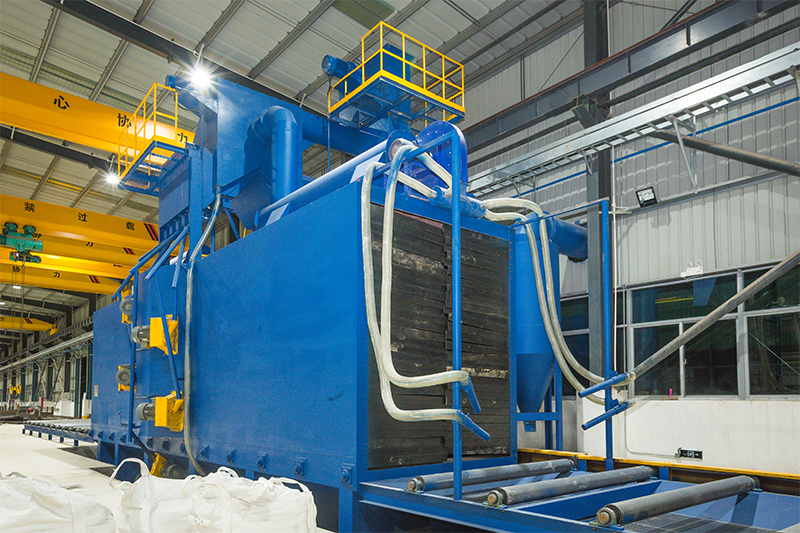
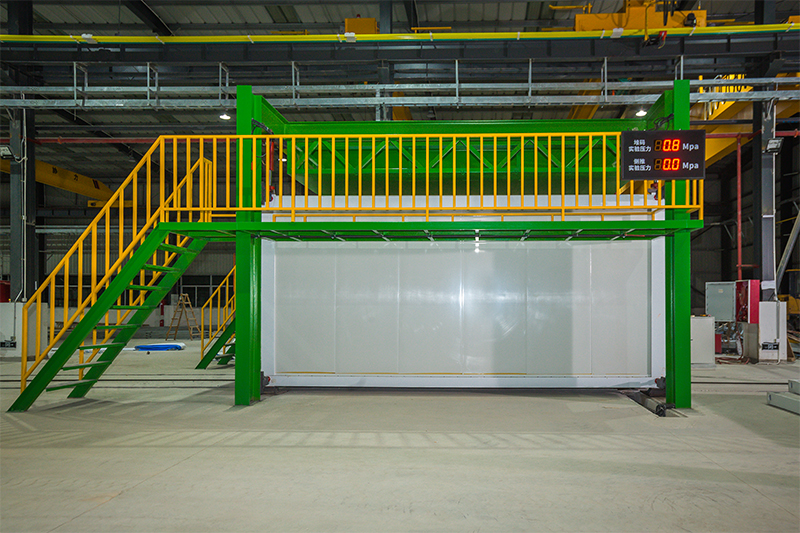
Our automated production base integrates steel profiling, surface rust prevention treatments, panel extrusion, and structural stress testing in a continuous assembly line.
Exporting structural modular frames to the Philippine market requires careful alignment with localized regulatory systems. B2B procurement officers must navigate customs compliance, structural verification, and regional logistical constraints to ensure project success.
Every structural modular system supplied by Zhonghui can be custom certified to comply with PD 1096 requirements. We provide full chemical and tensile stress test certificates for our structural steel components, easing approvals from local building officials.
For installations in humid, coastal environments like Palawan, Cebu, or Boracay, standard structural primer is insufficient. We apply multi-layer Epoxy Zinc-Rich coatings and high-durability polyurethane topcoats to prevent rust from salty air.
Since almost the entire Philippine archipelago sits within Seismic Zone 4, our structures feature specialized heavy-duty welded joints, high-tensile connection brackets, and ductile corner castings designed to absorb and dissipate lateral ground motions.
We coordinate flat-pack shipping through key entry points like Manila (MICP), Batangas, and Cebu Port. This strategic scheduling, combined with clear labeling, minimizes demurrage costs and speeds up customs clearance.
Our R&D roadmap focuses on carbon reduction, smart technology integration, and enhanced structural resilience for tropical markets.
Developing structural roofing panels with pre-wired PV connectors. This design enables fast installation of solar arrays without compromising the roof's waterproofing membranes.
Formulating advanced polyurethane foam densities to maximize thermal resistance while reducing structural weight. This update simplifies off-grid transportation and manual handling.
Refining our passive air systems to route cooling currents through modular steel floor framing, lowering active HVAC electricity demands by up to 35% in hot climates.


















Find detailed answers regarding mechanical design, logistics, custom configurations, and compliance requirements.
 ZHONGHUI HOLDINGS