Explore our highly-engineered modular structures, designed for heavy industrial use, rapid deployment, and structural resilience across diverse climatic conditions.
Analyzing structural integrity, spatial efficiency, and total cost of ownership in global logistical hubs.
In the era of dynamic global trade, rapid e-commerce expansion, and complex logistical networks, industrial infrastructure demands extreme flexibility, high durability, and economic viability. Wholesale steel warehouse buildings have emerged as the gold standard for global supply chains, presenting physical properties that far exceed conventional brick-and-mortar or timber construction. This white paper addresses the structural engineering, systemic design paradigms, and capital deployment strategies required by multinational corporations when evaluating pre-engineered steel buildings (PEB).
Traditional warehouses relied on standardized portal frames with little consideration for mechanical automation integration. Modern PEB systems integrate advanced Building Information Modeling (BIM) workflows directly into factory fabrication. This ensures that every column, girt, and purlin is optimized for structural load, dynamic machinery forces, and localized environmental hazards, yielding a 25% reduction in material waste and accelerating on-site installation schedules by up to 40%.
A high-performance steel warehouse building relies on a precise hierarchy of load-bearing structural members. The primary frame consists of solid-web built-up I-sections or hot-rolled structural steel columns and rafters (commonly utilizing ASTM A572 Grade 50, GB Q355B, or EN S355JR structural steel grades). These components are designed using Finite Element Analysis (FEA) to endure dead loads, live loads, seismic events, and localized wind pressure thresholds.
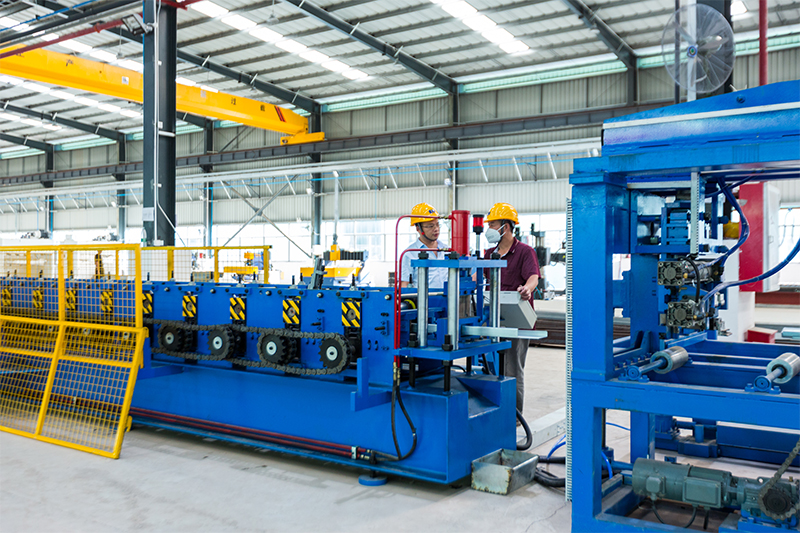
Secondary structural members include cold-formed Z-sections and C-sections serving as roof purlins and wall girts. By cold-forming high-strength steel (typically galvanized to ASTM A653 with coatings ranging from Z275 to Z450), manufacturers achieve an incredibly high strength-to-weight ratio, allowing for vast column-free interior spans (clear-span layouts up to 90 meters). This structural configuration eliminates internal columns, maximizing the floor layout for high-density racking systems, automated storage and retrieval systems (ASRS), and dynamic logistics routing.
Unpacking the supply chain mechanics, automated fabrication, and geographic clusters that drive global competitiveness.
China's dominance in structural steel prefabrication is not merely a product of labor economics; it is the result of a highly integrated industrial ecosystem, massive capital investment in automation, and strategic proximity to critical logistics ports. Factories located in the Guangdong-Hong Kong-Macao Greater Bay Area (such as the core manufacturing installations of Foshan Zhonghui Green Building Integrated Housing Co., Ltd.) operate within a rapid supply-chain matrix that connects raw steel production, advanced surface treatments, and marine shipping logistics within a 100-kilometer radius.
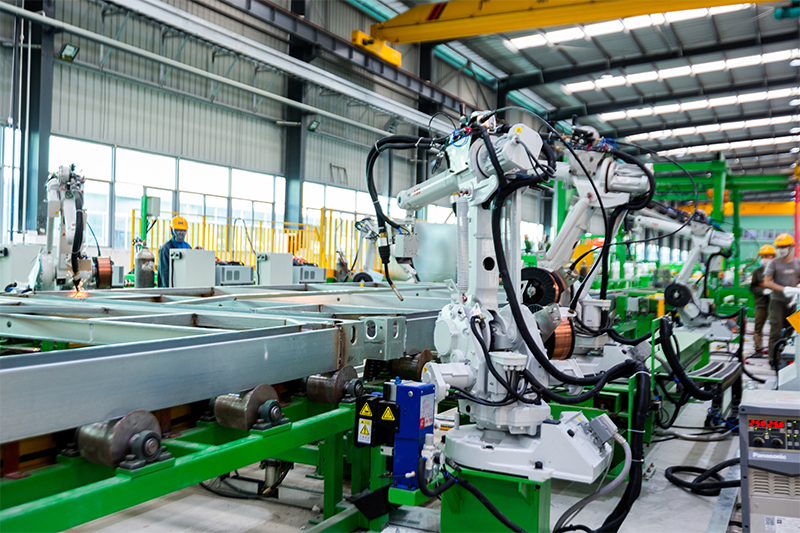
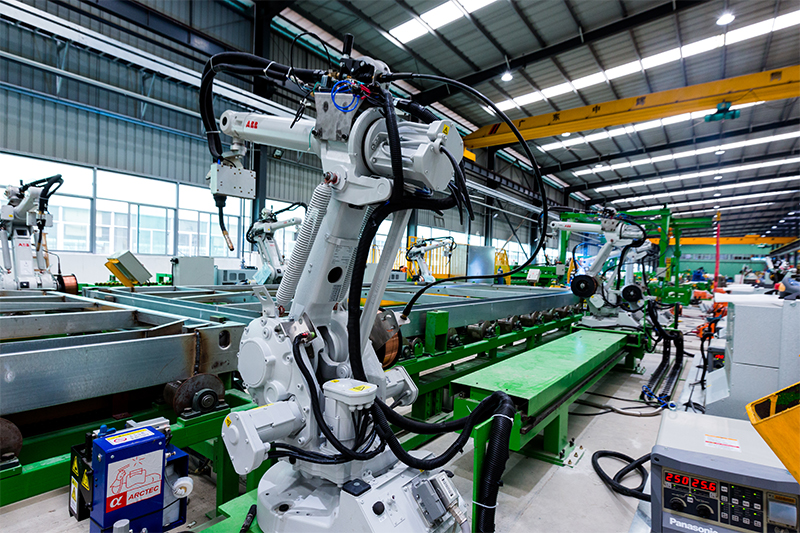
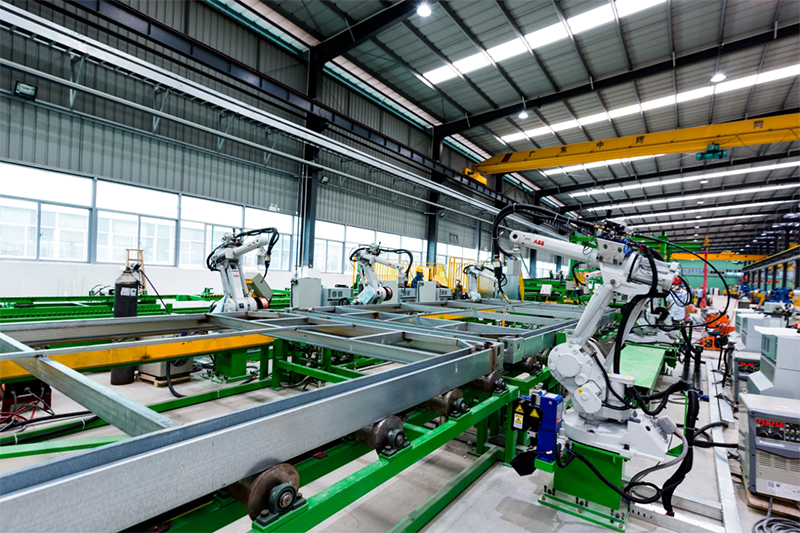
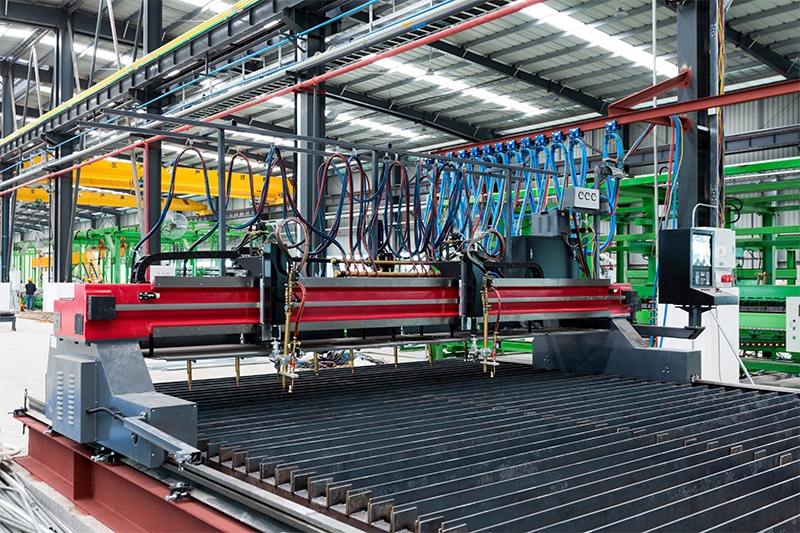
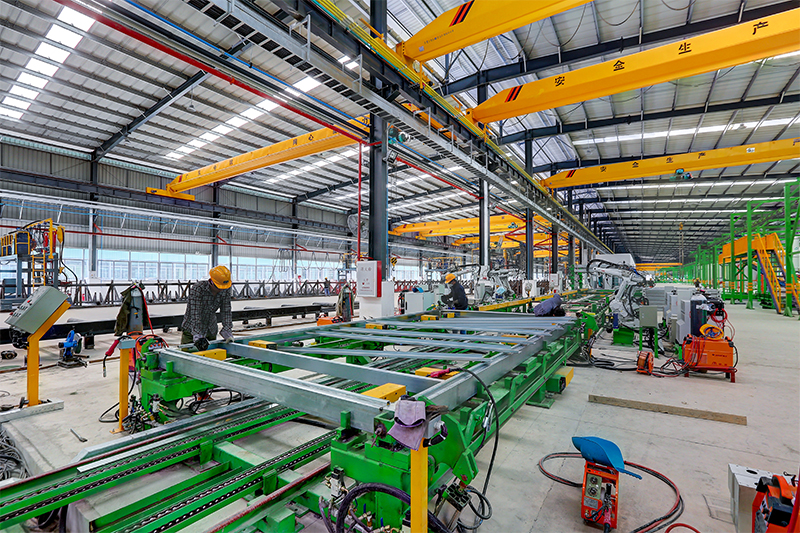
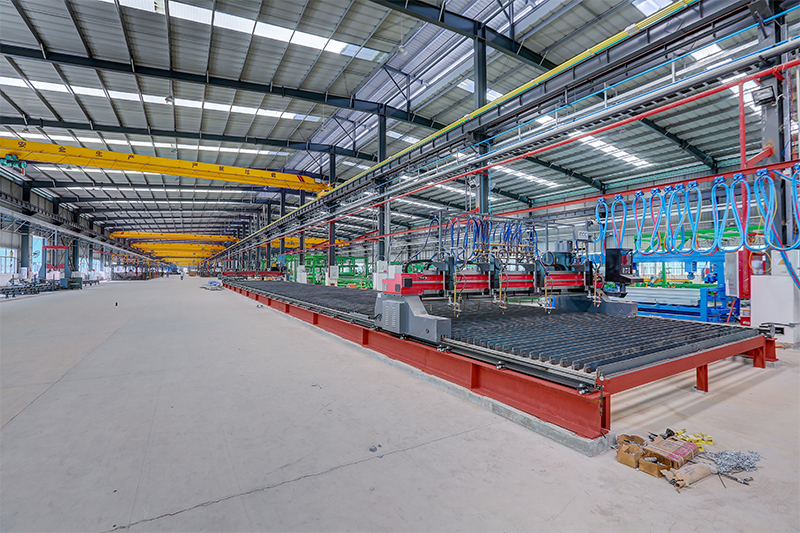
This localized synergy allows Chinese steel fabrication facilities to source high-grade plate steel instantly, execute computerized cutting via multi-head CNC plasma cutters, automate beam welding through submerged arc welding (SAW) stations, and perform precision shot-blasting and anti-corrosion coating application under climate-controlled factory environments. The result is a highly predictable, repeatable fabrication quality that meets strict international standards (AISC, EN, AS/NZS) at an optimized cost-basis.
An analysis of decarbonization, digital twins, and integration of modular architectural systems.
Under pressure from global scope 3 emission mandates, the steel building sector is transitioning to electric arc furnace (EAF) steel, which utilizes up to 95% recycled steel scrap. Additionally, applying solar-reflective cool coatings (such as high-durability PVDF coatings) reduces heat island effects, significantly lowering HVAC energy demands in high-volume distribution centers.
Modern procurement strategies leverage BIM Level 3 designs, where structural data integrates seamlessly with structural analysis software (e.g., Tekla Structures). This creates a cloud-based digital twin utilized during fabrication, construction phase management, and subsequent life-cycle facilities management, minimizing field modifications.
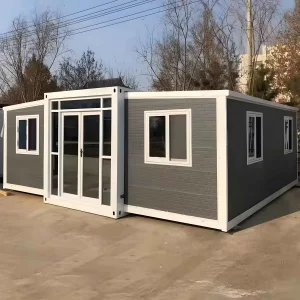
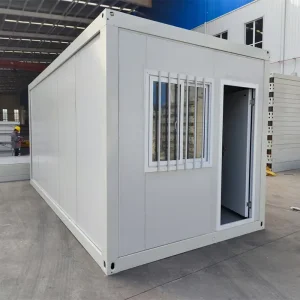
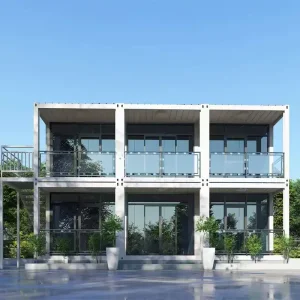
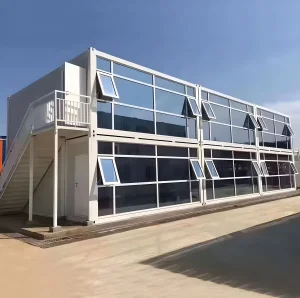
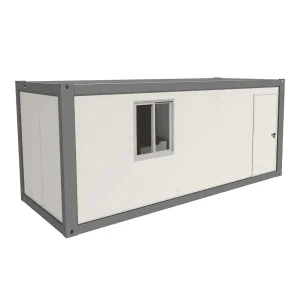
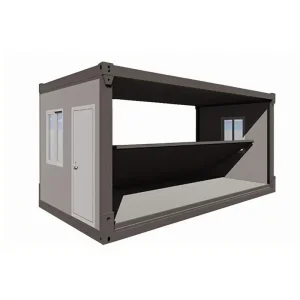
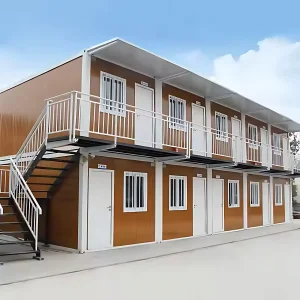
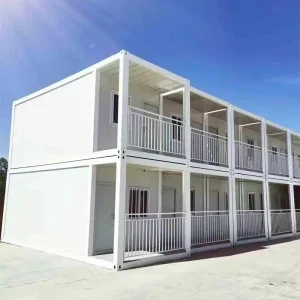
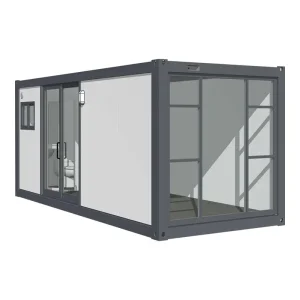
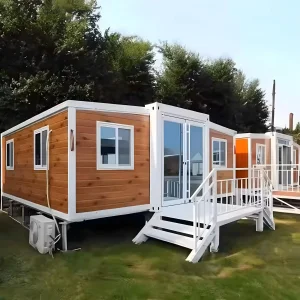
The industry is actively shifting from basic portal frames to modular hybrid systems. Large-span structural steel frames are integrated with specialized, pre-assembled container offices, luxury expandable living zones, and quick-build modular components (like Z-Box panels) to create multi-functional industrial complexes.
How modern steel buildings are designed to withstand extreme wind, seismic events, and harsh chemical environments.
A critical mistake in global procurement is purchasing a "one-size-fits-all" warehouse structure. Wind, snow, seismic activity, and atmospheric salinity differ radically by region. Engineering structural steel to meet localized codes (AISC 360, Eurocode 3, AS1170) is imperative to prevent structural failure and secure local zoning permits.
| Region / Scenario | Environmental Factors | Engineering Mitigation Requirements | Material Specification Recommended |
|---|---|---|---|
| Coastal / High-Salinity (e.g., Caribbean, Middle East) | Extreme salt fog, high humidity, C5 corrosive class environment. | Hot-dip galvanizing (HDG) minimum thickness 85 microns, or dual-coat epoxy system. Use of stainless steel fasteners. | Structural steel with fluorocarbon (PVDF) coated cladding panels. |
| Seismic Zones (e.g., Chile, Japan, California) | Frequent earthquake tremors, shifting soils, high peak ground acceleration (PGA). | Designed with ductile moment-resisting frames (DMRF) or concentrated braced frames (CBF). Dynamic soil interaction modeling. | Q355D steel with high impact toughness at low temperatures; high-grade tension bolts. |
| Hurricane-Prone (e.g., Gulf Coast USA, Florida, East Asia) | Wind speeds exceeding 250 km/h, flying debris impact risks. | Increased wind uplift resistance designs; robust portal bracing; structural sheeting with heavy-gauge screw patterns. | Thicker cladding gauges (0.5mm - 0.6mm steel sheet), high-tensile structural bolts. |
| Sub-Arctic / High Snow (e.g., Canada, Scandinavia) | Extremely high roof snow loads (ground snow load > 3.0 kPa), sub-zero brittle fracture risk. | Steep roof pitch designs (prevent snow accumulation); increased purlin spacing frequency; thermal break insulation systems. | Impact-tested steel grades (Q345D/E or S355NL) to prevent low-temperature embrittlement. |
Tailored structural configurations designed to meet specific vertical industry requirements.
Requires absolute thermal integrity. Structural frames are engineered inside or wrapped by heavy polyurethane sandwich panels (PIR core). Integrated foundations incorporate floor heating grids to prevent sub-soil freezing and subsequent frost heave, with custom structural detailing at all docking interfaces.
Designed with integrated overhead crane girders (ranging from 5 to 50-ton capacities). Structure columns are reinforced to absorb dynamic vertical and horizontal braking forces. High-bay designs accommodate specialized ventilation systems, dust scrubbers, and industrial mezzanine floor systems.
Optimized for logistics throughput. Incorporates wide-span grid spacing (e.g., 8m x 12m or wider) to accommodate racking layout requirements. Wall structures integrate rapid-action dock doors, leveler systems, and modern exterior perimeter security canopies.
Navigating the complex sourcing landscape: inspections, certification verifications, and freight optimization.
For international procurement directors, importing prefabricated steel warehouse buildings represents a high-capital transaction that requires strict quality gates. To mitigate risks, corporate purchasing protocols must establish robust Quality Assurance (QA) and Quality Control (QC) frameworks directly at the factory floor in China.
The evaluation checklist must start with raw material traceability. Mill Test Certificates (MTC) matching the chemical and physical characteristics of the steel heats must accompany every shipment. Welding procedures must comply with AWS D1.1 (American Welding Society) or ISO 3834. Non-Destructive Testing (NDT) reports, including ultrasonic testing (UT) on full-penetration butt welds and magnetic particle testing (MT) on critical fillet joints, should be audited by third-party inspectors (e.g., SGS, Bureau Veritas).
Prefabricated steel columns can be exceptionally long or heavy. Sourcing partners must optimize container loading plans. While standard structural members fit in 40ft High Cube (HC) containers, larger built-up columns require Open Top (OT) or Flat Rack (FR) containers. To control ocean freight costs, smart factory designers build structural columns with bolted splices, allowing shipping inside standard 40ft dry vans without compromising structural performance.
A deep dive into pricing variables, raw material metrics, and total cost of construction estimation.
Industrial steel warehouse pricing is highly dynamic, fluctuating based on global hot-rolled steel coil indices, transport logistics rates, and customization complexity. Rather than relying on static per-square-meter estimates, sophisticated buyers evaluate pricing based on structural weight, material grade, and component breakdowns.
| Component / Factor | Estimated Cost Range (USD / Metric Ton) | Influence on Total Price | Cost Optimization Strategy |
|---|---|---|---|
| Primary Structural Frame (Columns & Rafters) | $850 - $1,150 | 40% - 50% | Optimize span spacing to reduce total steel weight per square meter. Utilize built-up variable cross-section beams. |
| Secondary Frame (C/Z Purlins, Rod Bracing) | $900 - $1,250 | 15% - 20% | Specify pre-galvanized structural elements to eliminate post-fabrication hot-dip galvanization costs. |
| Cladding Systems (Sandwich Panels vs. Single Sheet) | $12 - $35 (per Sq. Meter) | 15% - 25% | Select panel insulation thickness (EPS, Rockwool, PU) relative to actual local climate needs; do not over-specify thermal barriers. |
| Surface Treatment (Anti-Corrosion Painting / Galvanizing) | $80 - $220 | 5% - 10% | Specify alkyd primer systems for dry, inland climates; reserve high-cost hot-dip galvanization for high-humidity coastal zones. |
| Structural Accessories (High-strength Bolts, Trim, Flashing) | $150 - $300 (bulk lot) | 5% | Ensure packaging lists match exact hardware allocations to prevent expensive local purchasing during assembly. |
Note: The pricing metrics detailed above represent approximate wholesale factory export ranges from South China hubs. Comprehensive structural engineering calculations matching localized site loads must be conducted to establish definitive project estimates.
Your premier global supplier for high-performance prefabricated steel and integrated modular solutions.
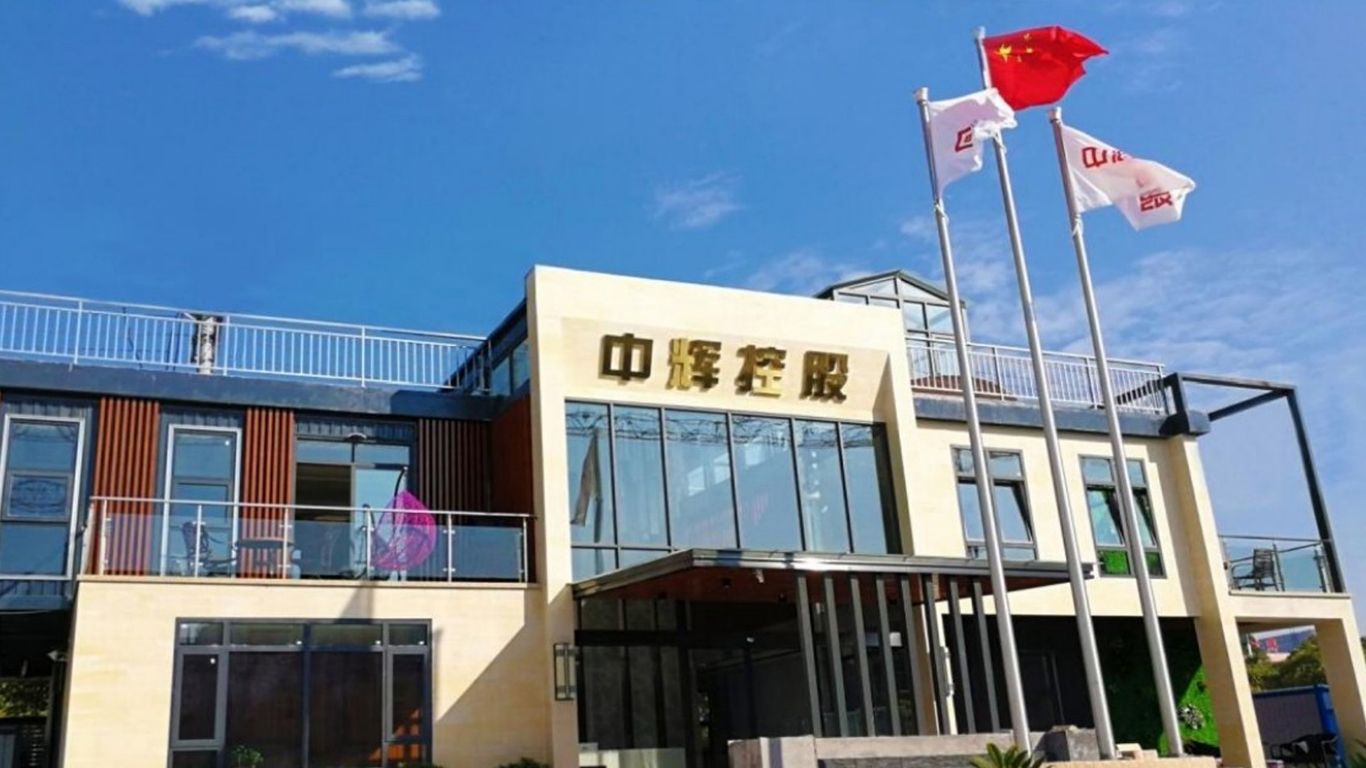
Located in the heart of the Guangdong-Hong Kong-Macao Greater Bay Area, with sales and design integration centered in Guangzhou, Foshan Zhonghui Green Building Integrated Housing Co., Ltd. is a multi-disciplinary enterprise specializing in the design, research, development, fabrication, sale, and global operation of structural steel buildings and integrated box rental systems.
Our core founding team brings 15 years of industry experience to the table, developing a robust intellectual property portfolio that currently boasts 46 invention patents and utility model patents. Over the years, Zhonghui has received prestigious recognition, including the *Container Creativity Floater Award*, *Consumer Top Ten Official Love Brand*, and the *Industry Top Ten Influential Brands*, cementing our status as a trusted brand in China's prefabricated residential and commercial structure industry.
Zhonghui's housing service outlets follow our parent company's global expansion program. We have established large-scale manufacturing installations and dedicated sales operation service centers in major economic hubs, including Shanghai, Hefei, Hangzhou, Nanjing, Suzhou, Fuzhou, Haikou, Sanya, Guangzhou, Shenzhen, Foshan, Zhuhai, Shaoxing, Dongguan, Zhongshan, Jiangmen, Huizhou, Changsha, Chengdu, and Chongqing. Our newly launched "no-deposit, no-freight-sharing" operation model demonstrates our commitment to low capital barriers, safety, and client-first business relationships.
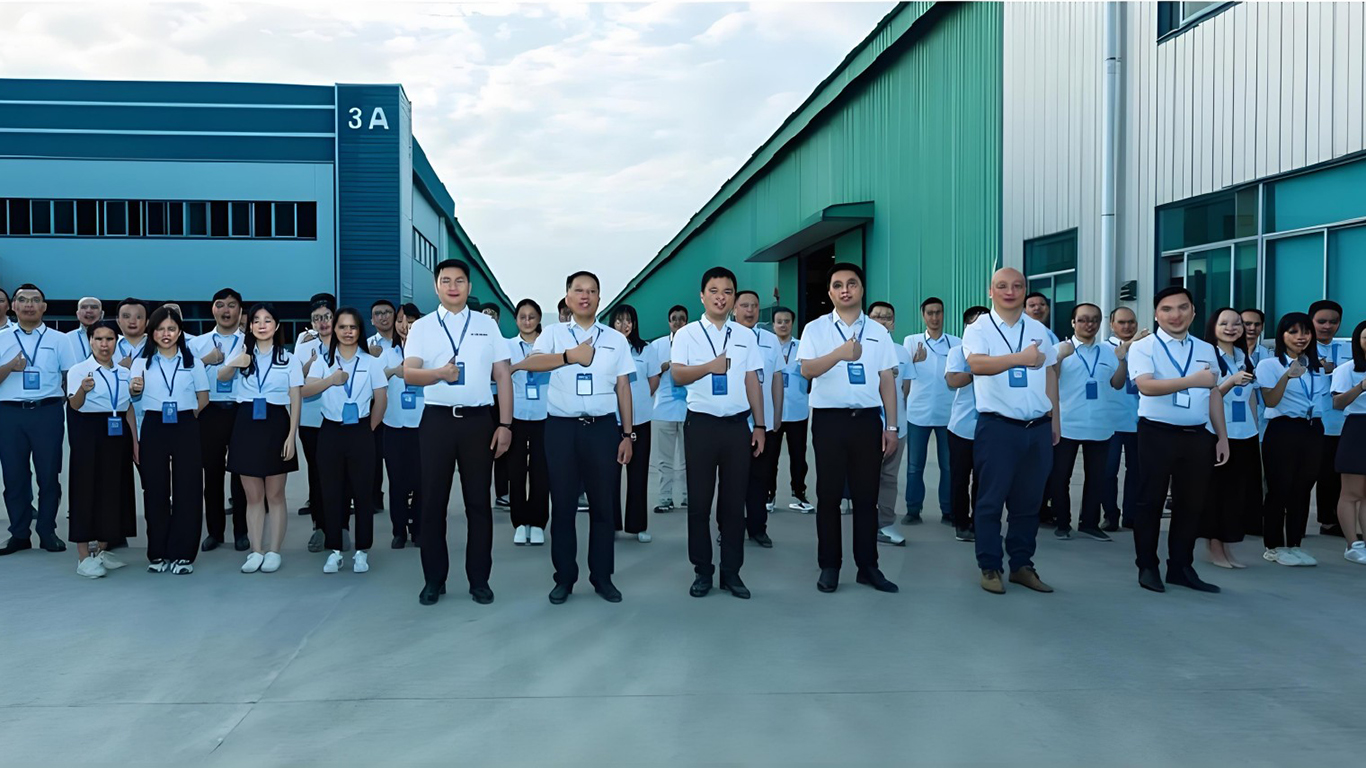
Our professional design, engineering, and manufacturing management teams are the backbone of our operation, translating complex client drawings into structural steel masterpieces.

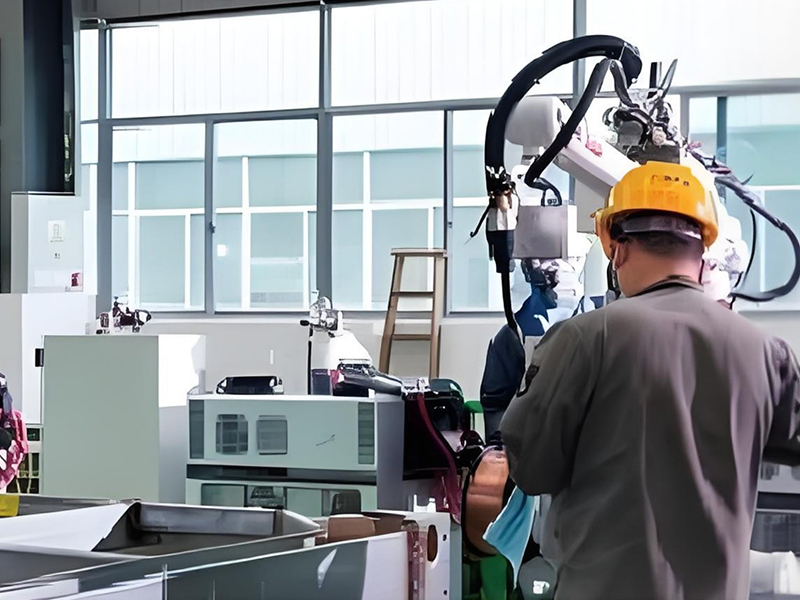

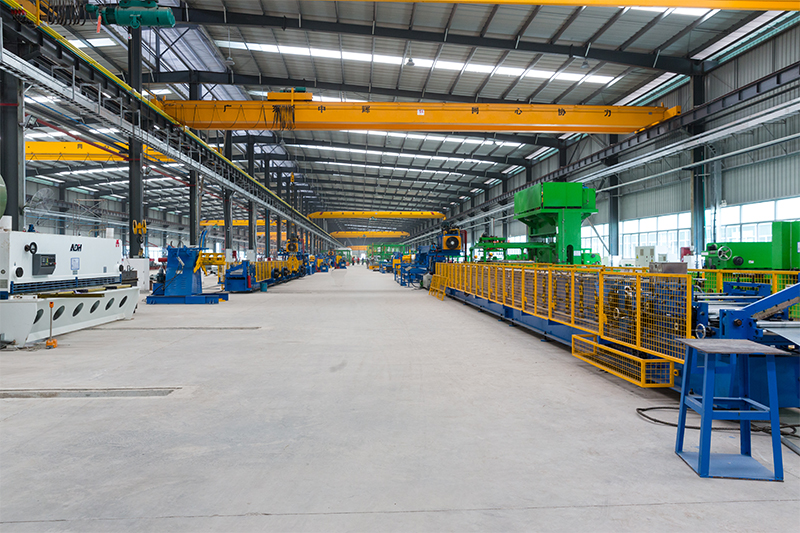
Our commitment to rigorous design quality is validated by 46 national patents and international certifications.
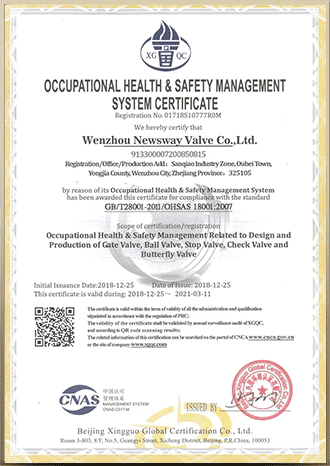
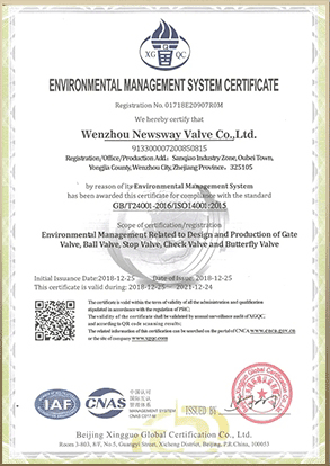
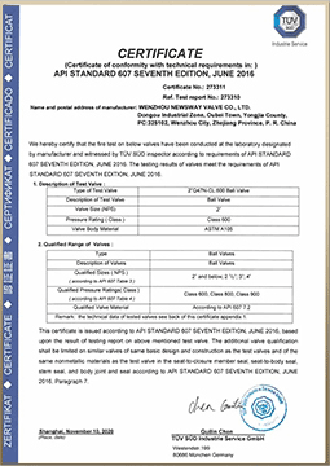
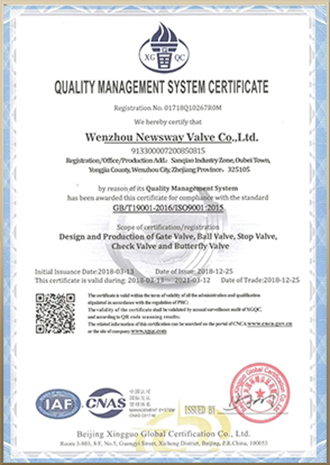
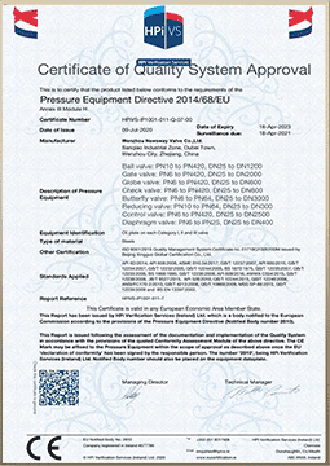
Our structural solutions are trusted by leading engineering conglomerates and supply chain developers globally.

















Our structural design experience translates across commercial sports arenas, logistical distribution systems, and modular workforce complexes.
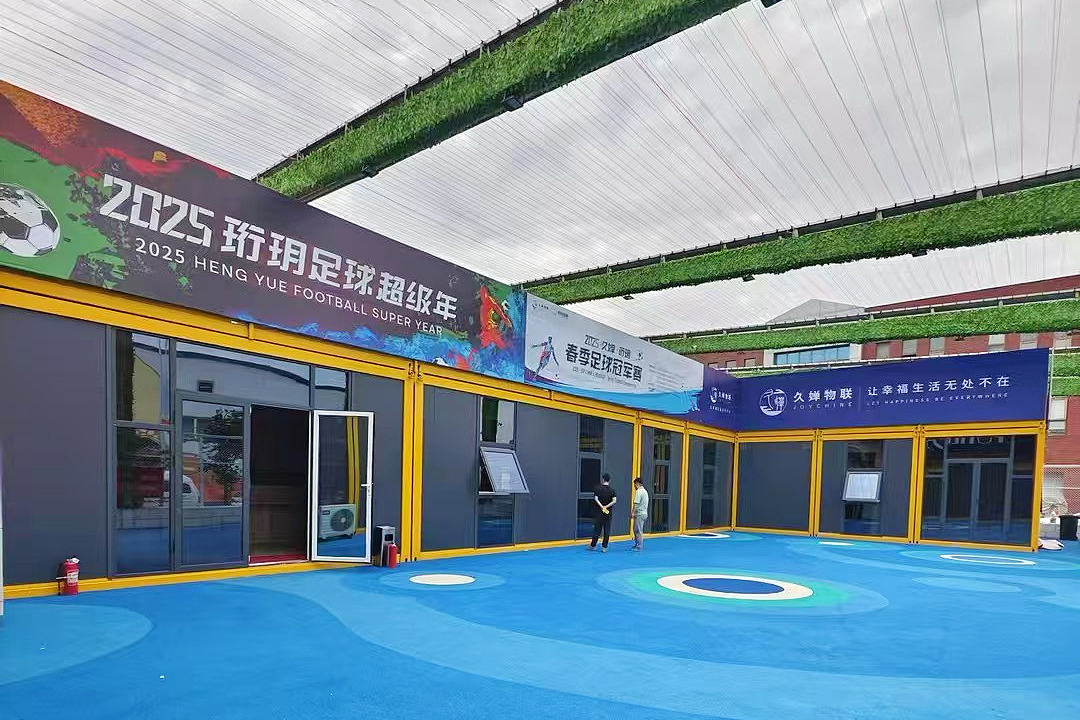
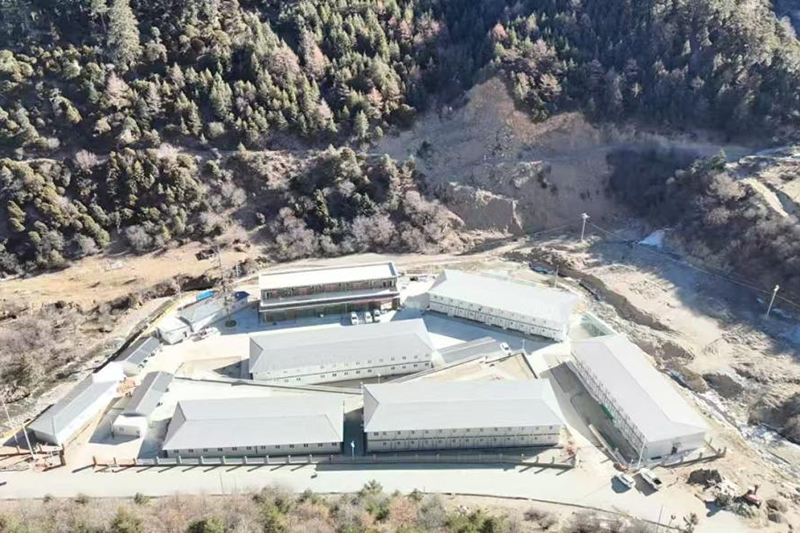
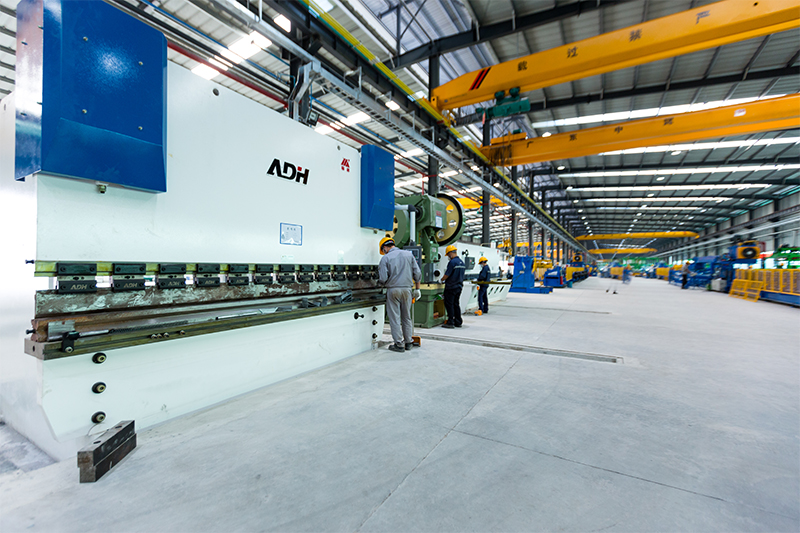
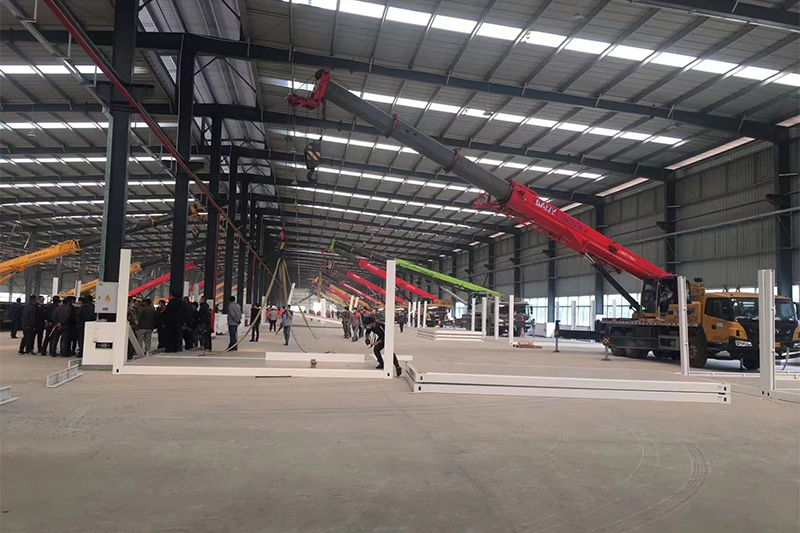
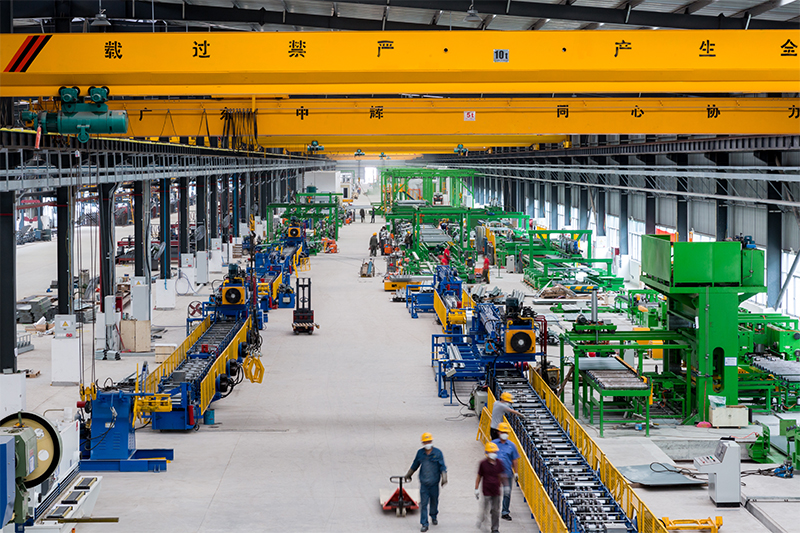
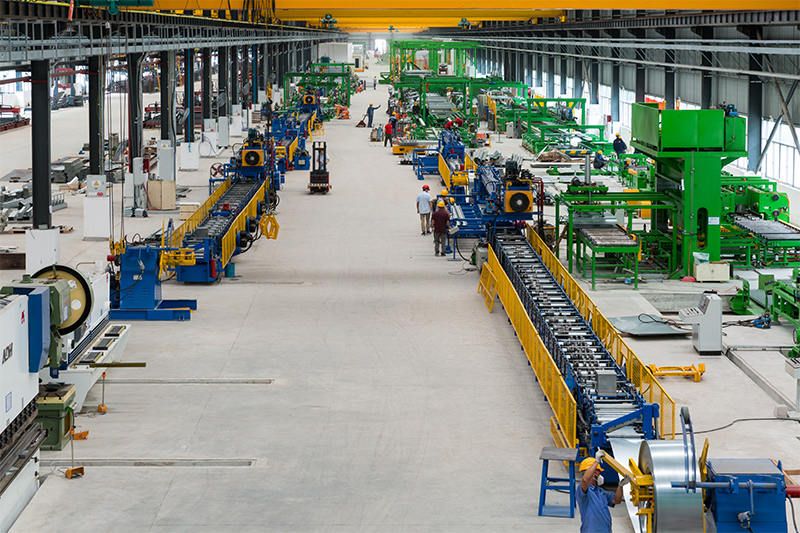
A physical tour of our manufacturing processes, including CNC beam fabrication lines, component cold-forming, and painting booths.
Expert answers addressing structural design, procurement metrics, and environmental configurations.
Select from our structural catalog below, optimized for high load-bearing capacity, commercial efficiency, and quick modular integration.
 ZHONGHUI HOLDINGS