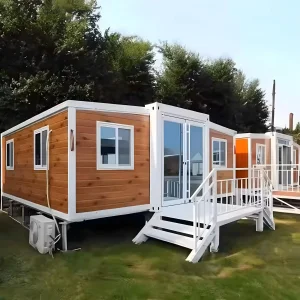
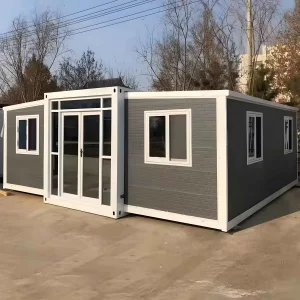
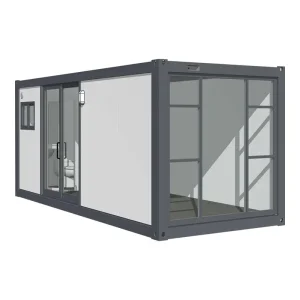
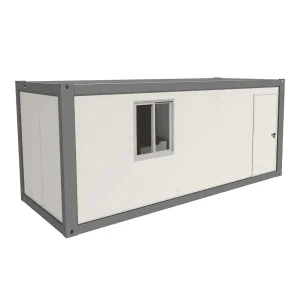
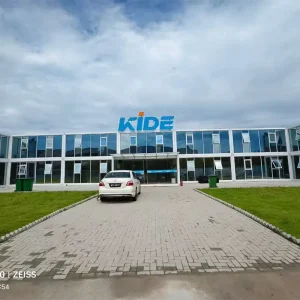
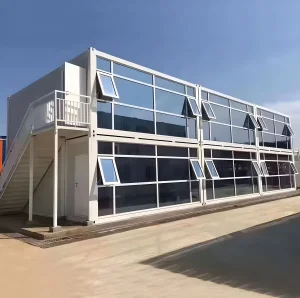
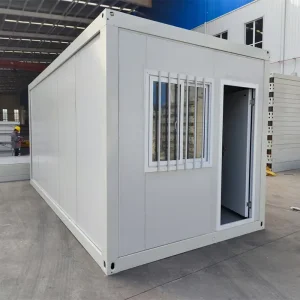
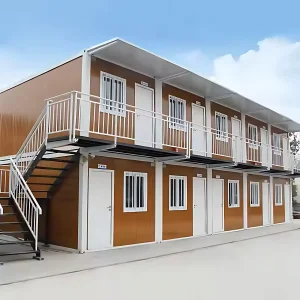
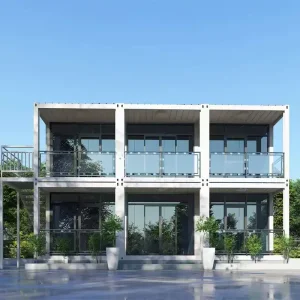
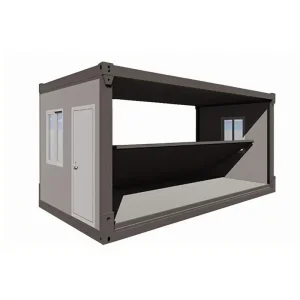
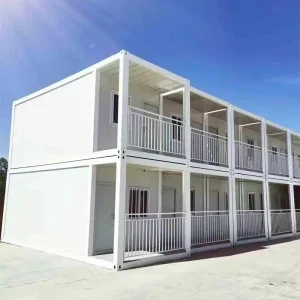
Norway is currently witnessing a paradigm shift in the construction industry. With the increasing demand for sustainable housing and the logistical challenges of building in remote fjords or mountainous regions, Expandable Container Houses have emerged as the premier solution. In cities like Stavanger, the oil and gas hub, and Tromsø, within the Arctic Circle, modular construction is no longer just an alternative—it is becoming the standard.
The industrial landscape in Norway demands efficiency. Conventional construction is often hindered by short summer windows and extreme winter weather. Our expandable units, designed for rapid deployment, circumvent these issues by moving 90% of the construction process to a controlled factory environment. This ensures that the high standards of Norwegian building codes (TEK17) are met with precision and speed.
Cost Reduction vs Traditional Build
Average On-site Setup Time
Energy Efficiency Rating Potential
Ideal for mining and energy projects in Northern Norway. These units offer superior insulation and can withstand heavy snow loads, providing a safe haven for workers in sub-zero temperatures.
Lofoten and the Western Fjords are seeing an influx of tourists. Our foldable homes allow for luxury cabin developments with minimal environmental footprint and breathtaking panoramic views.
With Norway's commitment to social welfare, these expandable units provide rapid solutions for student housing in Oslo or temporary resettlement after natural disasters like landslides.
Understanding the Pricelist in Norway requires more than just looking at the unit cost. While a standard 20ft expandable house may range between $15,000 to $25,000 depending on customization, Norwegian buyers must consider the "Total Cost of Ownership":
By choosing a factory-direct partner like Foshan Zhonghui, Norwegian businesses can save up to 50% compared to local traditional contractors, even after accounting for shipping and local permits.
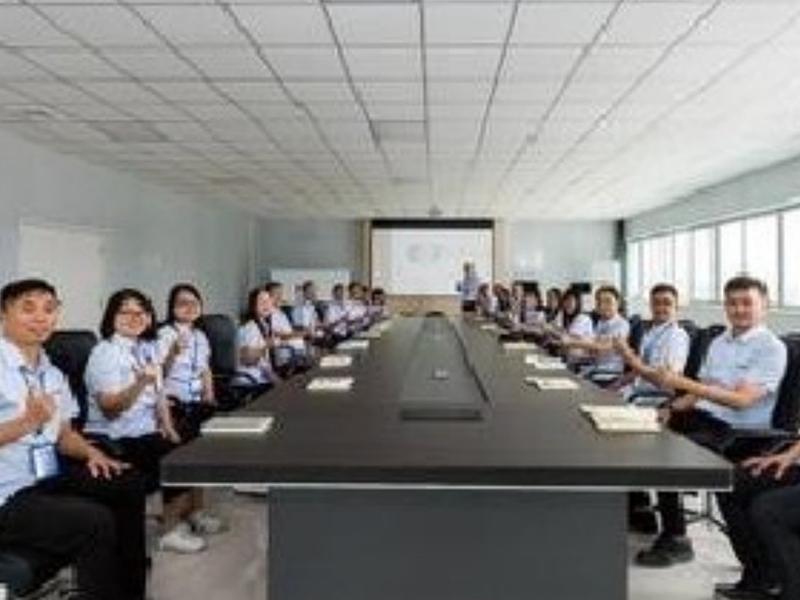
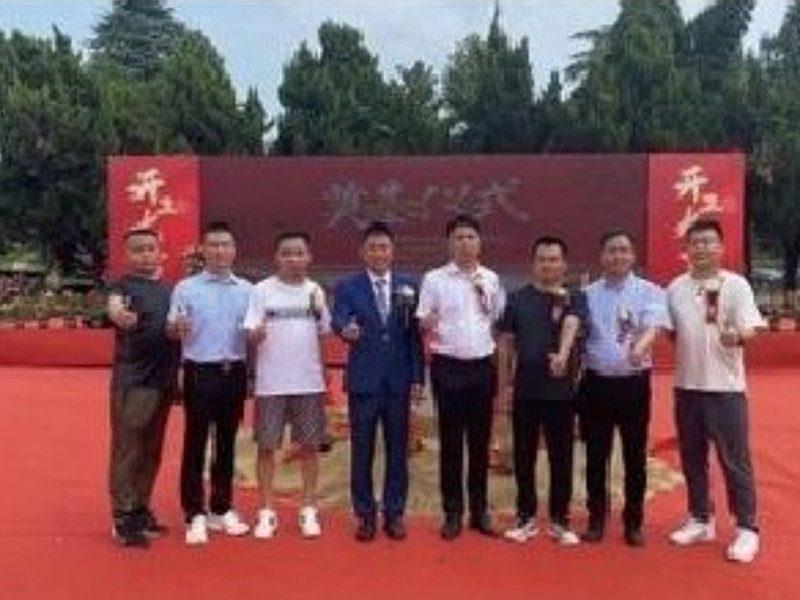
Foshan Zhonghui Green Building Integrated Housing Co., Ltd. is located in the heart of the Greater Bay Area. With 15 years of dedication, we have become a global leader in one-stop modular solutions. Our presence spans from Shanghai to Guangzhou, and now we are extending our reach into the Norwegian and Scandinavian markets.
 Continuous Innovation: 46+ Patents.
Expertise: 15 Years of R&D.
Global Logistics: Specialized for Nordic routes.
Continuous Innovation: 46+ Patents.
Expertise: 15 Years of R&D.
Global Logistics: Specialized for Nordic routes.
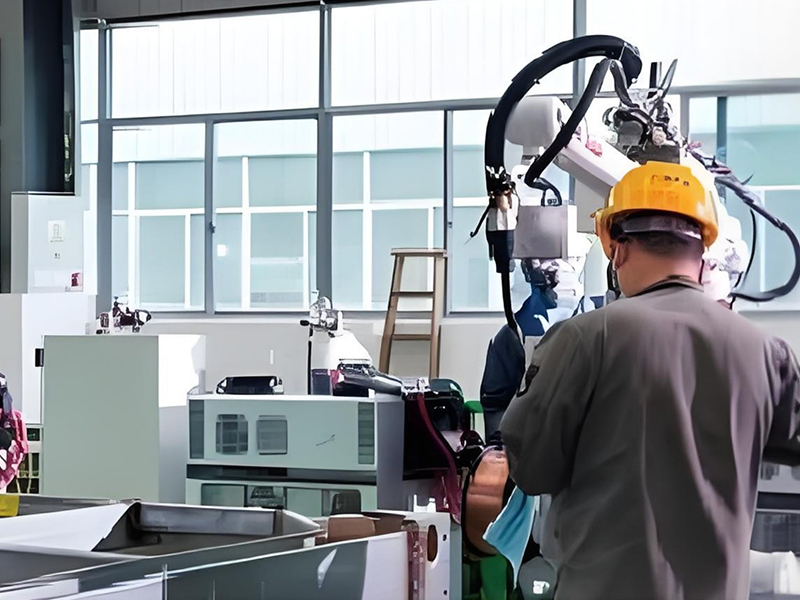
Zhonghui's production sea cloth spreads all over the world, with large-scale factories ensuring that every expandable unit destined for Norway undergoes rigorous quality control, including water-tightness tests and structural integrity audits for high wind zones.

As we look toward 2025-2030, several trends are defining the future of expandable homes in Norway:
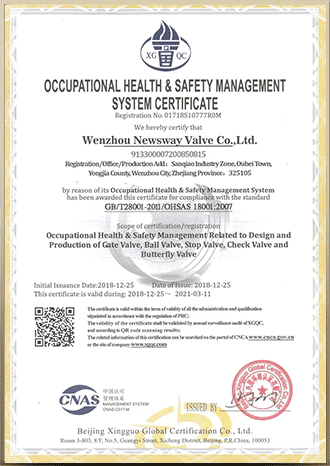
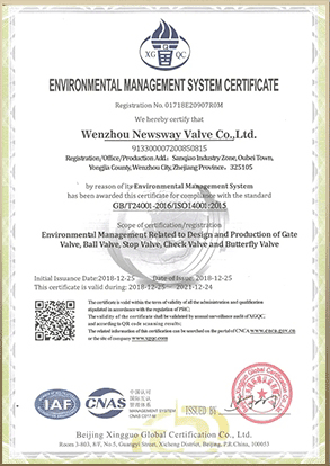
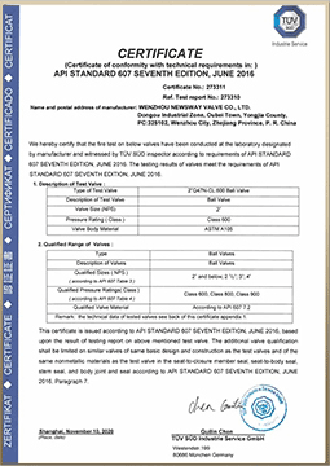
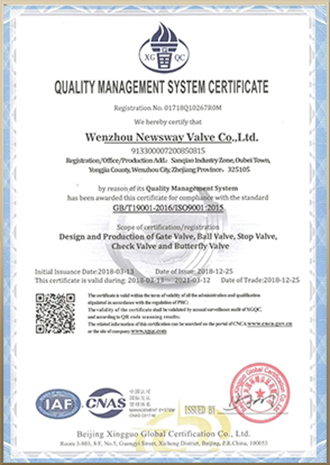
Meeting ISO, CE, and International Building Standards
 ZHONGHUI HOLDINGS