High-durability structures engineered for rapid installation and optimized thermal resilience in extreme seasonal environments.
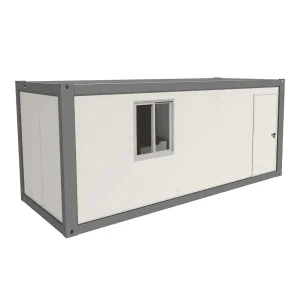
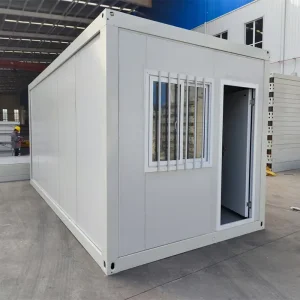
The construction and industrial landscape in North Korea—particularly within Special Economic Zones (SEZs) such as Rason, Sinuiju, and Kaesong, alongside remote mining and logistics hubs—increasingly demands rapid-deploy, highly insulated, and structural grade modular buildings. As traditional concrete construction processes face delays due to materials constraints, seasonal freezing temperatures, and localized logistics bottlenecks, modern flat pack container houses represent a logical evolution in physical infrastructure procurement.
Within these regions, the primary demand centers on functional administrative headquarters, temporary worker accommodation camps, logistics operations posts at critical border crossings, and emergency response housing. Given the harsh meteorological winters of the Korean Peninsula, where temperatures in the northern mountainous regions routinely drop below -20°C, traditional prefabricated panels often fail to deliver adequate thermal performance. Standard structural engineering for this market requires reinforced structural steel frames capable of carrying high snow loads, coupled with highly sophisticated multi-layer rock wool or polyurethane (PU) sandwich panels that prevent thermal bridging.
Furthermore, the localized regulatory context requires modular components to be transported via rail corridors (such as the Dandong-Sinuiju route) or shipped to East Coast ports (like Najin/Rason). Consequently, structural elements must be designed for dense cargo container packing (flat-packing) to optimize freight efficiency and minimize border logistics overheads.
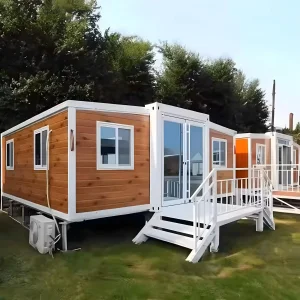
Foshan Zhonghui's flat pack container solutions are built with high-specification structural components designed to withstand environmental stress and heavy physical use. The foundational elements consist of:
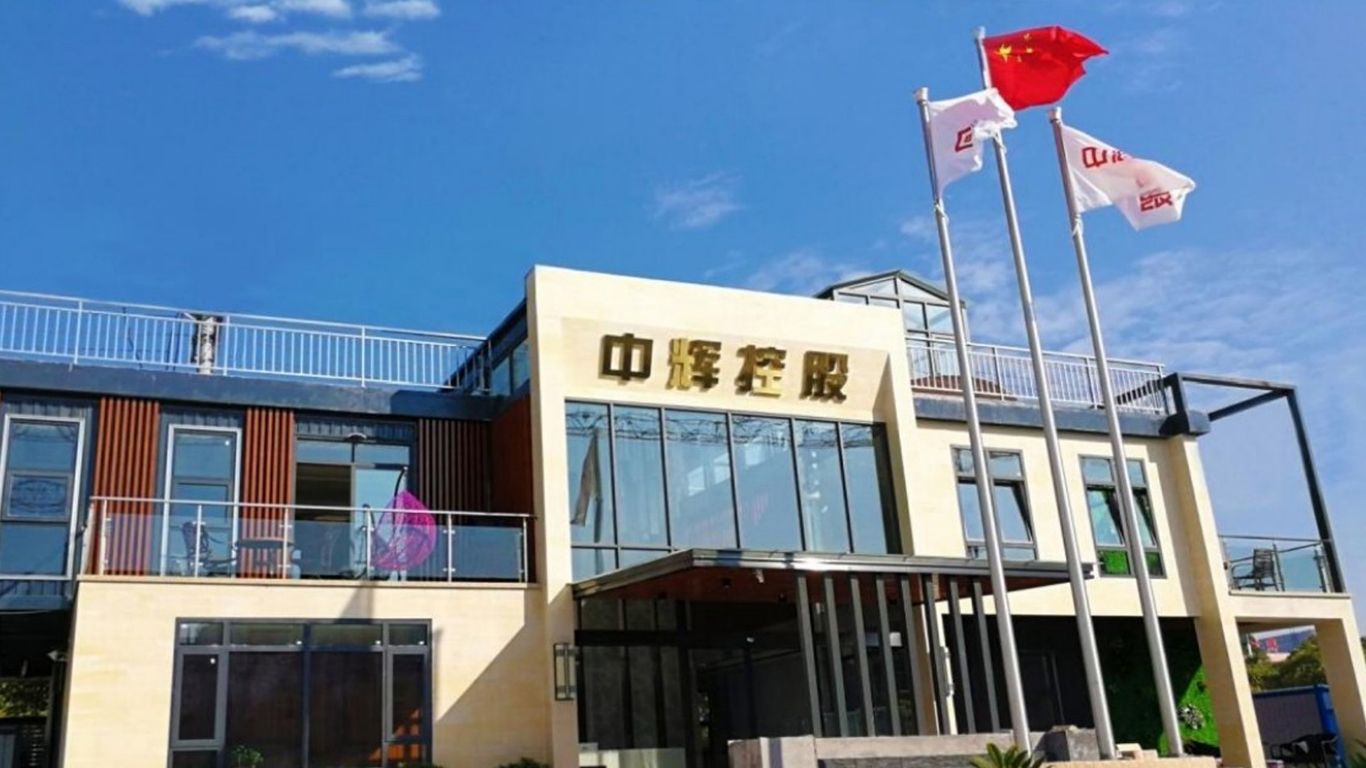
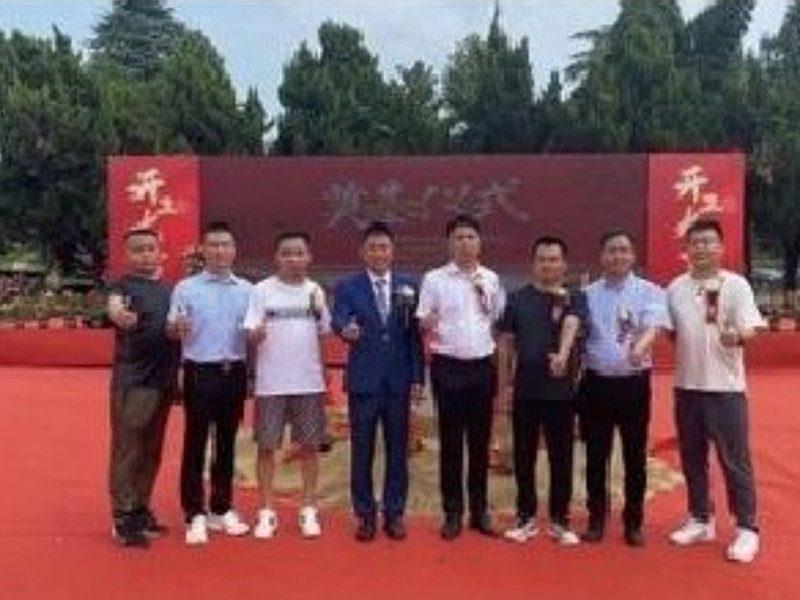
Foshan Zhonghui Green Building Integrated Housing Co., Ltd. (rooted in the strategic manufacturing nexus of the Guangdong-Hong Kong-Macao Greater Bay Area—Guangzhou & Foshan) is a comprehensive, state-of-the-art modular housing enterprise. The firm specializes in the full lifecycle of modular architecture, integrating R&D, structural design, automated precision manufacturing, global distribution networks, and localized installation consultation.
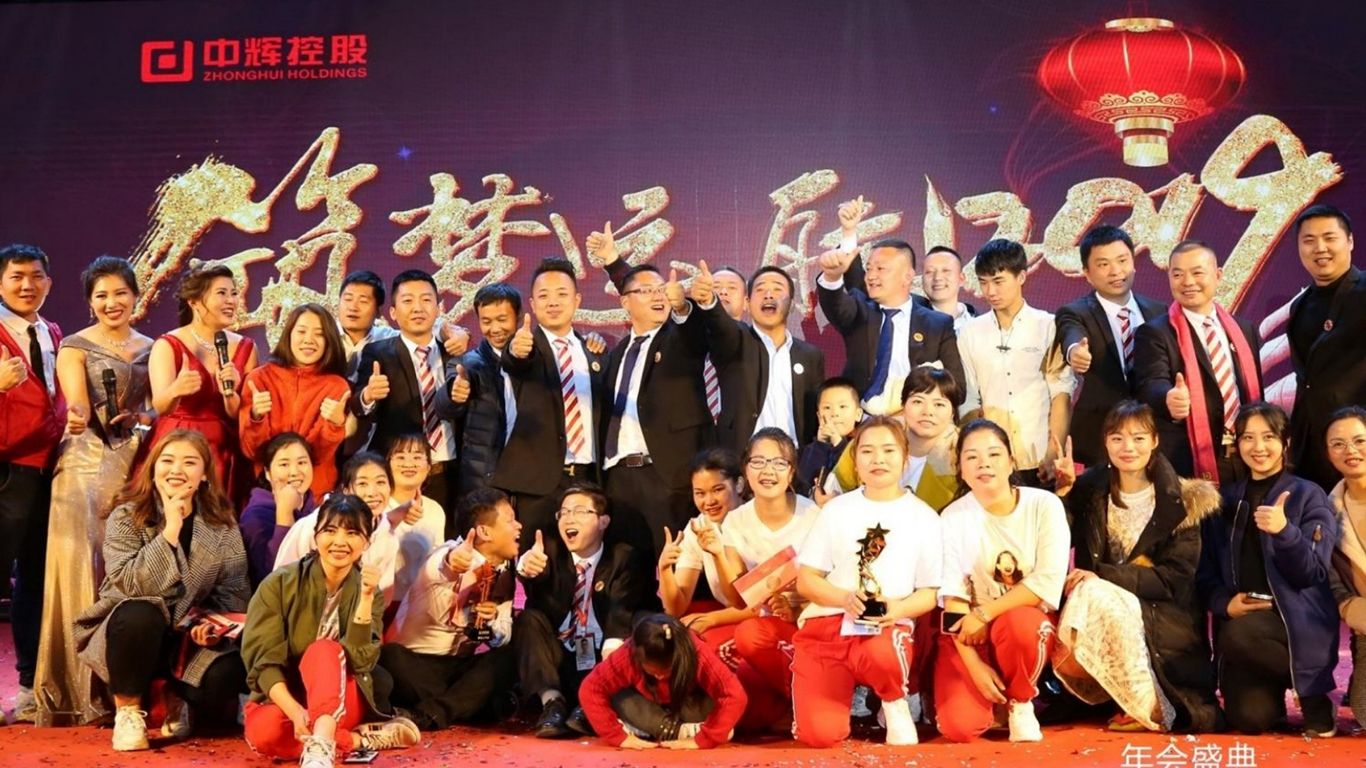
Over the course of 15 years, the founding team has developed an extensive intellectual property portfolio comprising 46 invention patents and utility model patents. Our products have earned national and international recognition, including the prestigious "Container Creativity Floater Award" and placement within the "Consumer Top Ten Official Love Brands." As an industry benchmark enterprise, Zhonghui has established a network of production bases and operations centers across China's major industrial hubs, including Shanghai, Hefei, Hangzhou, Nanjing, Suzhou, Fuzhou, Haikou, Sanya, Guangzhou, Shenzhen, Foshan, and Chongqing. This decentralized production strategy ensures rapid supply chain scaling, low transport overheads, and reliable delivery for cross-border projects.
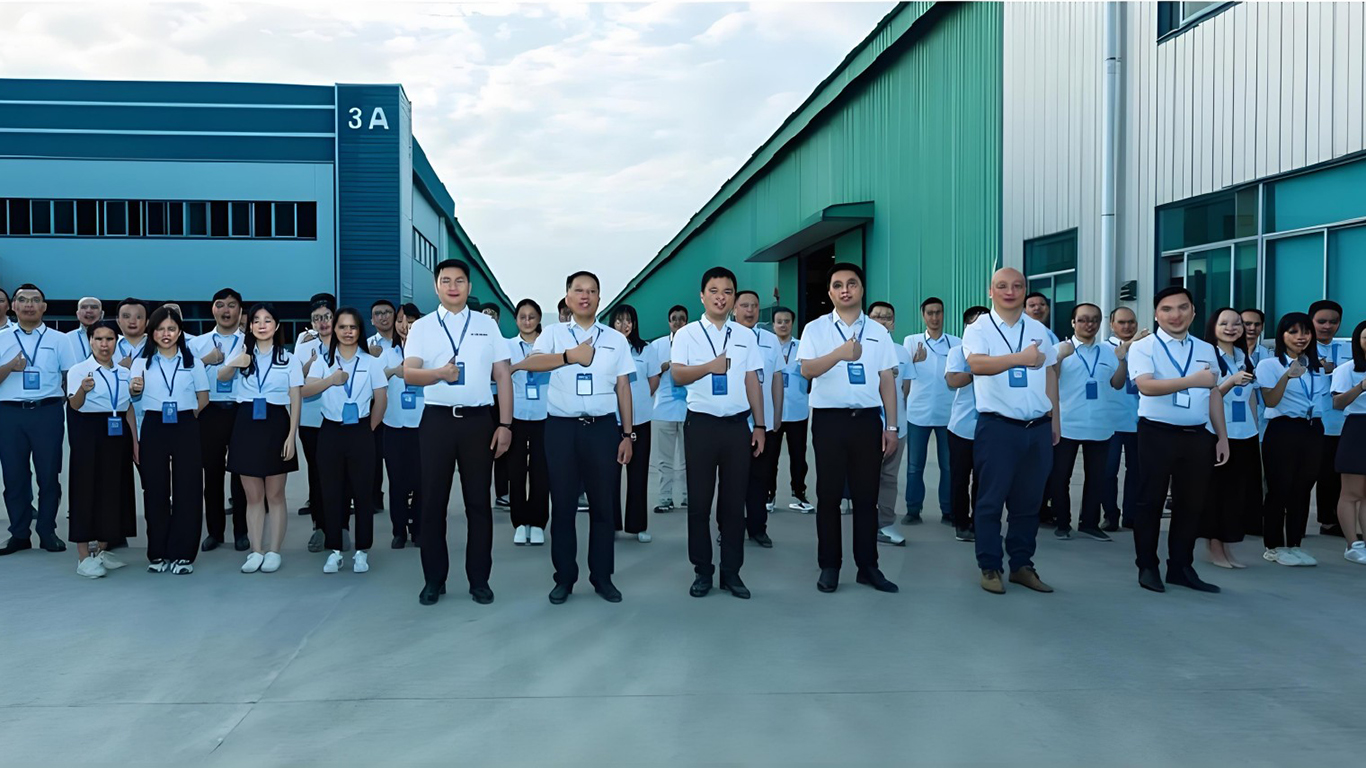
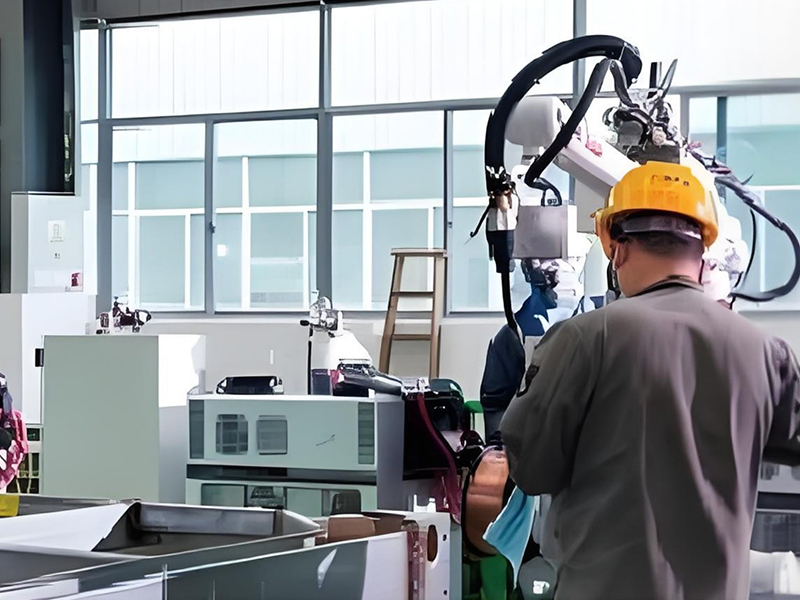
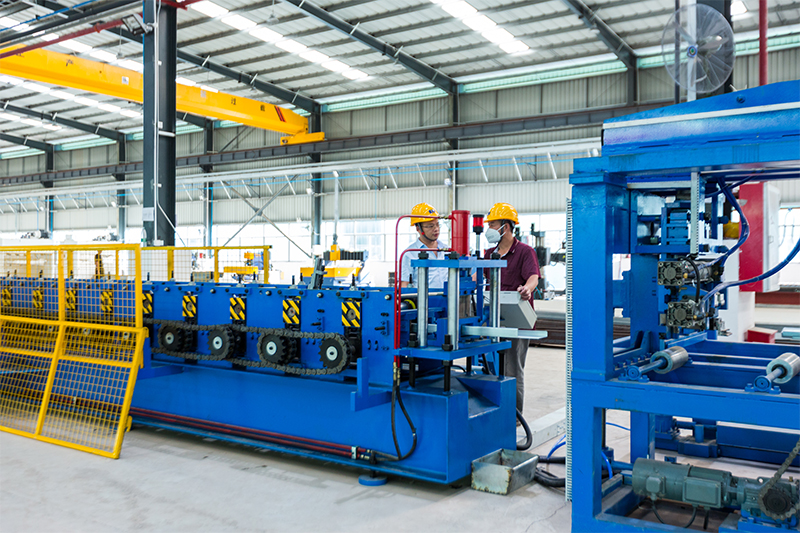
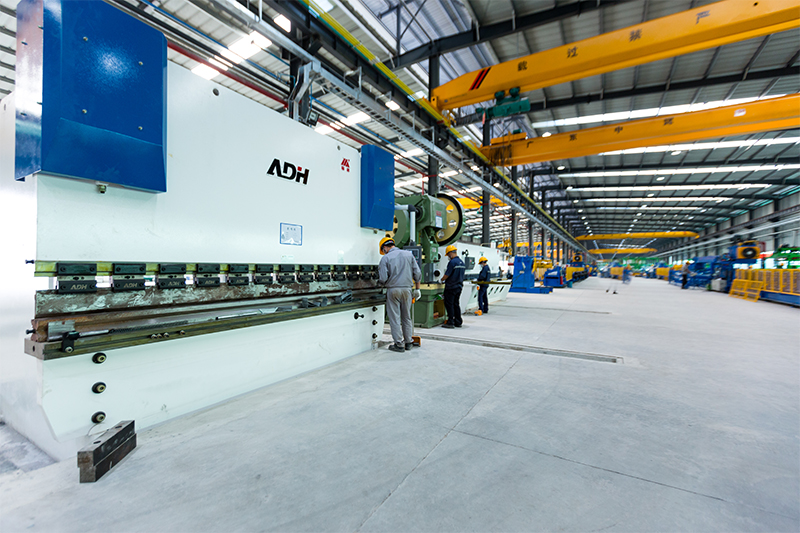
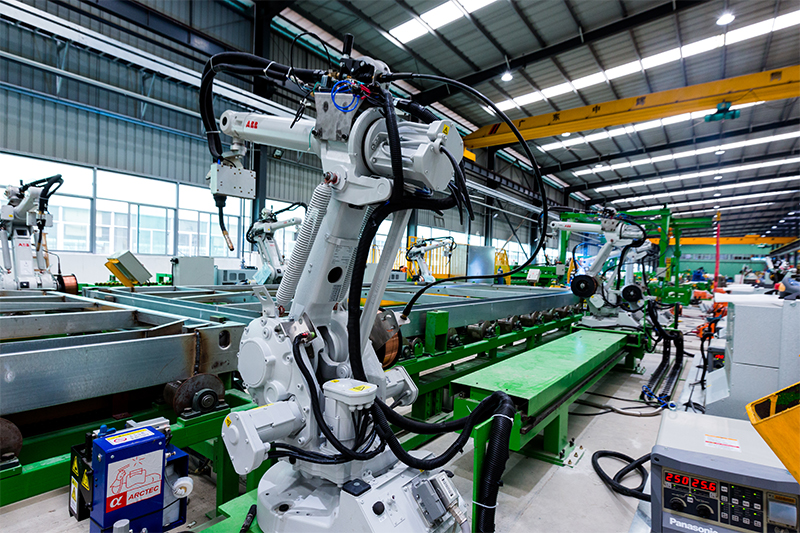
State-of-the-art production facility delivering ISO-certified structural panels and precision-engineered frames.
A primary advantage of sourcing flat pack container houses from China is the physical connection between Chinese manufacturing clusters and the North Korean market. As a certified Chinese manufacturer, Foshan Zhonghui coordinates logistics routes that connect our factories directly to key border crossing points:
The Dandong-Sinuiju Railway Corridor: Flat pack components are securely consolidated, strapped, and loaded onto shipping containers at our Guangdong factory. They are then transported north via standard domestic rail links or trucking corridors directly to the Dandong logistics yards. Following customs clearance, cargo is moved across the Sino-Korean Friendship Bridge to Sinuiju for distribution to local development sites.
Maritime Shipping Routes (Najin, Rason, & Nampo Ports): For large-scale coastal infrastructure developments, we organize bulk container shipping out of major Southern ports (e.g., Guangzhou, Shenzhen) directly to Nampo Port on the West Coast, or Najin/Rason on the East Coast. This approach allows high-volume shipping while minimizing per-unit transit costs.
Because flat pack modular designs stack tightly (four packed units equal the footprint of one standard 20ft shipping container), transport volume is reduced by up to 75% compared to assembled containers. This significantly lowers cross-border logistics costs and simplifies customs processes.
Different applications require distinct modifications to standard designs. Standard models can be customized with these features for projects in North Korea:

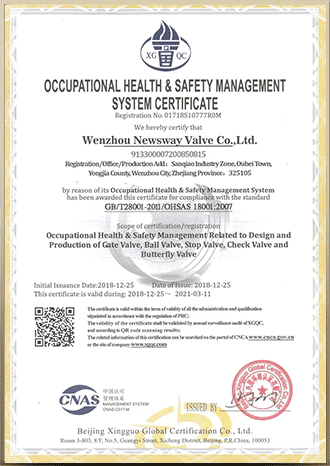
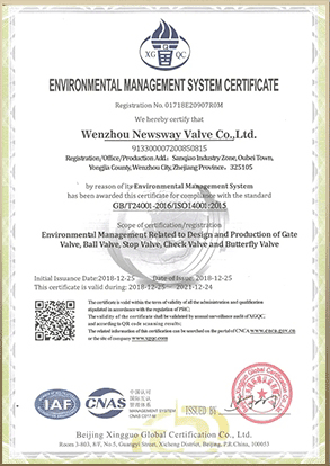
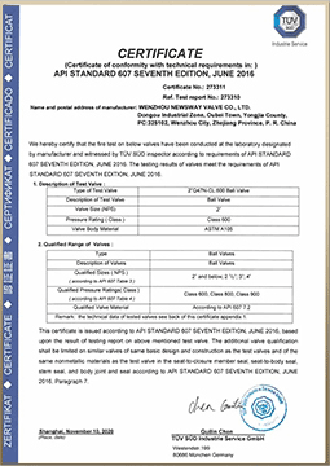
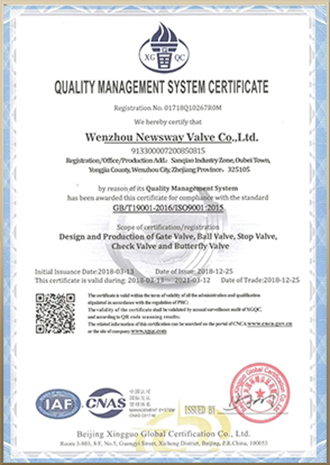
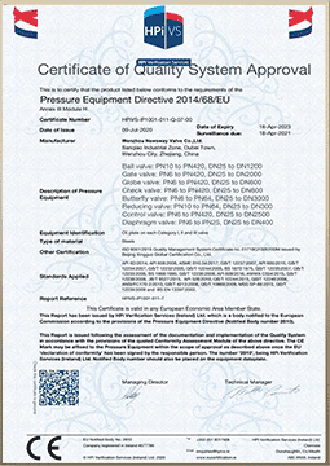
We maintain a rigorous quality assurance protocol backed by international building safety certifications and key logistics partners.






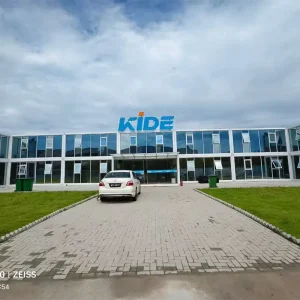
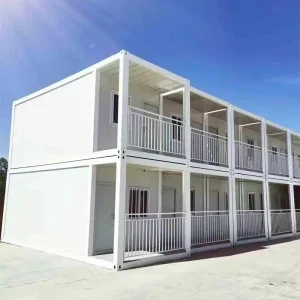
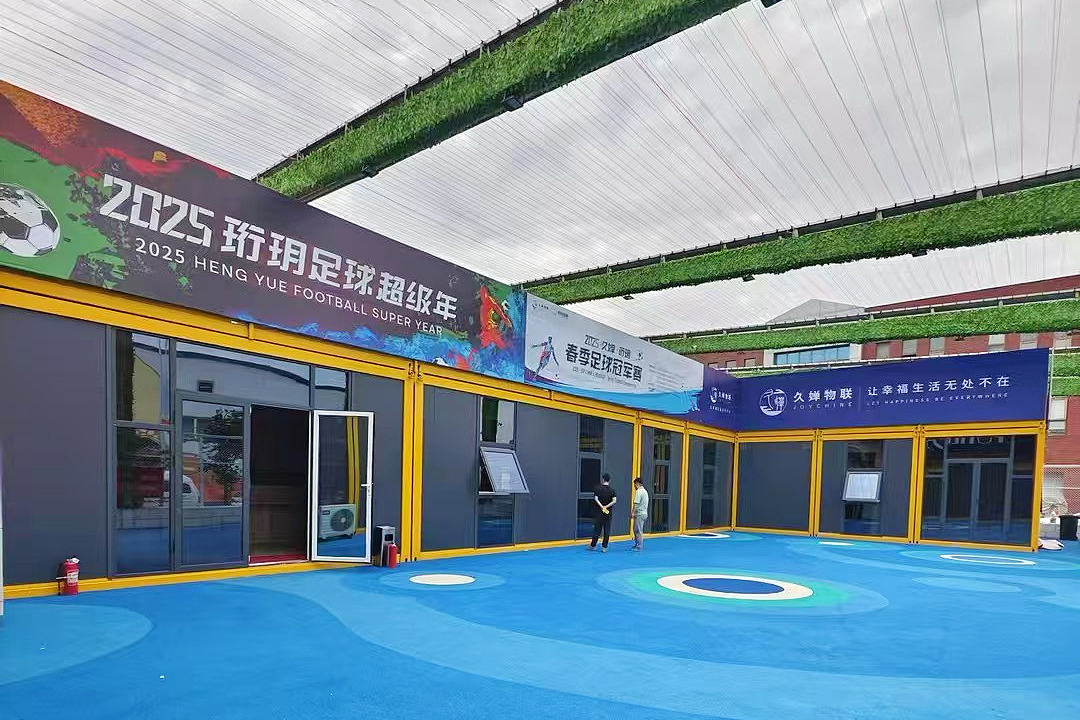
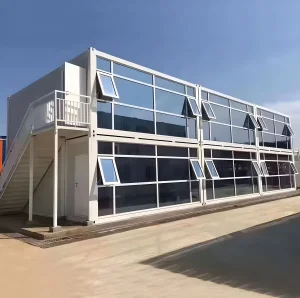
An example of our multi-unit modular integration is the Modular Football Club Complex project. This development highlights the architectural versatility of our product line. It was constructed by connecting 20ft and 40ft detachable flat pack units side-by-side and stacking them two stories high.
The ground level provides space for team locker rooms, sanitary installations, equipment storage, and medical rehabilitation zones, using reinforced flooring to handle high-traffic use. The second level features a glass-curtain administration floor, a VIP press lounge, and viewing galleries. The structure uses customized exterior panels and double-layer roof components to deliver reliable thermal performance, showing that prefabricated flat pack units can provide complex, multi-story sports and community spaces.
When establishing procurement contracts for the North Korean trade market, corporate buyers need to consider several pricing and logistics structures to balance speed and cost-effectiveness:
FOB Qingdao/Dalian or CIF Nampo Port: Most international orders are priced on FOB terms at major Chinese shipping ports, or CIF at local destination ports. This lets buyers choose their own logistics partners or use Zhonghui's consolidated shipping networks.
Escrow & Structured Milestones: Standard commercial transactions use a deposit payment structure (typically 30% down payment for manufacturing allocation, and 70% balance settled upon presenting the ocean bill of lading or border delivery receipts). This protects capital while maintaining steady production lines.
Material Quality Verification: Detailed quality checklists are provided prior to shipment, specifying structural frame dimensions, steel thickness, insulation panel density, and the compliance of integrated electrical wiring. This guarantees that delivered materials match project requirements exactly, preventing post-delivery delays.
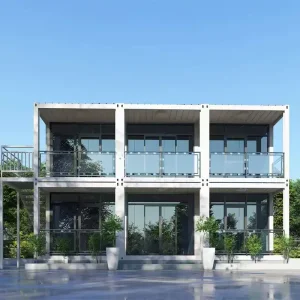
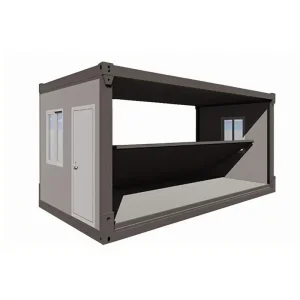
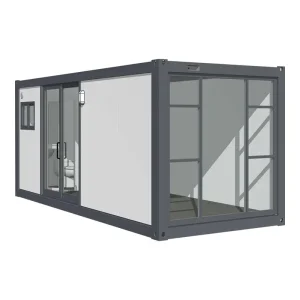
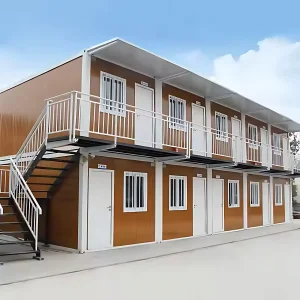
Select from our range of modular solutions, including rapid folding systems and high-end double-story living spaces.
Key technical, logistics, and commercial answers for developers planning modular installations in North Korea.
Get in touch with our commercial engineering team for detailed technical layouts, manufacturing schedules, and competitive cross-border quotes.
Send Inquiry Now ZHONGHUI HOLDINGS